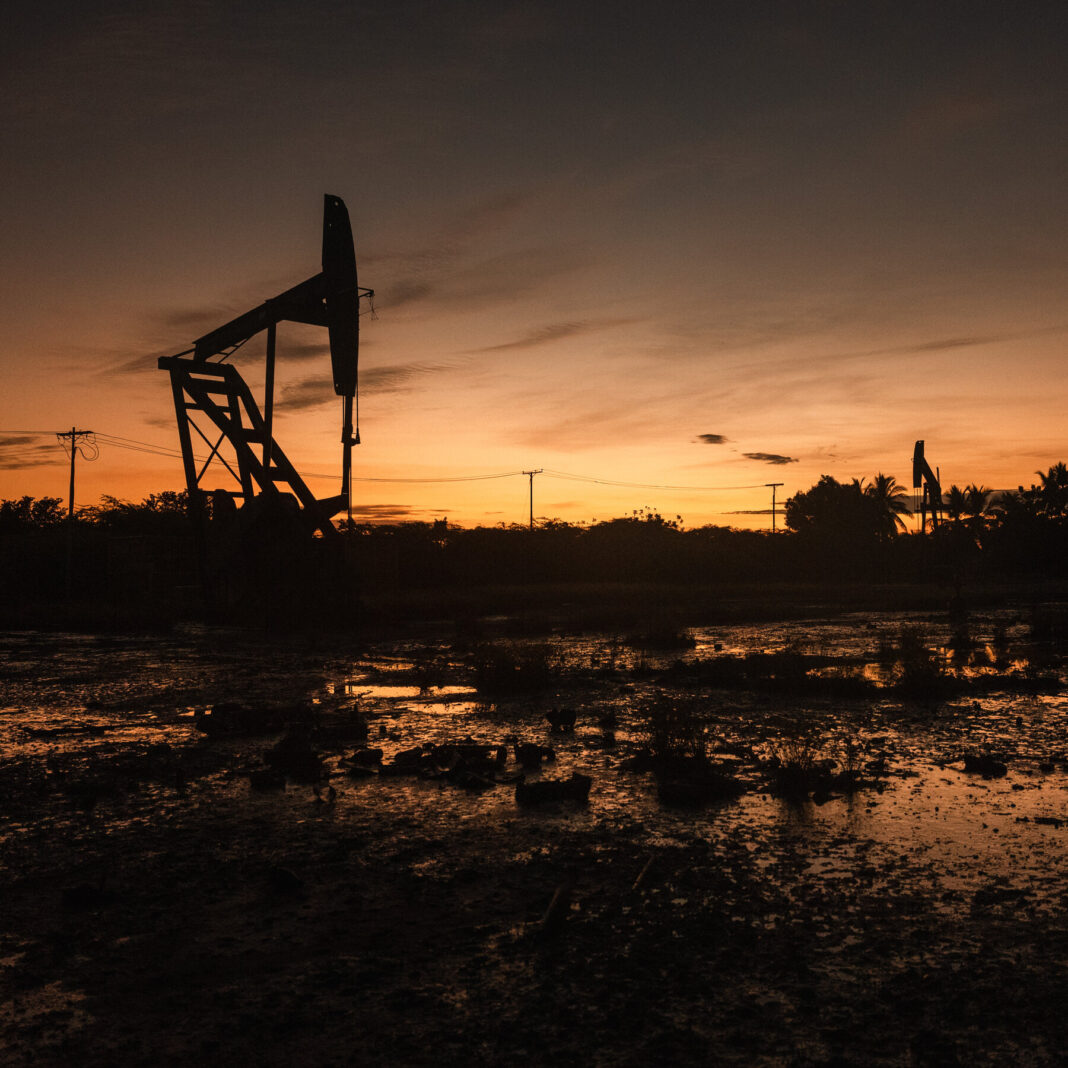
The Pentagon’s Office of Strategic Capital is playing a central role in President Trump’s new oil agreement with Venezuela. The office, originally created under the Biden administration to provide loans for the U.S. defense industrial base, has shifted its focus to support the deal.
Officials confirm the office is now directing financial resources toward the Venezuelan oil sector. The move marks a significant change in how the military’s investment arm operates.
The Trump administration has framed the deal as a way to stabilize global energy markets. It also aims to reduce U.S. reliance on other foreign oil suppliers.
The Office of Strategic Capital was designed to fund critical technologies and supply chains. Its involvement in oil marks a departure from its original mission.
Critics question whether the Pentagon should be investing in foreign energy assets. Some lawmakers argue the office lacks clear authority for such ventures.
Supporters say the deal strengthens U.S. economic leverage in Latin America. They also point to potential benefits for domestic energy security.
The office’s loans are meant to be repaid with interest, offering a financial return. However, the risk profile of Venezuelan investments remains high.
This is not the first time the U.S. military has engaged in economic diplomacy. But the scale of this operation is unusual for the Pentagon.
Details of the arrangement are still emerging, and officials have not released full terms. Transparency will likely become a point of contention in coming weeks.
The deal’s impact on Venezuela’s government remains unclear. Washington has long pressured the Maduro regime, and this move signals a pragmatic shift.
For the defense industry, the office’s expanded role could open new funding avenues. Still, the precedent raises questions about mission creep.
As the plan moves forward, Congress will likely scrutinize the agency’s budget and legal boundaries. The outcome could reshape how the Pentagon uses its financial tools.