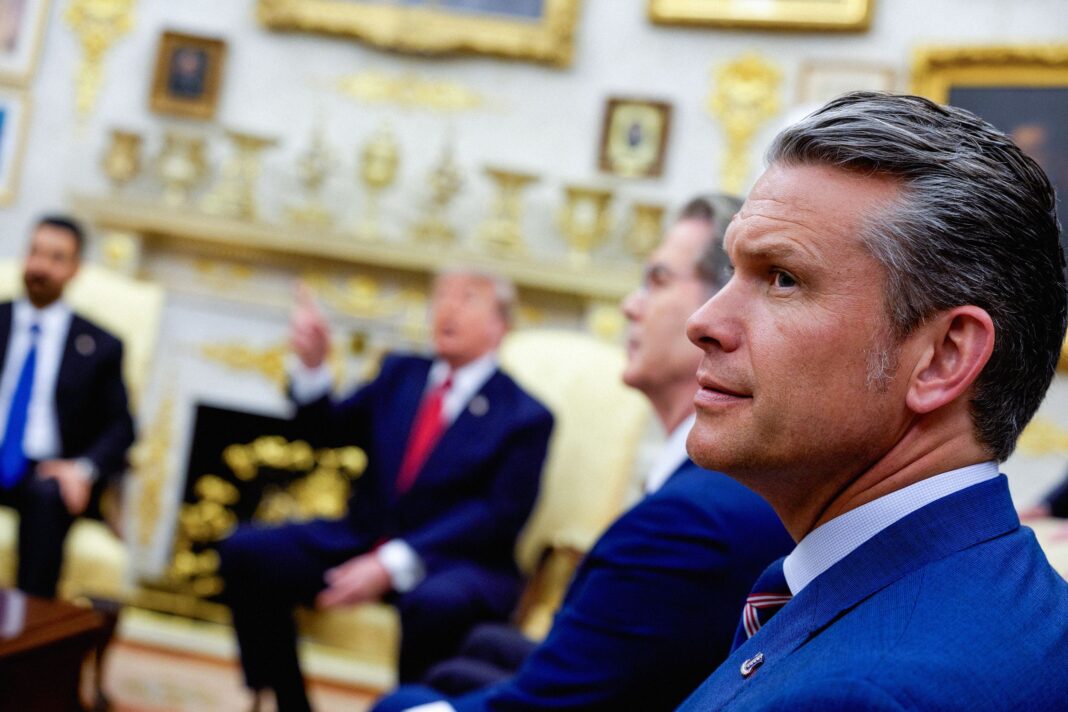
Pete Hegseth’s proposal to administer testosterone therapy to U.S. troops has sparked controversy. The defense secretary’s plan hinges on a concept called “High T” troops. Critics argue it shows a fundamental misunderstanding of hormone science.
The idea suggests boosting testosterone levels to enhance military performance. Hormones, however, are complex biological regulators. Their effects depend on balance, dosage, and individual health factors.
Junk science often oversimplifies these interactions. Testosterone therapy carries known risks, including cardiovascular issues and mood instability. Unsuperced use could harm service members rather than help them.
The military already faces strict medical standards for personnel. Introducing hormone treatments without robust evidence could undermine readiness. Experts emphasize that performance depends on training, nutrition, and rest—not a single hormone.
Hegseth’s background includes advocacy for alternative health approaches. His plan lacks support from mainstream medical research. The Department of Defense has not endorsed such a program.
Some supporters point to anecdotal claims of improved vigor. But large-scale studies do not confirm these benefits for healthy individuals. Military doctors warn against untested interventions in a combat context.
The proposal reflects a broader trend of prioritizing quick fixes over proven strategies. Maintaining troop readiness requires careful medical oversight. Hormone therapy is not a substitute for comprehensive health programs.
In summary, Hegseth’s “High T” plan appears disconnected from scientific reality. The defense community urges evidence-based policies instead. Service members deserve solutions grounded in fact, not fever dreams.