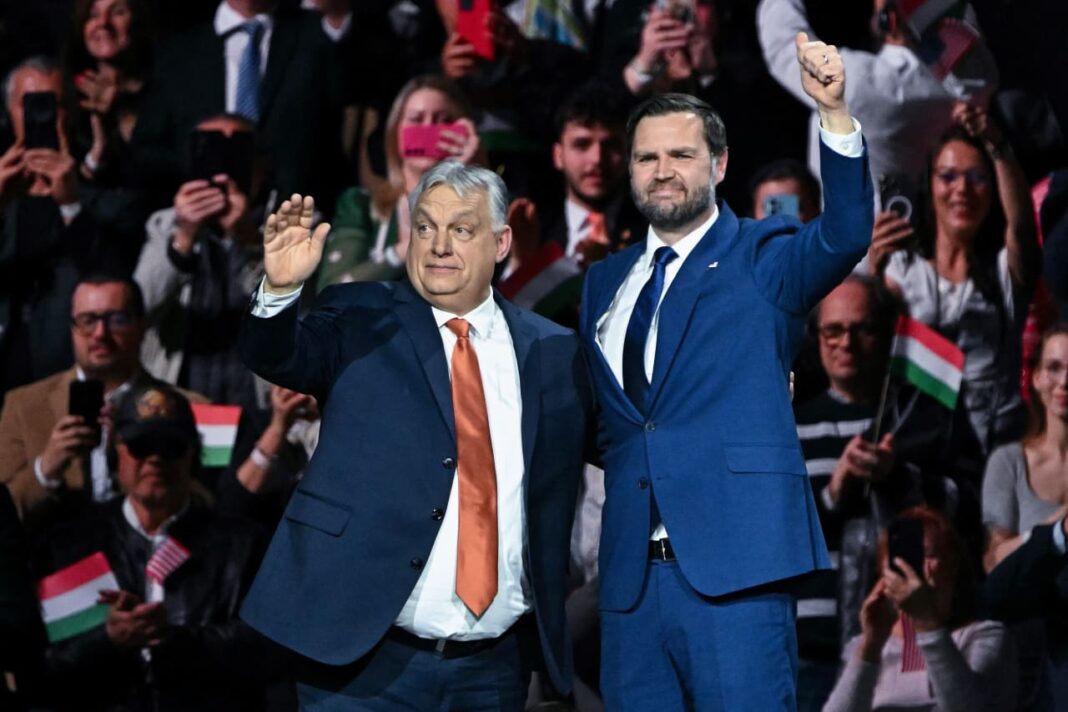
A recent electoral setback for populism in Hungary may not signal its broader decline. One strategist contends the defeat of Prime Minister Viktor Orban’s party is an exception, not a rule.
The analyst suggests the ongoing conflict involving Iran will ultimately strengthen populist movements globally. This war is seen as a catalyst for profound geopolitical and economic shifts.
These changes are predicted to include a sustained retreat from globalization. Nations are expected to turn inward, prioritizing domestic control over international cooperation.
Concurrently, a significant expansion of state power and intervention in economies is forecast. Governments may assume a larger role in directing industry and national resources.
This new environment is also likely to entrench persistent inflationary pressures. The strategist argues that the structural drivers of higher prices will become locked in.
The analysis presents Orban’s loss as a temporary stumble within a longer-term trend. Global instability, rather than domestic politics, is viewed as the primary engine for populism’s resilience.
Therefore, while populism lost a battle in Hungary, the strategist concludes it remains positioned to win the wider war. The coming geopolitical era is expected to favor its core tenets.