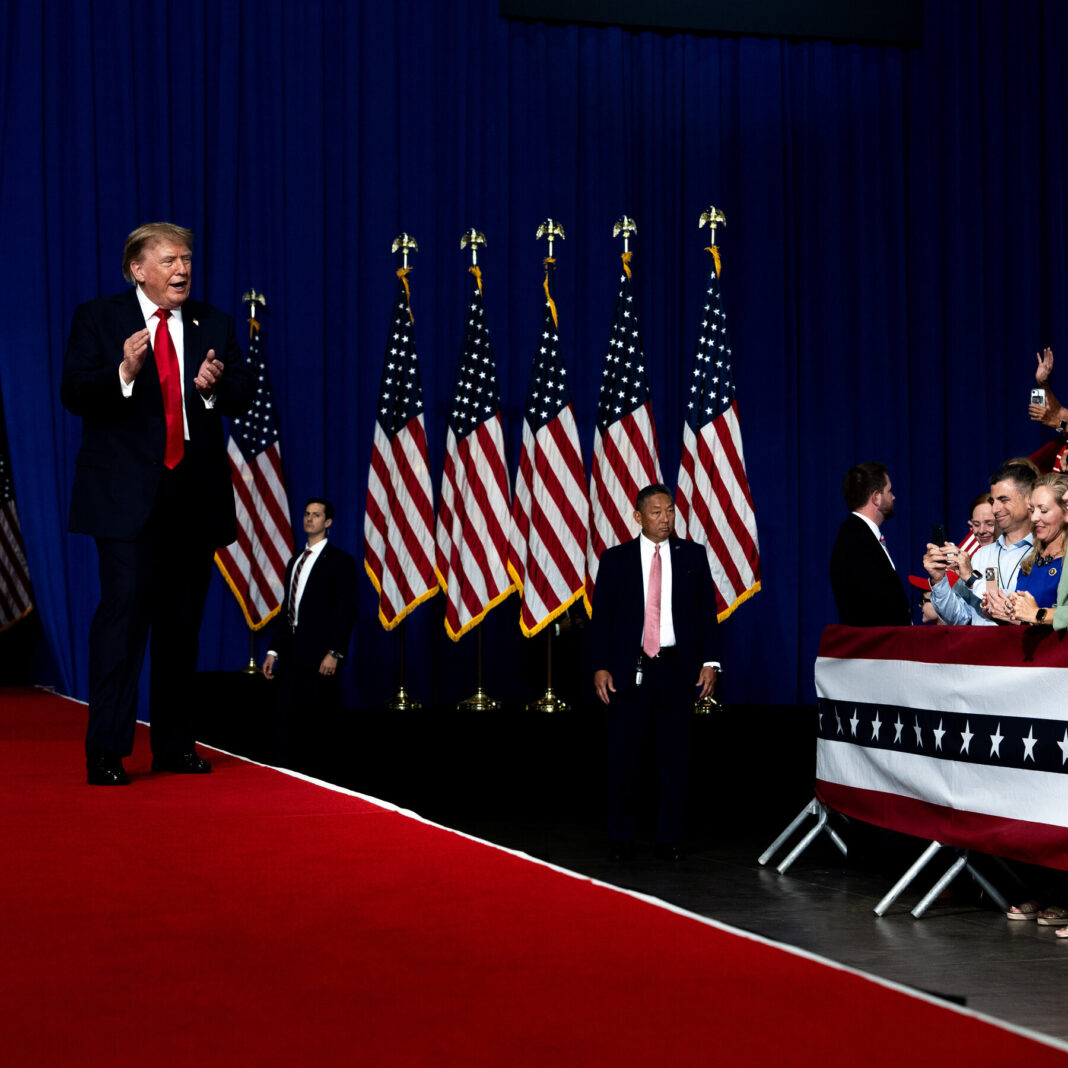
As the midterm elections draw closer, Republican lawmakers find themselves unable to distance themselves from former President Donald Trump. His ongoing influence over the party’s strategy, messaging, and financial flows has created a challenging environment for candidates on the campaign trail. Many incumbents are attempting to navigate a political landscape shaped by his persistent presence, even as his approval ratings falter among key voter blocs.
The former president’s approach to the election cycle remains a central factor for the party’s prospects. His public statements and endorsed candidates continue to dominate headlines, pulling attention away from local issues that GOP members hoped to emphasize. This dynamic has forced many Republicans into a defensive posture, responding to questions about loyalty rather than policy achievements.
Campaign spending tied to Trump-aligned political action committees has also redirected resources in ways that complicate broader party efforts. Some fundraising dollars are flowing into contentious primary races, leaving less available for general election contests in battleground states. This allocation has sparked private concerns among strategists about the party’s ability to compete where it matters most.
Lawmakers are now weighing their options as they try to outrun the political headwinds created by the former president’s sagging popularity. For some, the strategy involves highlighting their own records and local connections, hoping to appeal to moderate voters without provoking a backlash from the GOP base. Others have chosen to embrace Trump more openly, betting that his supporters remain the decisive force in their districts.
Recent polling data suggests that independent voters are growing wary of the former president’s continued role in party affairs. This trend poses a significant risk in suburban areas, where Republican candidates previously found success by focusing on economic issues and public safety. The challenge now lies in crafting a message that resonates without alienating either side of the party’s internal divide.
Democratic opponents have taken notice, using Trump’s shadow to frame Republican challengers as extensions of his agenda. Campaign ads and debate questions frequently tie local candidates to national controversies, forcing them to clarify their positions on issues they would rather avoid. This tactical pressure has put many GOP offices on the back foot, scrambling to recalibrate their public messaging.
The coming weeks will test whether Republican candidates can establish enough separation from the former president to appeal to a broader electorate. Party leaders acknowledge that there is no simple solution, as the base’s enthusiasm remains closely linked to Trump’s political fortunes. Any misstep could either depress turnout among loyal supporters or drive away undecided voters in critical races.
For now, the mood among many Republican strategists reflects a cautious optimism mixed with significant uncertainty. They point to historical trends that favor the opposition party during midterms, but recognize that this cycle carries unique complications. The outcome may hinge on whether voters view the election as a referendum on the current administration or on the former president’s lasting imprint on the GOP.
As early voting begins in several states, the party’s path forward remains unclear. Trump has shown no signs of stepping back, and his appetite for the spotlight continues to shape national discourse. Republican lawmakers must therefore decide how loudly to echo his voice, knowing that every choice carries electoral consequences. The next few months will reveal whether the party can overcome this internal tension or remain trapped by its most prominent figure.