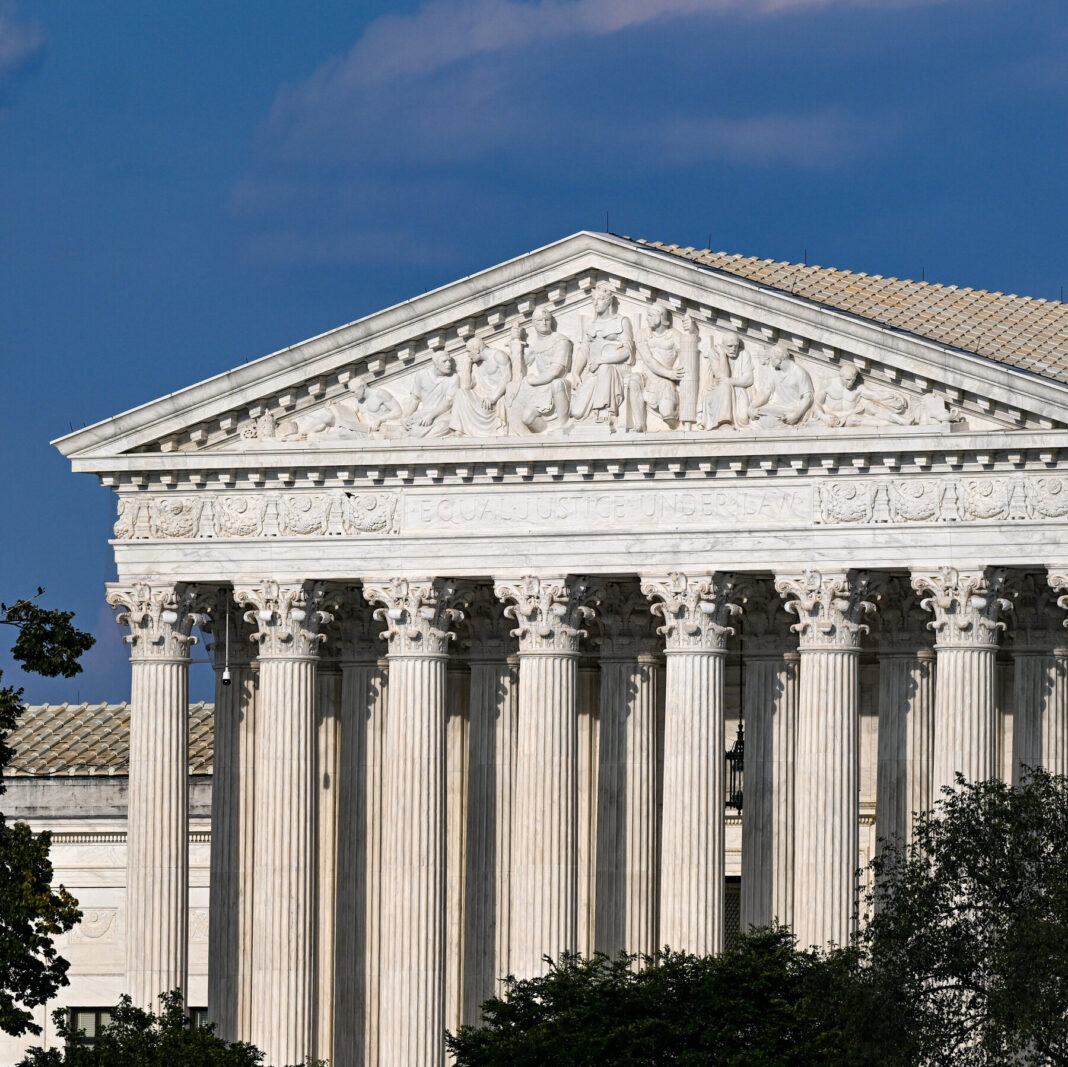
The Trump administration has again asked the Supreme Court to permit stricter rules on mail-in voting. The filing places the legality of the president’s push for those limits directly before the justices. This request arrives as states begin distributing ballots for upcoming elections.
The administration’s legal team submitted the emergency appeal on Saturday. The move seeks to overturn lower court rulings that blocked the restrictions. Those rulings had prevented new identification requirements and shorter return deadlines from taking effect.
State officials in several jurisdictions have warned that changing voting procedures now could create confusion. Election administrators argue that ballots are already being printed and mailed. They say sudden rule alterations risk disenfranchising voters who follow existing guidance.
Supporters of the restrictions contend that they are necessary to secure election integrity. They point to concerns about fraud and chain-of-custody issues with absentee ballots. The administration has repeatedly stated that these measures are common-sense safeguards.
Opponents counter that the rules disproportionately affect minority and low-income voters. Civil rights groups have filed briefs urging the Court to reject the administration’s request. They argue that no evidence of widespread fraud has been presented to justify the changes.
The Supreme Court has previously weighed in on election-related disputes during this cycle. Its decisions have varied, sometimes allowing restrictions and other times blocking them. The justices have generally expressed reluctance to alter rules close to an election.
Legal experts note that the Court’s response could set a precedent for how voting disputes are handled this year. A ruling in favor of the administration might encourage similar challenges in other states. A denial could signal that courts will maintain the status quo.
The justices have not indicated when they will rule on the emergency request. With ballots already moving through the mail system, time is a critical factor. A decision is expected within days.