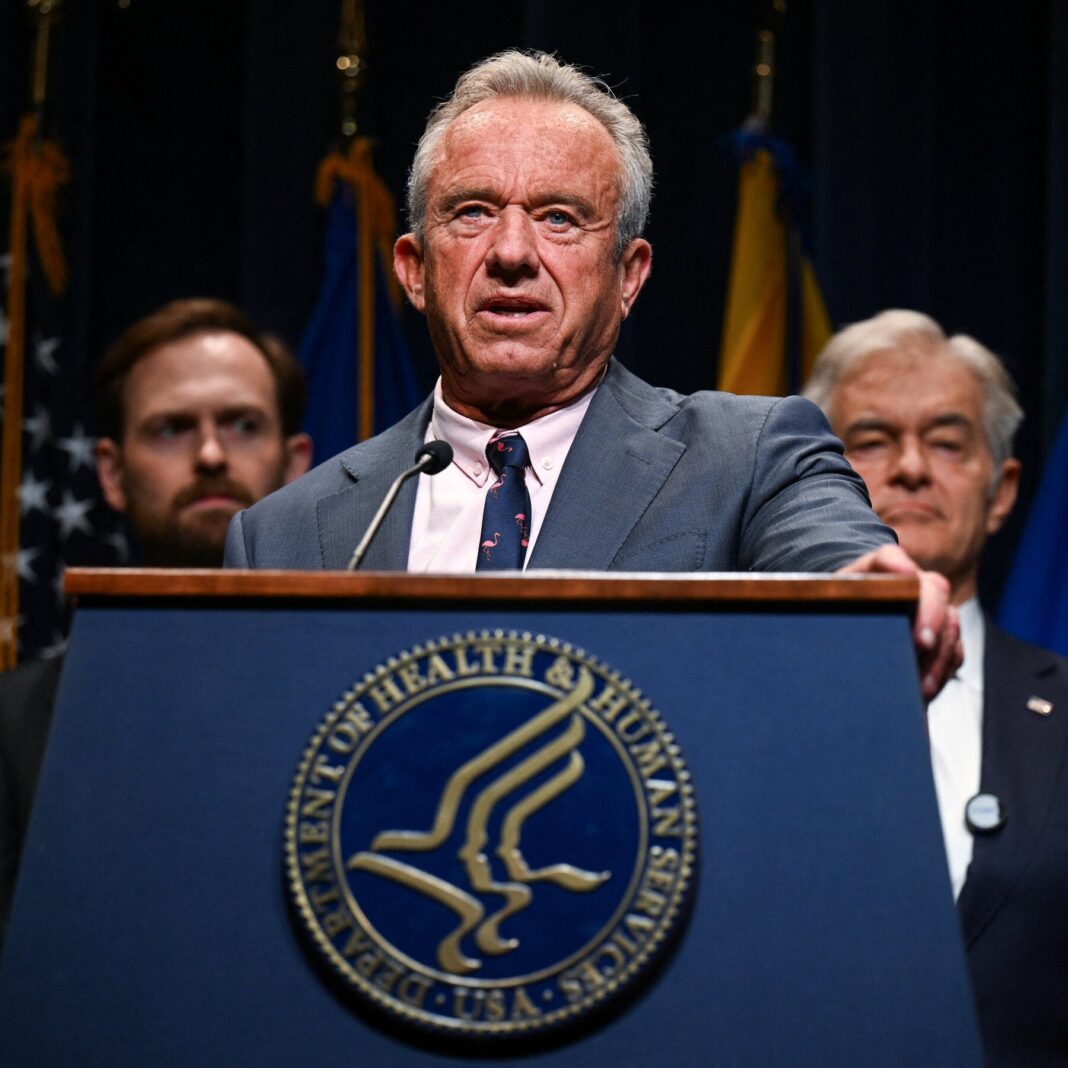
Robert F. Kennedy Jr. promised to support the goals of an anti-vaccine group before taking office. As health secretary, he is now taking quiet steps to advance those goals. Public health experts warn the moves could lower immunization rates further.
Kennedy has directed federal health agencies to review vaccine safety data with new scrutiny. The review focuses on claims long rejected by mainstream science. Agency staff describe the process as unusual and politically driven.
The Department of Health and Human Services has delayed updates to several vaccine recommendations. Advisory committee meetings have been postponed or restructured. Critics say the delays create confusion for doctors and patients.
Kennedy has also elevated officials with known vaccine skepticism. Several career scientists have left or been reassigned. Their departures weaken the agencies tasked with monitoring vaccine safety.
The changes come as childhood vaccination rates already decline in many states. Measles outbreaks have appeared in communities with low coverage. Health officials fear further drops will lead to more preventable illness.
Kennedy’s allies say he is simply asking questions and promoting transparency. They argue that vaccine policy deserves fresh debate. Most medical groups reject that framing and call the actions dangerous.
Legal experts note that Kennedy cannot ban vaccines outright. But he can reshape guidance, funding, and messaging. Those tools may prove just as effective at reducing uptake.
The long-term impact remains uncertain. What is clear is that Kennedy is using his office to push an agenda he once promised to pursue.