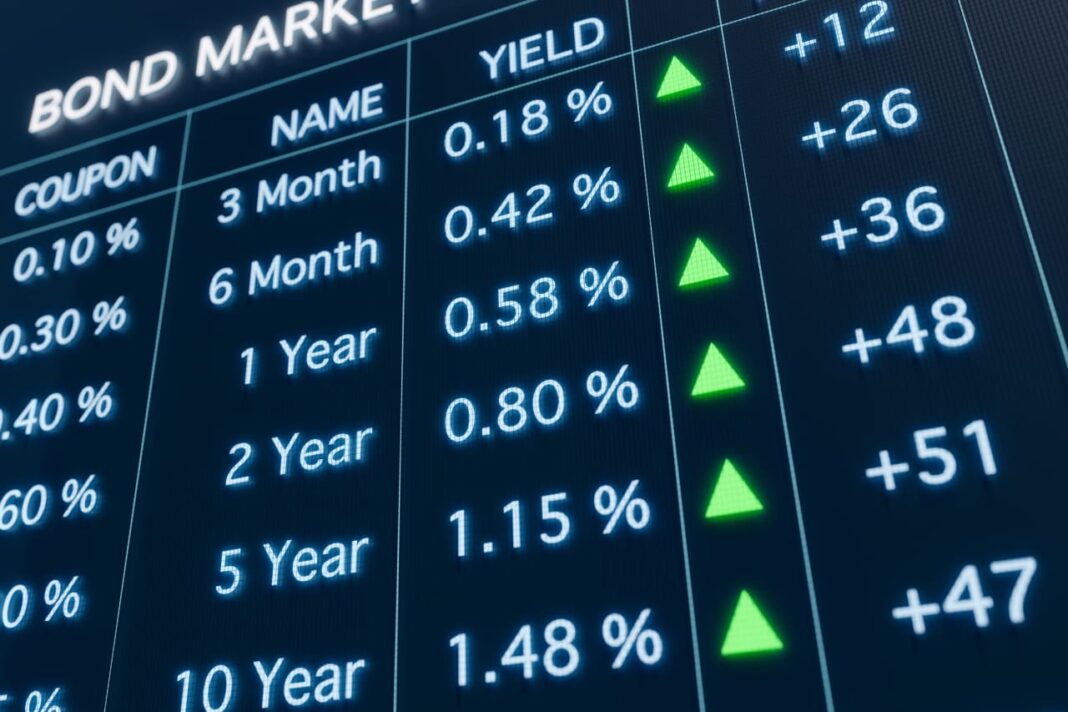
Rising interest rates are emerging as a significant risk to stock prices and a broad range of financial assets. The threat stems from higher borrowing costs that can slow economic growth and reduce corporate profits. Investors are now assessing how these conditions may reset market valuations.
The phenomenon, referred to by some analysts as “Bondmageddon,” describes a sharp repricing in the bond market. As yields rise, the appeal of fixed-income investments grows relative to equities. This shift draws capital away from stocks and pressures their valuations.
Higher rates also increase the discount rate used to value future earnings. For growth companies, which rely on distant cash flows, the impact is typically more severe. Technology and other high-multiple sectors may face the largest adjustments.
Other assets, including real estate and commodities, are not immune to the effects. Mortgage and financing costs rise with yields, cooling demand in property markets. Borrowing-dependent industries generally see reduced activity as capital becomes more expensive.
Central banks are driving these changes as they combat persistent inflation. Their policy decisions signal that rates will remain elevated for an extended period. Markets are slowly adjusting to this new reality after years of low-rate conditions.
Investors are watching key economic data for clues about future central bank actions. Volatility is expected to remain high as forecasts shift with each new report. Portfolio strategies are being reconsidered to manage the rising risk landscape.
The reset may take time, but its effects are already visible across global markets. The current environment demands a careful review of asset allocations and risk tolerance. The coming months will reveal how deeply these rate pressures reshape financial markets.