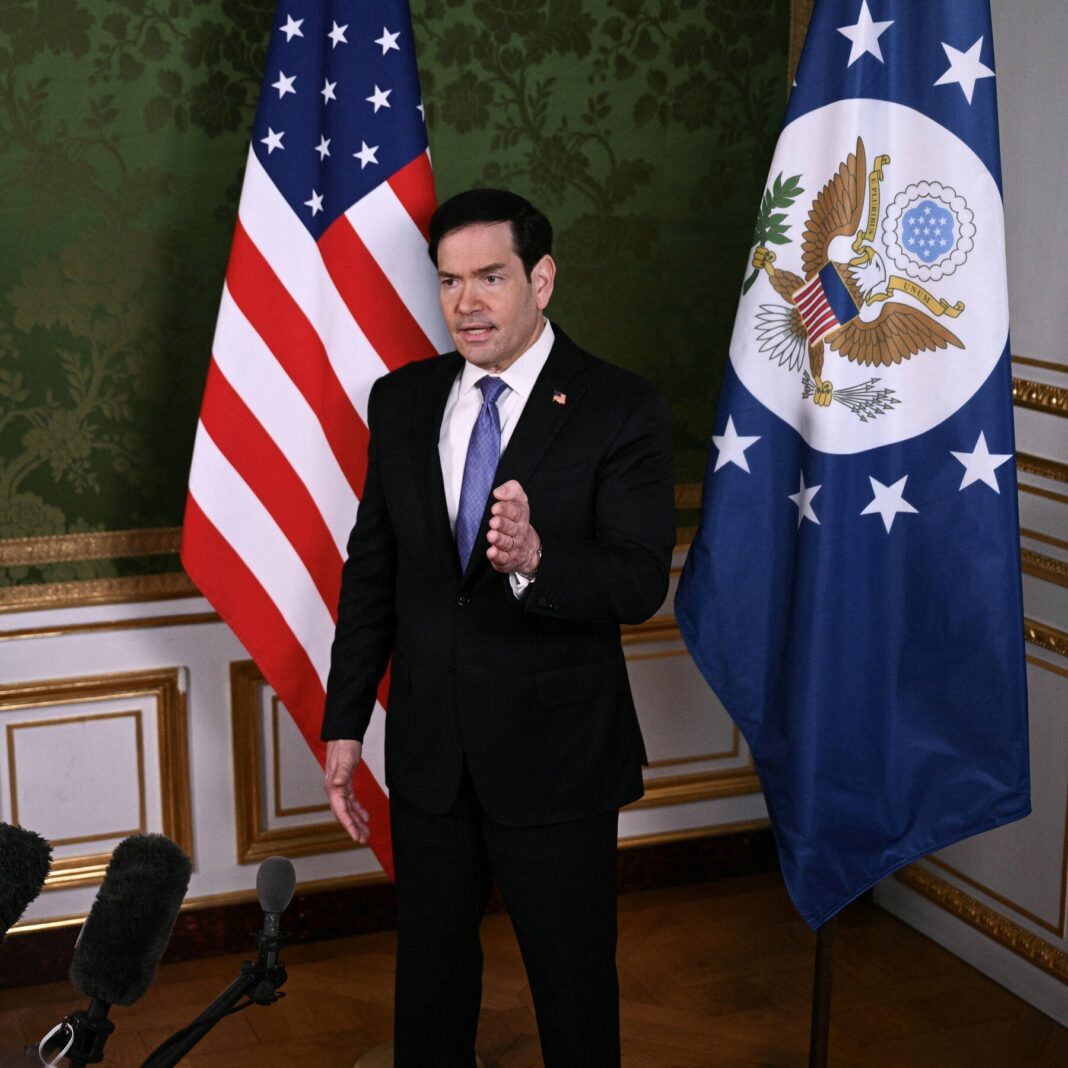
Secretary of State Marco Rubio said major combat operations in the Iran war are no longer needed. He pointed to sustained economic pressure as the reason for the shift. The approach signals a move away from direct military action.
Rubio said American sanctions are inflicting sufficient damage on Iran’s leadership. The economic measures target Tehran’s ability to fund and sustain military operations. He described the pressure campaign as an effective alternative to combat.
The statement marks a notable change in the public framing of U.S. policy toward Iran. Military operations had defined the conflict in earlier phases. Rubio’s remarks suggest Washington now favors economic tools over direct engagement.
Economic pressure has become the central pillar of the current strategy. Sanctions have constrained Iran’s revenue and strained its government resources. Officials say the cumulative effect has weakened Tehran’s position.
The shift carries implications for regional stability and allied coordination. Partners in the region have closely monitored the U.S. approach to the conflict. Rubio’s comments may signal a narrower military role going forward.
Critics have questioned whether economic measures alone can achieve lasting results. Supporters argue sanctions avoid the costs and risks of prolonged combat. The debate over the strategy’s effectiveness is likely to continue.
Rubio did not offer a timeline for further military drawdowns. He left open the possibility of renewed action if conditions change. The secretary’s remarks set the current direction but stop short of a final commitment.