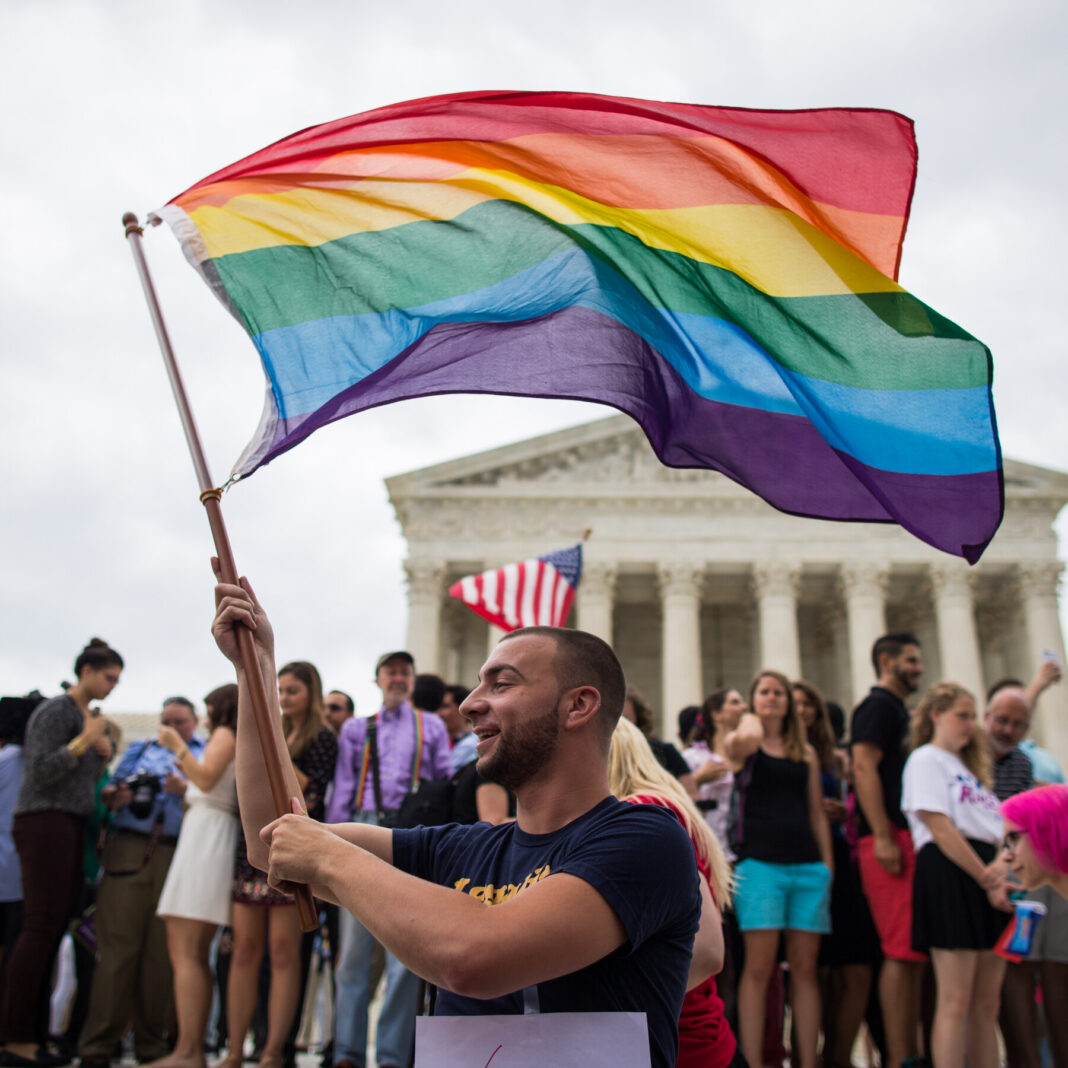
Same-sex marriage is once again creating division within the Republican Party, surfacing as a polarizing issue ahead of the next election cycle.
The backlash to marriage equality has regained momentum among conservative activists and lawmakers. This renewed opposition reflects a strategic focus on cultural issues to mobilize the party’s base.
Supporters of the backlash argue that protecting traditional marriage remains a core principle. They point to concerns over religious liberty and the impact of recent legal rulings as driving factors.
However, many Republican strategists warn that opposing same-sex marriage could alienate younger and suburban voters. These demographics have largely accepted marriage equality as settled law.
The internal conflict mirrors earlier debates that split the party during the 2000s and 2010s. Some leaders now advocate for shifting attention toward transgender rights as a more potent wedge issue.
Polls indicate that public support for same-sex marriage remains high, even among many Republicans. This creates a political risk for those pressing for a full reversal of legal protections.
Transgender rights have emerged as a related battleground, drawing more intense debate within GOP primaries. Some see it as a safer focus to rally conservative voters without reviving past losses on gay marriage.
Legislative efforts in several states propose new limits on same-sex marriage or related benefits. These measures face legal challenges but signal a determined resistance among certain party factions.
The outcome of this division will likely shape Republican messaging and coalition-building in coming elections. Both moderates and conservatives are watching closely as the party navigates this familiar fault line.