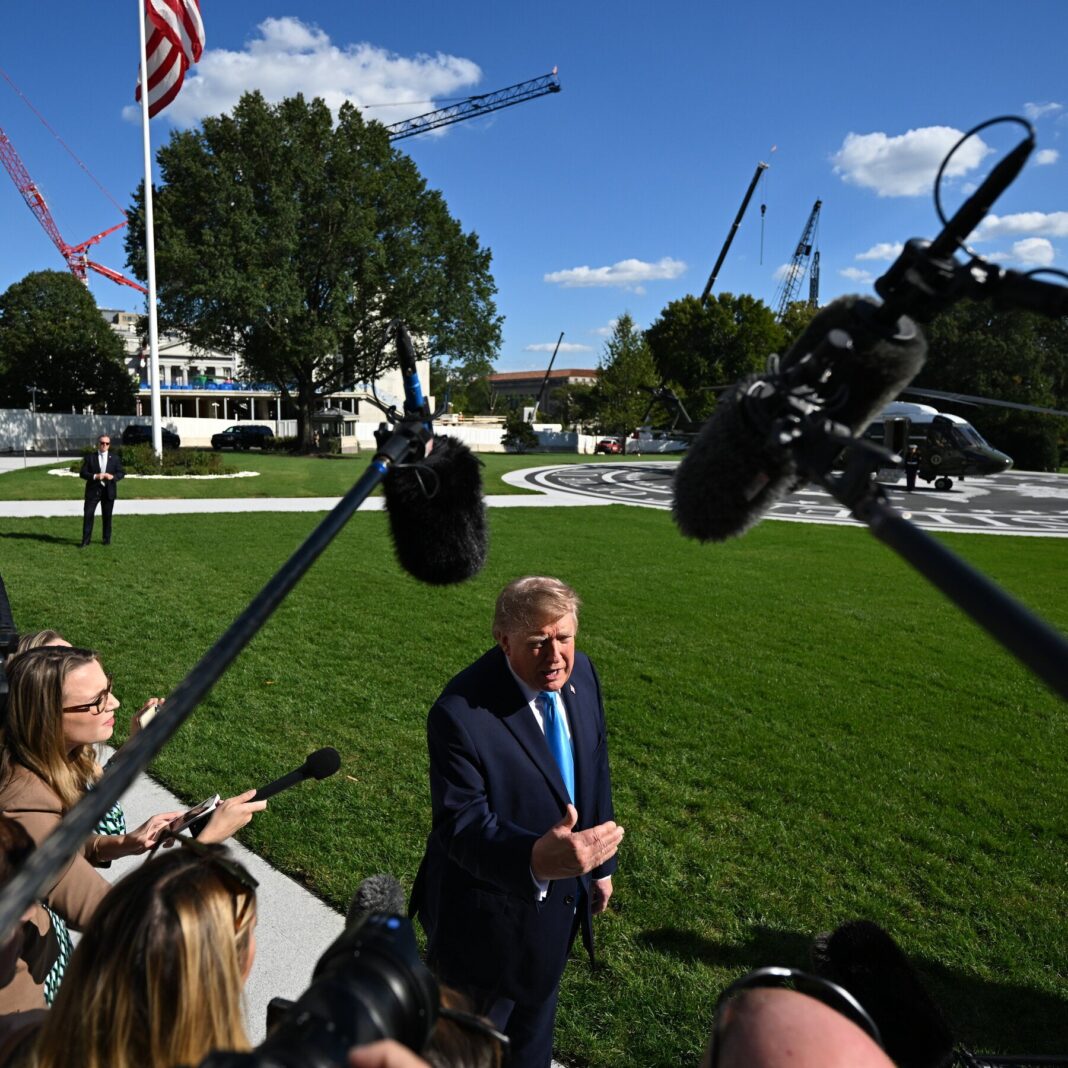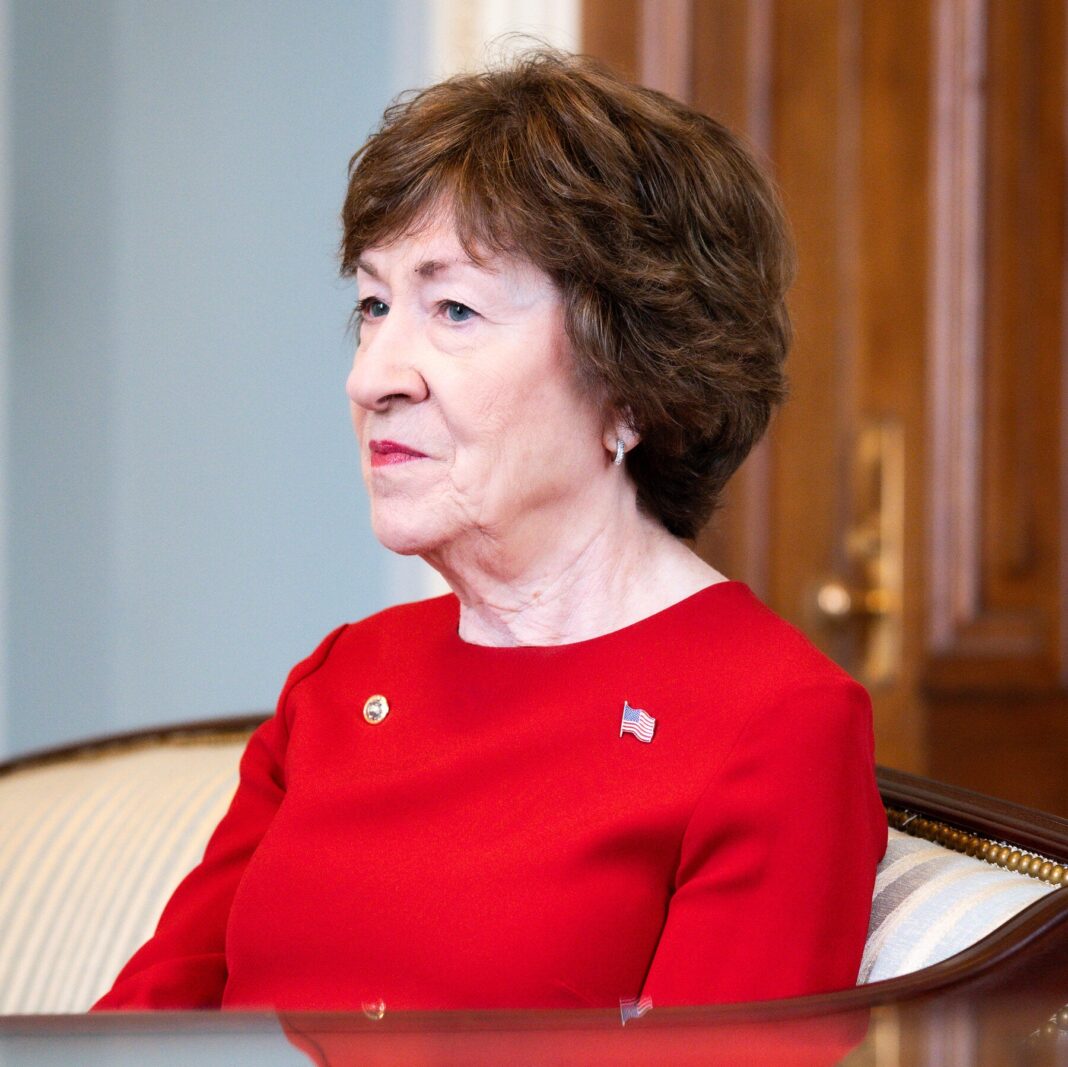
Senator Susan Collins has built a reputation as one of the few Republicans willing to break with former President Donald Trump. A New York Times analysis of her voting record shows those breaks are frequent but rarely decisive.
Collins represents Maine, a state that splits closely between the two parties. That political reality pushes her toward independent positions that appeal to moderate voters. Her breaks with party leadership often draw national attention.
The analysis found that Collins votes against Republican priorities more often than most of her colleagues. She has opposed cabinet nominees, budget measures, and health care rollbacks. Each defection earns headlines and shapes her independent image.
Yet those votes seldom change the final result. Most bills she opposes still pass with support from other Republicans. Her dissent rarely provides the decisive margin in close votes.
The pattern reflects a broader dynamic in a narrowly divided Senate. A single senator can block legislation only when the chamber is tied. Collins often votes no when the outcome is already settled.
Critics argue the approach lets her claim independence without bearing real political cost. Supporters say she evaluates each bill on its merits and votes her conscience. Both sides agree her record is more nuanced than either label suggests.
Collins has occasionally played a decisive role. She helped sink a repeal of the Affordable Care Act in 2017 and opposed some judicial nominees. Those votes carried real consequences for the Trump agenda.
The analysis suggests her influence comes less from stopping legislation than from shaping it. She often negotiates changes before a final vote. That behind-the-scenes work rarely appears in voting tallies.
Her approach carries risk in an era of strict party loyalty. Trump has criticized her, and conservative groups have targeted her seat. She has still won reelection, suggesting Maine voters value her independent streak.
The Senate’s slim margins give even a single senator outsized leverage. Collins uses that leverage selectively, balancing party pressure against her state’s moderate leanings. Her record shows how one lawmaker can defy a president without fully stopping him.