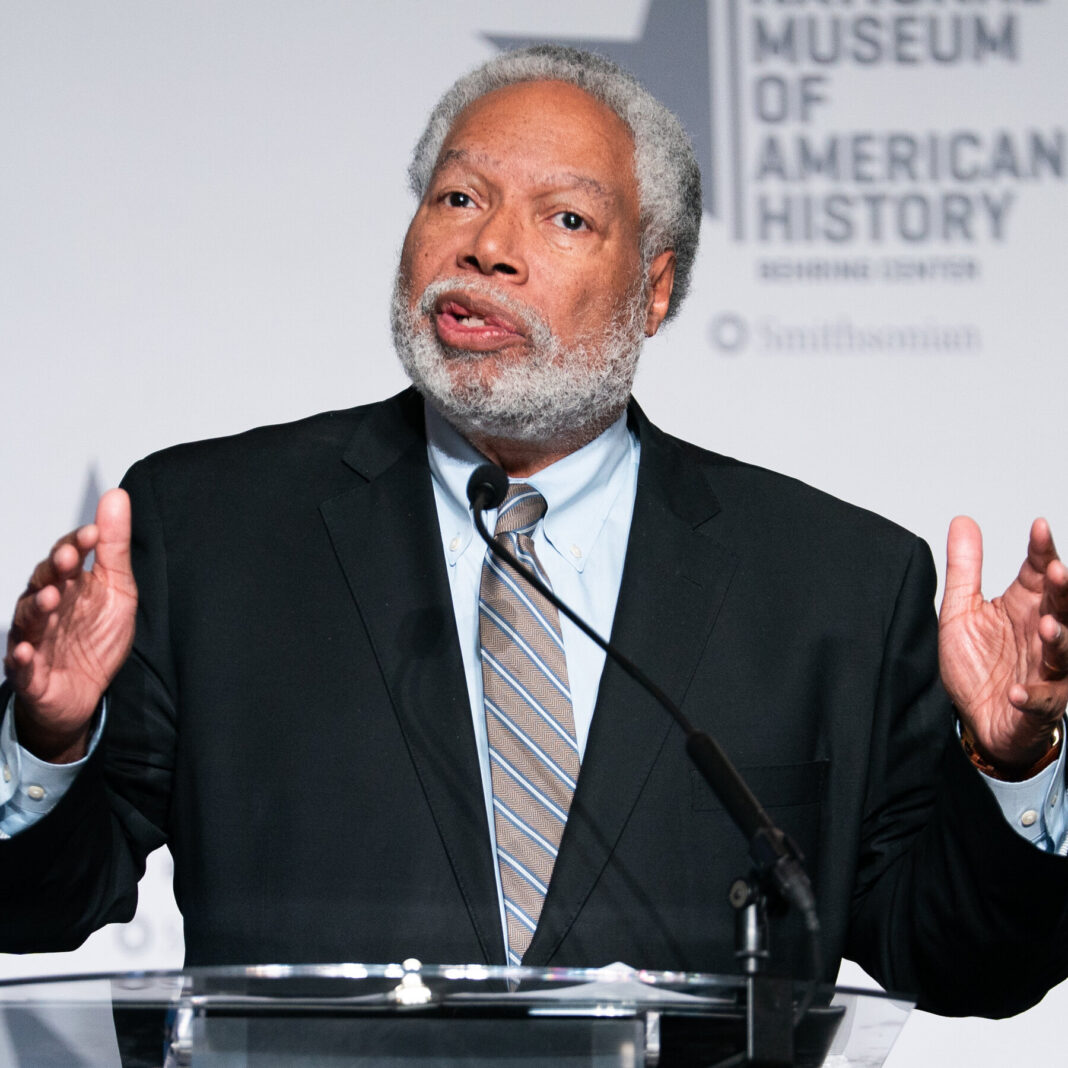
Lonnie G. Bunch III, the secretary of the Smithsonian Institution, has publicly defended the National Museum of American History following a critical report from the White House. In a letter addressed to staff, Bunch argued the report was “not a fair characterization of the work and totality” of the museum.
The White House report criticized several exhibits and educational programs at the museum. It alleged that certain displays promoted a divisive or politically charged view of American history. Bunch responded directly to these claims in his internal memo.
He emphasized the museum’s commitment to presenting a complete and nuanced narrative of the nation’s past. Bunch stated that the institution values accuracy and inclusivity in its storytelling. He expressed concern that the report misrepresented the museum’s overall mission.
The letter sought to reassure staff about the integrity of their work. Bunch reminded employees that the museum has long served as a trusted resource for the public. He highlighted the institution’s dedication to scholarly research and educational outreach.
The White House report did not provide specific examples of alleged bias. This lack of detail has fueled debate about the nature of the criticism. Some observers view it as part of a broader political struggle over cultural institutions.
Bunch’s response signals a firm stance against external pressures. He called for continued focus on the museum’s core objectives despite the controversy. The letter urged staff to remain united in their public service mission.
This incident reflects ongoing tensions between political bodies and cultural organizations. Museums increasingly face scrutiny over how they interpret history. The Smithsonian’s leadership appears committed to defending its educational approach.
The museum has not announced any planned changes to exhibits or programs. Bunch’s communication suggests a strategy of transparency and resilience. Staff are expected to proceed with their regular operations as planned.