A majority of American voters say they trust that election results will be accurate. Yet a smaller group remains uneasy about potential federal interference on Election Day. Their concern centers on whether President Trump might try to sow doubt about the outcome.
The anxiety reflects a broader pattern in recent elections. Some voters now treat official results with caution rather than confidence. Trust in the process has become uneven across the electorate.
Fears of federal interference take several forms. Some worry about pressure on local election officials. Others question whether federal agencies might publicly challenge vote counts.
Election officials in many states have pushed back against those concerns. They point to longstanding procedures that keep vote counting in local hands. Federal involvement in the counting process remains limited by law.
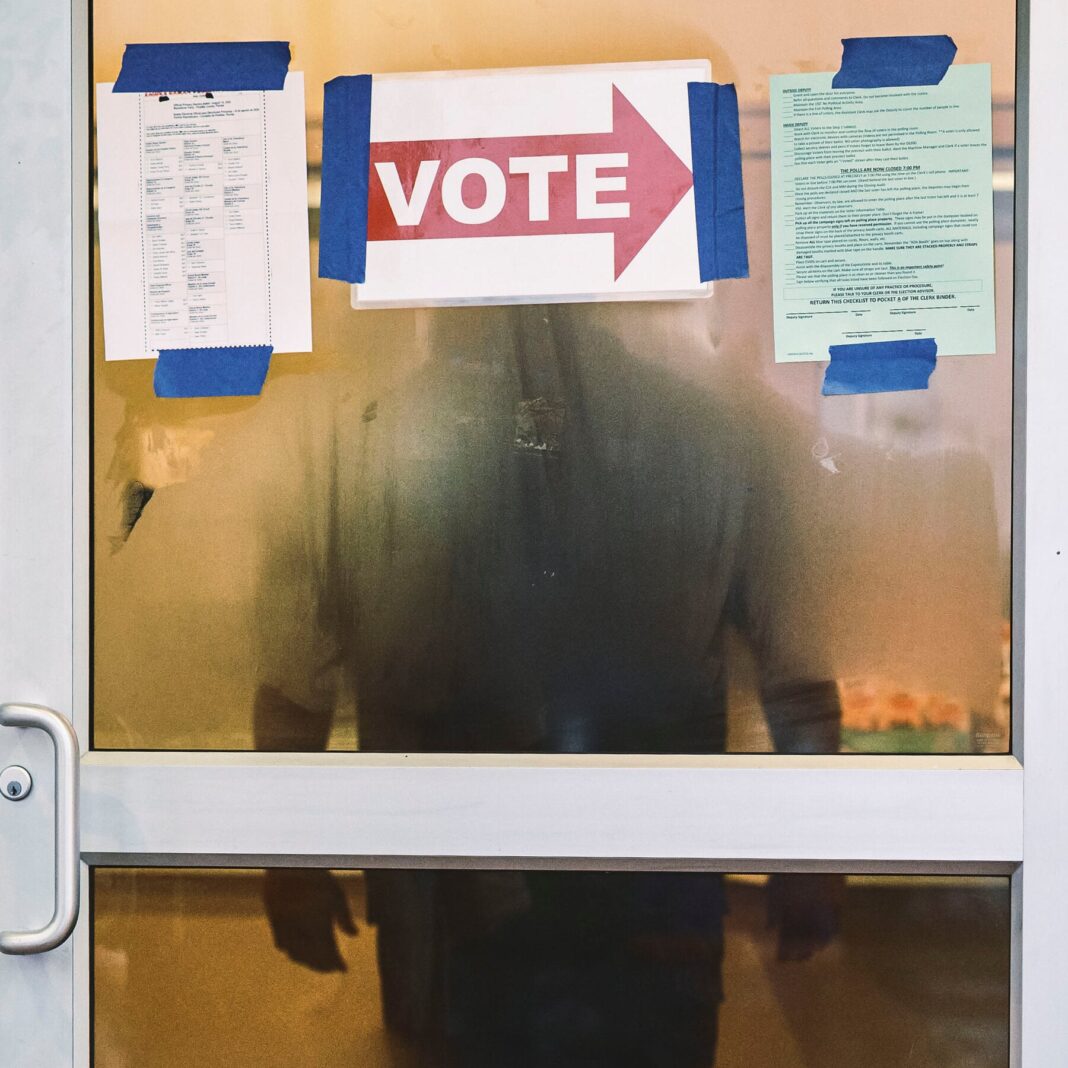
Security measures around polling places have also drawn attention. State and local authorities oversee most Election Day operations. Their role includes protecting access and maintaining order at voting sites.
The doubts persist despite assurances from election administrators. Most voters still expect accurate results overall. The gap lies in how much they trust the system to resist outside pressure.
Analysts say the worry itself can affect turnout and confidence. Public trust depends on clear communication from officials. It also depends on how quickly and transparently results are reported.