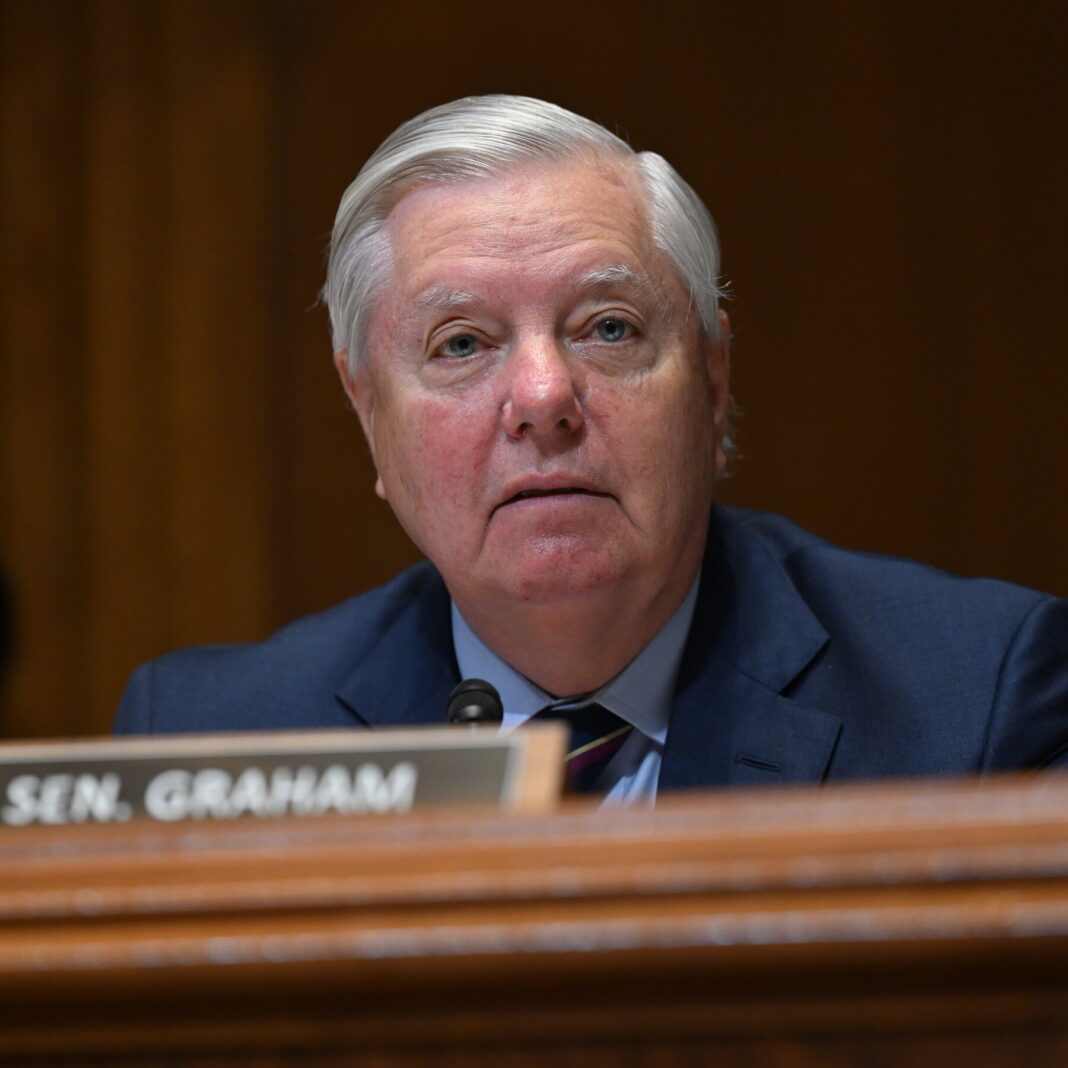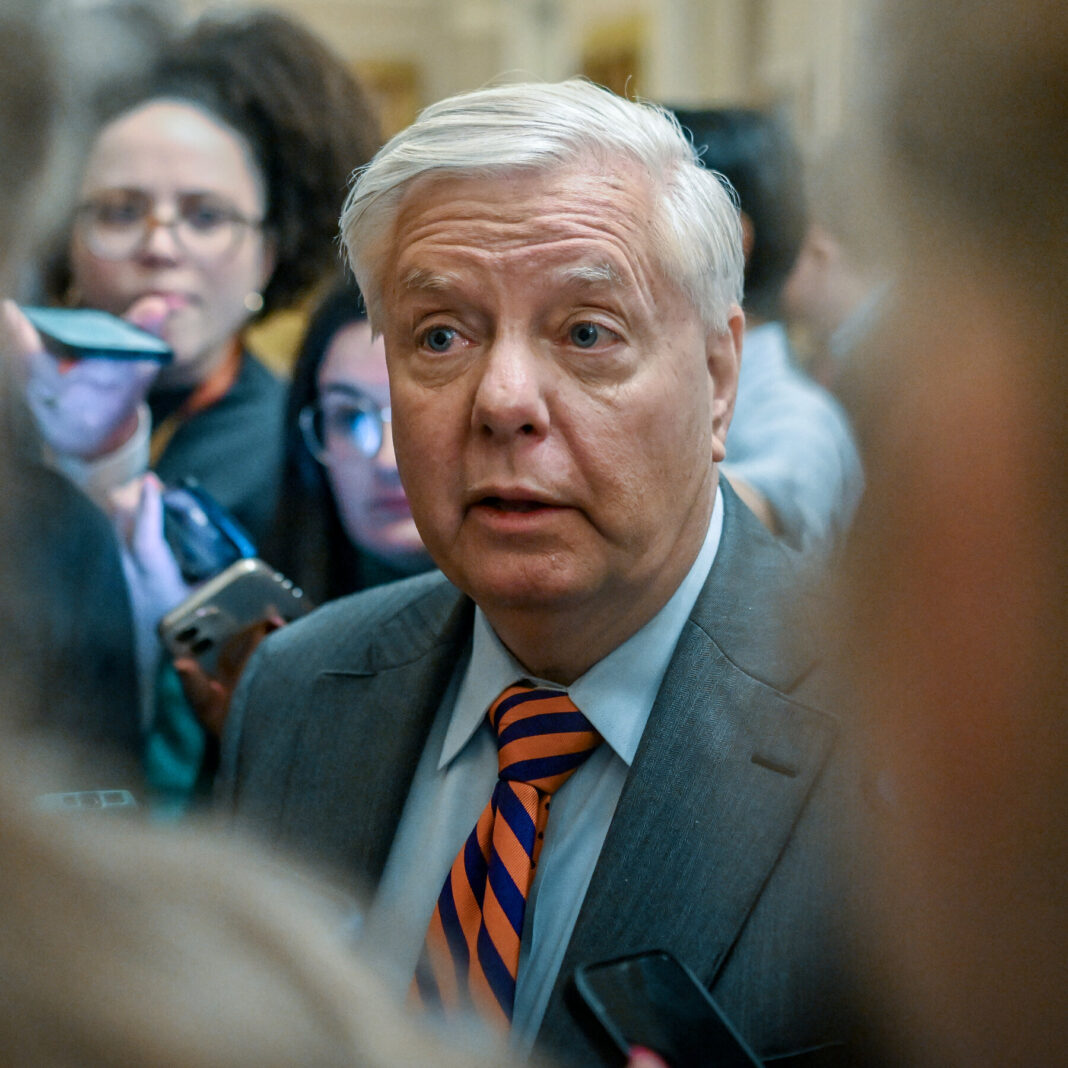
Senator Lindsey Graham’s death in July has triggered a complex electoral process in South Carolina. State law mandates a special Republican primary election on August 11 to select a new nominee. Governor Henry McMaster holds the authority to appoint an interim replacement to serve the remainder of Graham’s term, which ends in early January.
The appointment process allows the governor to fill the vacant Senate seat immediately. The interim senator will serve until a special election can be held. South Carolina voters will ultimately decide the permanent successor in a general election scheduled for November.
Graham’s death upends what was expected to be a competitive re-election campaign. The senator, a prominent Republican figure, had been a leading voice on foreign policy and judicial matters. His absence leaves a significant void in the Senate’s Republican leadership.
The special primary on August 11 will be open to registered Republican voters. Candidates must meet filing requirements and deadlines established by state election officials. The winner will advance to November’s general election to face the Democratic nominee and any third-party contenders.
Governor McMaster has not yet announced his interim appointment. Speculation centers on several prominent South Carolina Republicans, including current House members and state officials. The appointee will gain immediate seniority and committee assignments.
The November election will determine who completes the remaining two years of Graham’s term. The winner will face re-election again in 2028. The process highlights the swift succession mechanism built into South Carolina’s election laws.
Democrats have expressed interest in contesting the seat more aggressively than initially planned. The open race provides an unexpected opportunity in a state that has leaned Republican in recent elections. Both parties are now recalibrating their strategies.