Spirit Airlines is preparing to shut down after years of financial struggle.
The low-fare carrier had been trying to secure a $500 million lifeline from the Trump administration.
Those efforts have now ended without a deal, according to sources close to the situation.
Spirit has faced mounting losses since the pandemic, failing to return to consistent profitability.
The airline’s business model, built on ultra-low fares and add-on fees, came under increasing pressure.
Rising labor costs and fuel prices further strained its operations.
A proposed merger with JetBlue Airways was blocked by a federal judge in 2024 on antitrust grounds.
That ruling removed a key potential escape route for the struggling airline.
Without the government loan or a merger partner, Spirit’s options narrowed rapidly.
The company had been in talks with creditors but could not reach a restructuring agreement.
Employees were notified of the pending shutdown earlier this week.
Ticket sales have been halted for flights beyond the coming weeks.
Passengers holding future bookings are being advised to contact their credit card companies for refunds.
Spirit’s collapse would mark one of the largest airline failures in U.S. history.
The carrier once employed over 8,000 people and operated hundreds of daily flights.
Industry analysts say the shutdown reflects broader challenges for budget airlines in a consolidating market.
Competitors like Frontier and Allegiant also face similar headwinds, though both remain operational.
Spirit’s shutdown is expected to reduce capacity in key leisure markets, potentially raising fares for some routes.
Airline officials have not issued a final closing date, but operations are winding down.
The company’s assets including aircraft and gates are likely to be sold off.
Spirit’s demise marks the end of a disruptive era in American aviation.
The carrier pioneered the model of unbundled fares, sparking changes across the industry.
Its ability to offer low base prices forced larger airlines to create their own basic economy options.
Now, without Spirit, consumers may face fewer ultra-low-cost choices.
The Trump administration had not commented on the decision to deny the loan request.
White House officials previously signaled reluctance to bail out airlines not deemed essential to national infrastructure.
Spirit had argued its service was vital for connecting smaller cities and underserved communities.
Those arguments ultimately did not sway the administration.
The airline’s board met late Tuesday and voted to begin the shutdown process.
Legal filings related to the closure are expected in the coming days.
Spirit’s headquarters in Miramar, Florida, will be among the first facilities to close.
The company’s fleet of over 200 Airbus aircraft will be returned to lessors or sold.
Thousands of employees face immediate job loss, with severance packages still being finalized.
Union representatives have called for federal assistance to support affected workers.
The shutdown is likely to dominate the next Department of Transportation hearings on airline competition.
Airlines for America, the industry trade group, has not yet issued a statement.
Consumer advocates warn that Spirit’s exit will reduce pressure on legacy carriers to keep fares low.
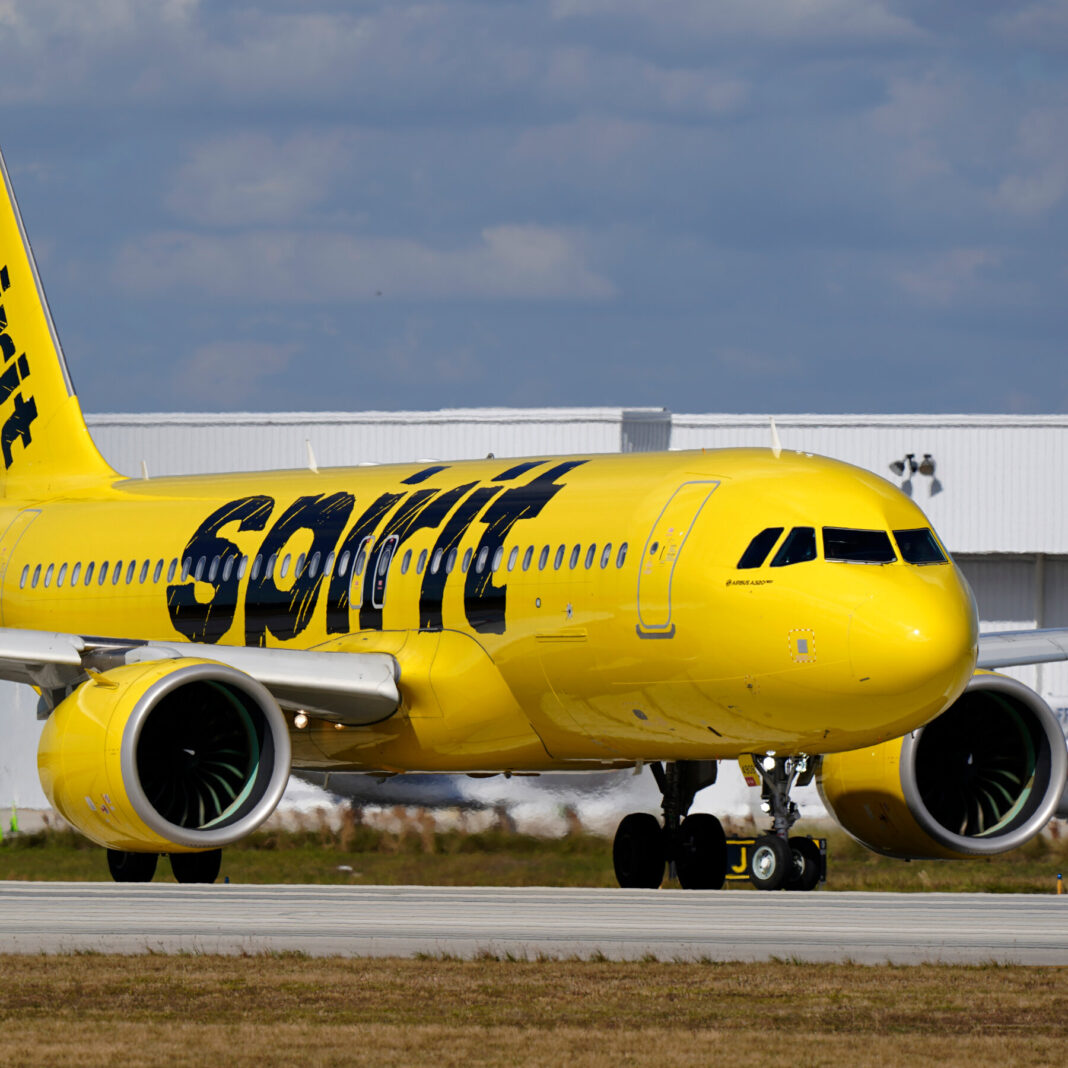
Frequent flyers have expressed disappointment on social media, recalling the airline’s unusual safety videos and bold yellow branding.
Spirit’s closure is a stark reminder of the volatility in the low-cost airline sector.
For now, the yellow planes will soon disappear from America’s skies.