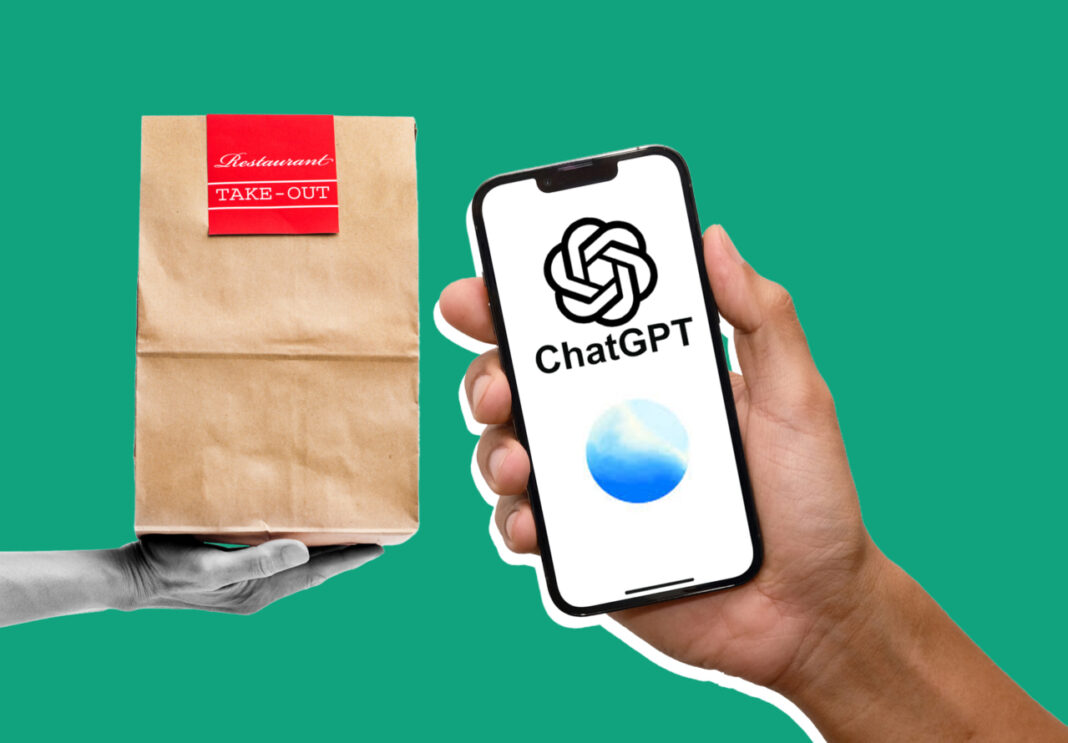
Starbucks and Little Caesars have launched new apps on ChatGPT, signaling a shift toward AI-powered food ordering. Customers can now place takeout orders through conversational interactions with the chatbot. The move reflects a growing trend in the restaurant industry to integrate artificial intelligence into everyday operations.
The apps allow users to order directly within the ChatGPT interface, bypassing traditional mobile apps or websites. Starbucks customers can customize drinks and select pickup locations, while Little Caesars offers menu browsing and order placement. Both chains aim to streamline the ordering process for convenience.
Industry representatives describe AI as “the sizzle in the restaurant world,” highlighting its potential to attract tech-savvy consumers. The technology enables faster, more personalized service without requiring customers to download additional software. Early adopters see it as a competitive advantage.
ChatGPT’s natural language processing simplifies complex orders, such as modifications or dietary restrictions. The system interprets user requests and confirms details before submission. This reduces errors common with manual input on small screens.
The partnerships mark a practical step beyond AI’s experimental use in restaurants. Previous applications included automated phone orders or chatbot customer service. Now, direct integration with a popular AI platform broadens accessibility.
Starbucks and Little Caesars join a small but growing list of brands testing ChatGPT for commerce. Their apps are available to ChatGPT Plus subscribers, limiting initial reach. Broader availability may follow based on user feedback and demand.
Retail analysts note that AI ordering could reshape customer expectations for speed and simplicity. The technology removes friction from routine tasks, potentially increasing order frequency. Restaurants that fail to adapt risk losing market share to early movers.
The apps also collect data on user preferences, enabling targeted promotions over time. This mirrors strategies used by traditional apps but leverages AI’s conversational style. Privacy concerns remain, though companies emphasize data protection standards.
Success depends on user adoption and seamless integration with existing systems. If widely accepted, AI ordering could become standard within five years, analysts predict. The shift mirrors earlier transitions to mobile and web-based ordering.