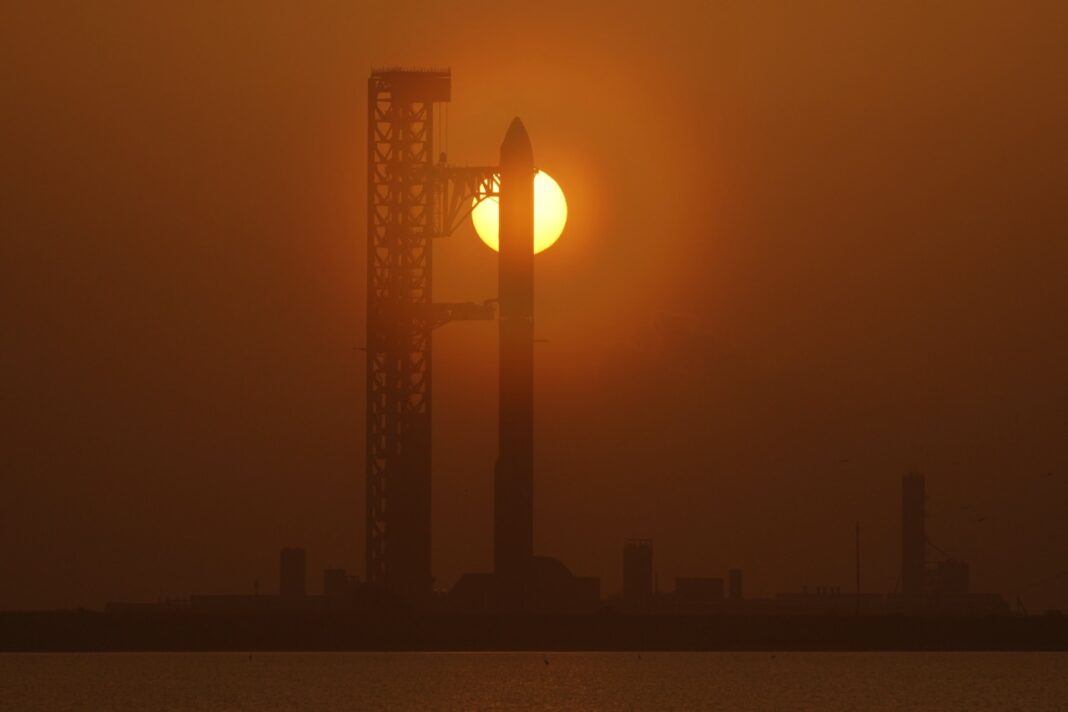
SpaceX’s most ambitious goals depend on the success of its Starship rocket system. Without it, the company’s broader plans for deep space exploration and satellite deployment face serious obstacles. Starship is designed to be fully reusable, a key feature that sets it apart from earlier models. The rocket’s size and capacity are central to its intended role in future missions.
The company has positioned Starship as the backbone of its next generation of launches. Its design aims to carry larger payloads and more crew members than any previous system. That capability is essential for planned missions to the Moon and Mars. However, the rocket has yet to complete a fully successful orbital flight. Testing has faced setbacks, including explosions during launch attempts and technical failures during ascent.
Regulatory hurdles have also slowed progress. The Federal Aviation Administration has required additional reviews and environmental assessments. These steps are necessary but have extended timelines. SpaceX has worked to address these concerns while continuing iterative testing. The approach involves rapid prototyping and frequent test flights, which carries inherent risk.
Industry analysts note that failure is part of SpaceX’s development process. The company has historically used test failures to gather data and refine designs. This method has worked with earlier rockets, such as Falcon 9, which now flies routinely. Repeating that success with Starship will take more time and funding.
The financial stakes are high. SpaceX has invested billions into Starship’s development. Commercial contracts and government partnerships depend on its performance. NASA has selected Starship for its Artemis program, which aims to return astronauts to the lunar surface. Any further delays could affect those schedules and the agency’s broader objectives.
Competitors are also watching closely. Other companies are developing heavy-lift rockets, though none match Starship’s intended scale. Blue Origin and United Launch Alliance have their own projects in progress. Still, SpaceX holds a clear lead in launch frequency and reusable technology. Maintaining that edge requires Starship to move from testing to operational use.
The path forward remains uncertain but not blocked. SpaceX continues to modify the vehicle based on test results. Each flight provides engineering data that informs the next iteration. The company has stated that Starship is central to its long-term vision. Success will likely come, but the timeline remains unclear. Until then, SpaceX’s biggest plans stay grounded.