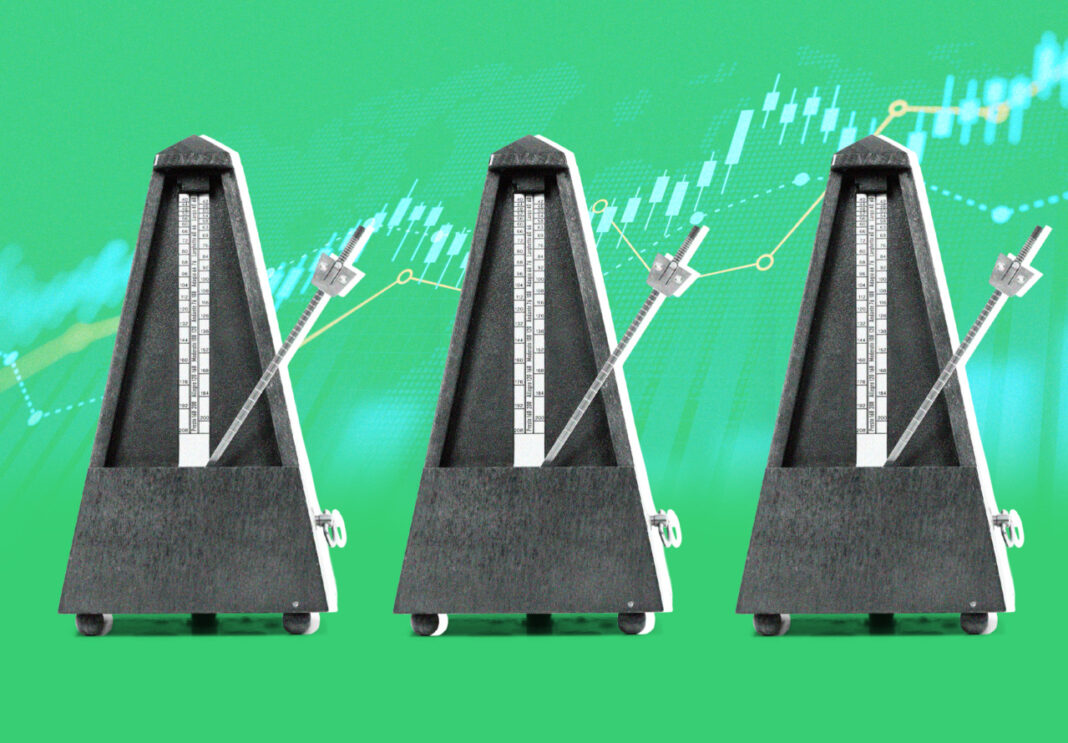
Stocks have started moving together again after months of diverging. The shift marks a rare break from the divided trading that defined the U.S. equity market for much of the past year.
The synchronization comes with a catch: it has coincided with the sharpest market selloff in more than a year. Major indexes have fallen as stocks across sectors and styles decline in tandem.
For months, investors had grown used to a market split between winners and losers. Technology and growth shares often moved independently of value and defensive names.
That pattern broke down as selling pressure spread broadly. Stocks that once traded on separate paths now react to the same economic signals and interest-rate expectations.
The return of lockstep trading can amplify market moves. When many stocks fall together, index losses deepen faster than when declines are concentrated in a few areas.
Correlation had been unusually low before this stretch. A narrow group of stocks drove most gains, leaving the rest of the market far behind.
The recent selloff is a reminder that unity cuts both ways. Stocks rising in sync can lift indexes quickly, but falling in sync can pull them down just as fast.
Investors are now watching whether the synchronized move persists. Much depends on upcoming inflation data and how the Federal Reserve signals its next steps on rates.
For now, the market’s brief unity has delivered losses rather than gains. The question is whether it marks a lasting shift or a short-lived reaction to fresh economic uncertainty.