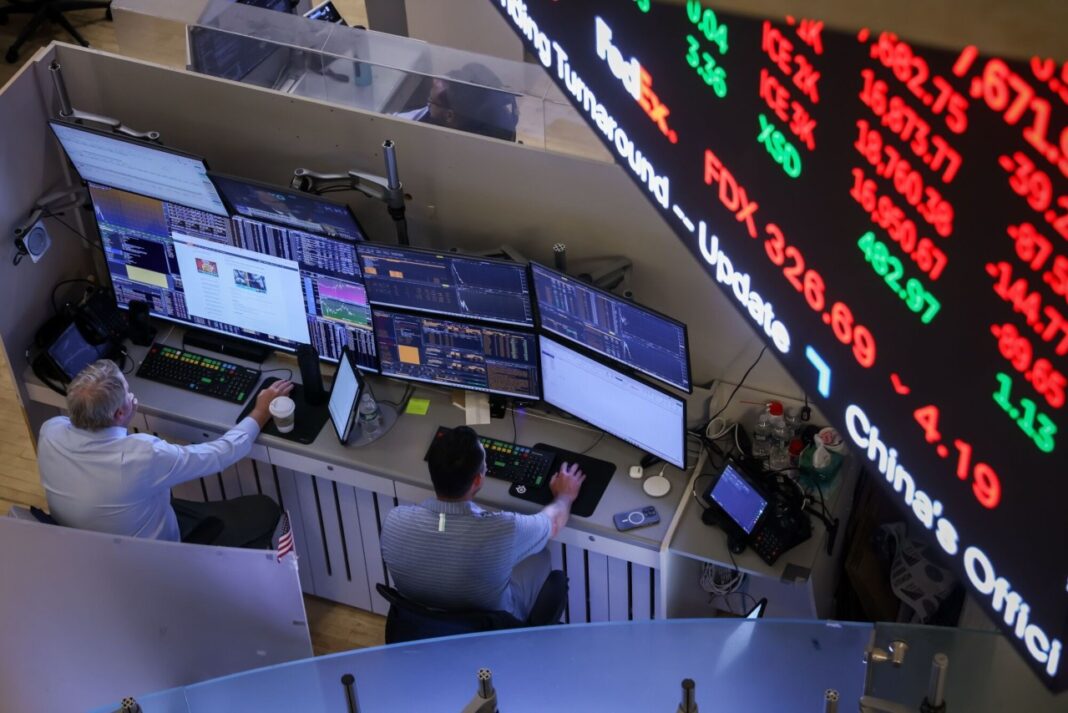
The stock market’s calm summer months have come to an end. Investors now face a stretch that historically brings higher volatility and sharper price swings. The shift in tone comes as attention returns to the Federal Reserve and the path of inflation.
Markets had enjoyed a relatively smooth ride through the warmer months. Low trading volumes and a steady stream of positive earnings helped keep indices near record highs. That sense of ease is now giving way to caution as the calendar turns.
The Federal Reserve remains the central force driving investor sentiment. Any signals on interest rate policy are being parsed closely by traders. The central bank’s dual mandate of managing inflation and supporting employment is once again under the microscope.
Inflation data continues to influence expectations for future rate moves. Recent reports suggest price pressures have not fully subsided. This keeps the possibility of further policy tightening on the table, a scenario that historically unsettles equity markets.
Seasonal patterns also play a role in the current outlook. September has long been the weakest month for stocks, with average returns trailing other periods. This year, the combination of seasonal weakness and macroeconomic uncertainty creates a more challenging backdrop.
Corporate earnings will offer some clarity in the coming weeks. Investors will look to company guidance for signs of resilience or strain. Sectors sensitive to borrowing costs, such as real estate and technology, are likely to see the most movement.
Bond yields are another key variable to monitor. Rising yields tend to pull capital away from equities, pressuring valuations. A sudden spike in long-term Treasury yields could accelerate the market’s downward adjustment.
Market participants should prepare for wider daily swings and less predictable trading sessions. Defensive positioning, including interest in healthcare and consumer staples, tends to increase during these phases. Cash reserves may also become more attractive as a hedge against uncertainty.
The current period demands patience rather than panic. History shows that pullbacks often create entry points for long-term investors. However, timing the bottom remains a difficult exercise even for seasoned professionals.
The road ahead will test the market’s resilience. Much depends on upcoming inflation reports and the Fed’s commentary at its next meeting. Until then, volatility is likely to remain the defining feature of trading floors.