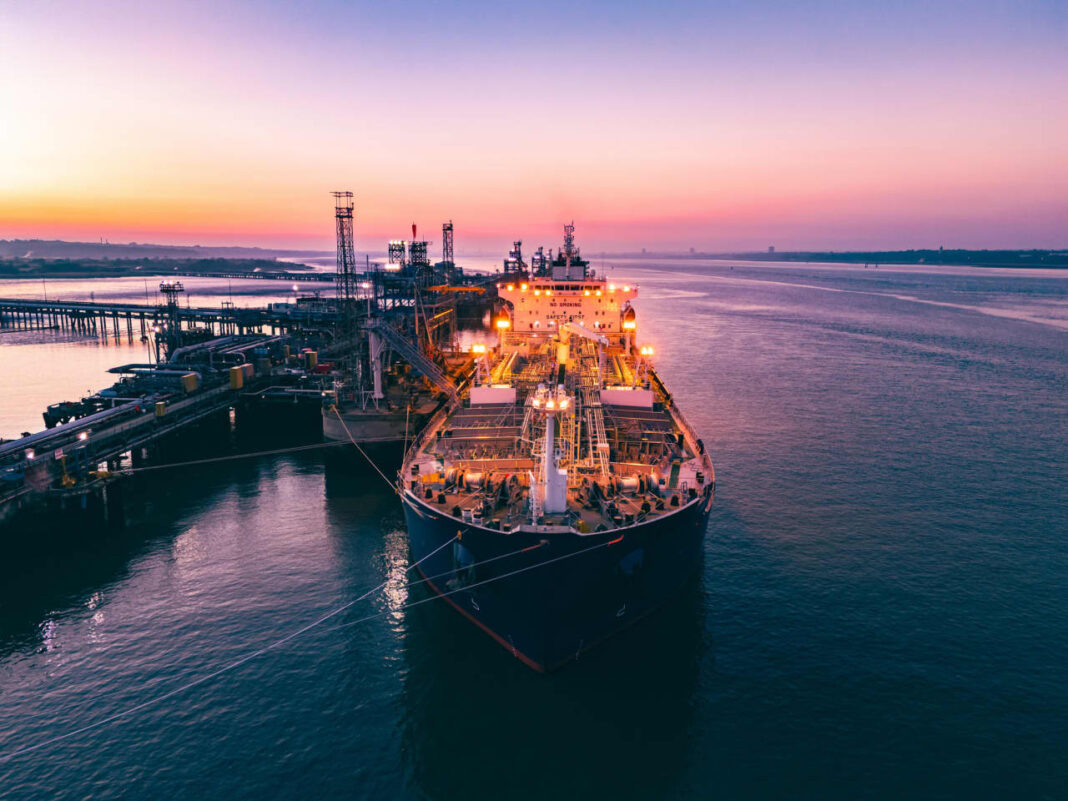
A significant number of large oil tankers remain stranded in the Strait of Hormuz. There is growing doubt they will return to the Middle East in the same numbers once they escape.
These massive vessels were once the backbone of global crude oil flows. Their prolonged presence near the chokepoint highlights ongoing disruptions in the region.
The situation stems from heightened geopolitical tensions and security risks. Many tankers are effectively trapped, unable to transit safely without guarantees.
Industry experts note that owners may hesitate to send ships back. The potential for further instability makes the region less attractive for maritime operations.
Shippers are already considering alternative routes and markets. This could permanently alter how crude oil moves from the Middle East to global buyers.
Insurance costs have spiked for vessels traveling through the strait. Higher premiums further discourage routine operations in these waters.
The long-term effect may be a reshuffling of global tanker fleets. Some ships could be reassigned to safer, long-haul routes elsewhere.
For now, the stranded tankers represent a logistical bottleneck. Their eventual departure may mark a lasting shift in oil shipping patterns.