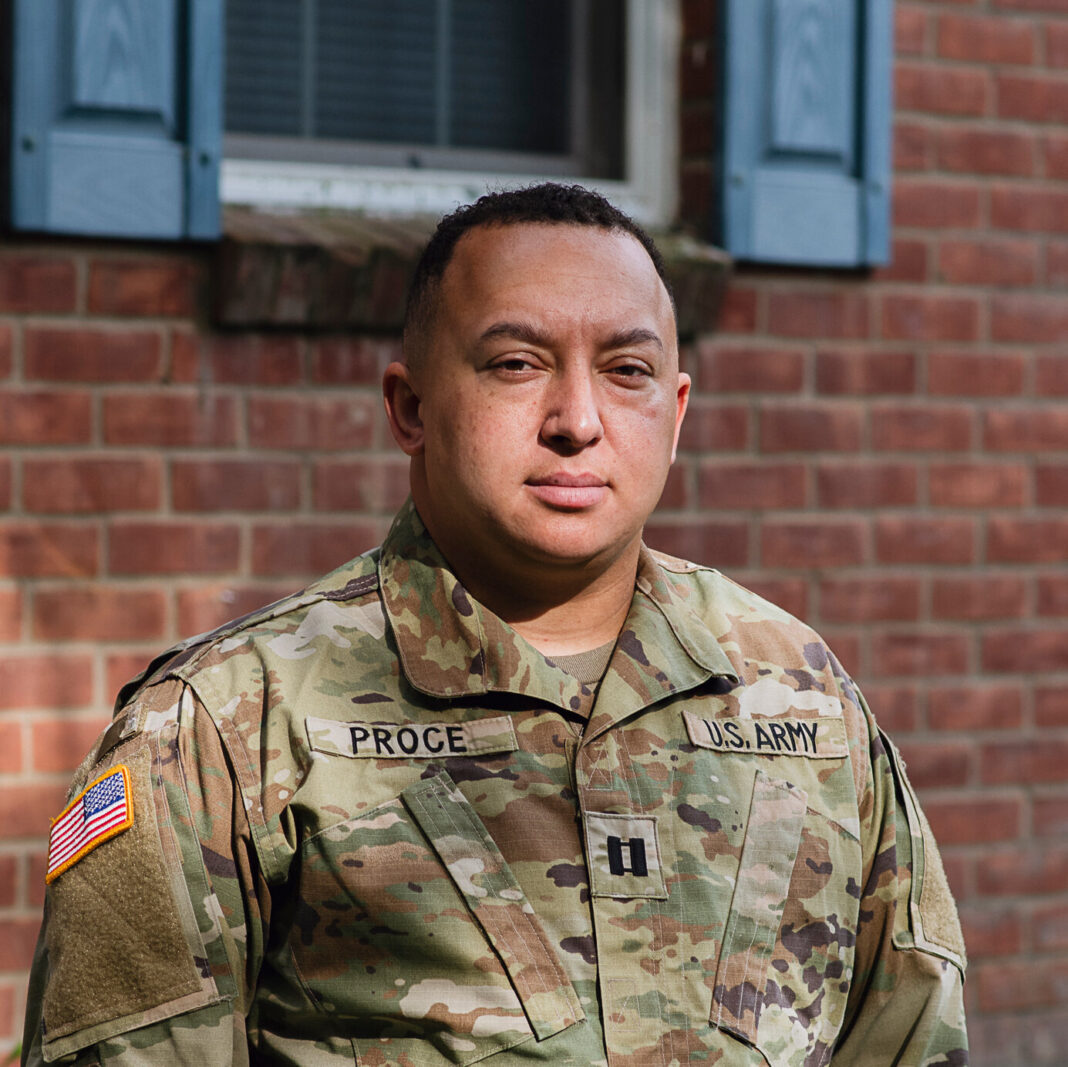
The Pentagon is using closed-door hearings to remove transgender service members from the military, a process that remains largely hidden from public view. An Army Reserve lawyer, one of the few outsiders to observe these proceedings, has described how they operate in practice. The hearings are part of a broader policy shift that has drawn scrutiny from legal experts and advocacy groups.
The Army Reserve lawyer, who spoke on condition of anonymity due to the sensitive nature of the cases, detailed a system that prioritizes efficiency over transparency. Service members facing discharge are given limited time to present their cases, with little access to legal counsel or evidence against them. The hearings are conducted by panels of senior officers, whose decisions are rarely explained in writing.
This process stems from a directive issued earlier this year, which reversed previous policies allowing transgender individuals to serve openly. The directive requires the discharge of any service member diagnosed with gender dysphoria, unless a waiver is granted on a case-by-case basis. Waivers, however, are rarely approved, according to the lawyer.
The closed-door nature of the hearings has raised concerns among military law experts. They argue that the lack of public records and appeal options violates basic due process standards. Several cases have already been filed in federal court, challenging the policy on constitutional grounds. The Pentagon has defended the process, stating that it is necessary to maintain military readiness and unit cohesion.
The lawyer recounted specific instances where service members were unaware of the specific reasons for their discharge until the hearing began. In one case, a soldier with over a decade of service was given less than two weeks to prepare a defense. The panel’s final decision, delivered verbally, offered no path for further review.
Data from the Pentagon shows that the number of transgender service members is small, estimated at fewer than 15,000 across all branches. Despite this, the policy has sparked intense debate within military circles and Congress. Some lawmakers have called for a full investigation into the hearing process, while others support the current approach as a matter of discipline.
For now, the hearings continue behind closed doors, leaving many affected service members in legal limbo. The Army Reserve lawyer noted that the process has created a climate of fear, with some transgender troops choosing to resign rather than face a discharge. The outcome of pending court challenges could determine whether the policy will stand or be revised.