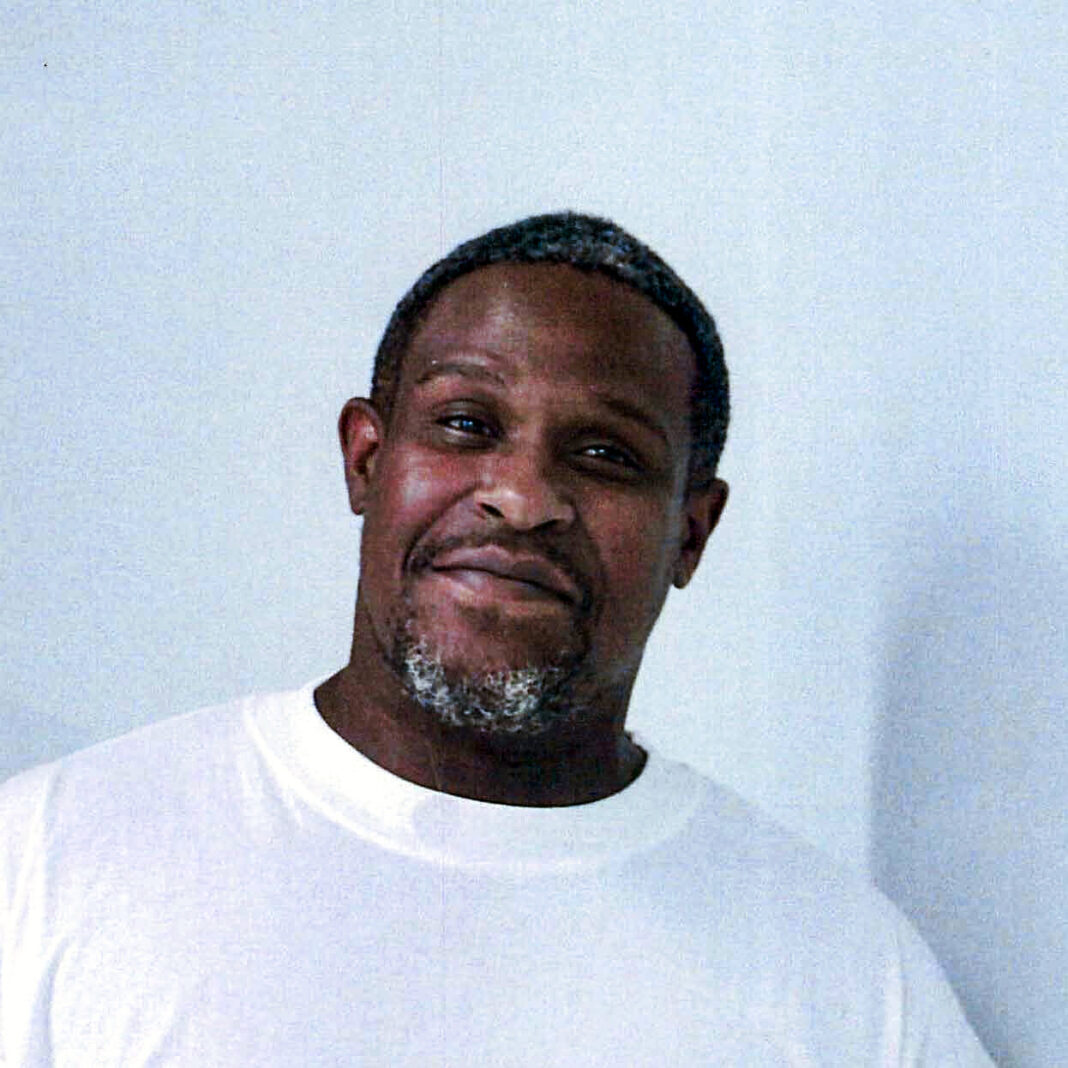
The Supreme Court ruled this week that a death row inmate may challenge the exclusion of Black jurors from his trial. The case centers on Terry Pitchford, convicted in 2006 for his role in the murder of a shopkeeper.
Pitchford was tried by a 12-member jury that included only one Black member. He argued that prosecutors deliberately struck Black potential jurors during selection, violating his constitutional rights.
The Court’s decision allows Pitchford to pursue his claim, which lower courts had previously blocked. The ruling reinforces protections against racial discrimination in jury selection.
Legal experts note that the case highlights ongoing concerns about systemic bias in the justice system. The Supreme Court did not rule on the merits of Pitchford’s claim, only on his right to bring it.
Pitchford’s legal team welcomed the decision, stating it opens the door for a fuller review of the jury selection process. The state has not yet commented on the ruling.
The case now returns to lower courts for further proceedings. Observers expect the issue to draw continued scrutiny as racial disparities in jury composition remain a pressing topic.
This ruling marks another step in the Court’s evolving approach to ensuring fair trials. It also underscores the importance of diverse juries in delivering impartial justice.