The Supreme Court on Monday allowed preparations for mail voting restrictions to move forward, marking a significant step in an ongoing effort to reshape U.S. elections. The justices clarified that the decision is not a final ruling on the order’s legality.
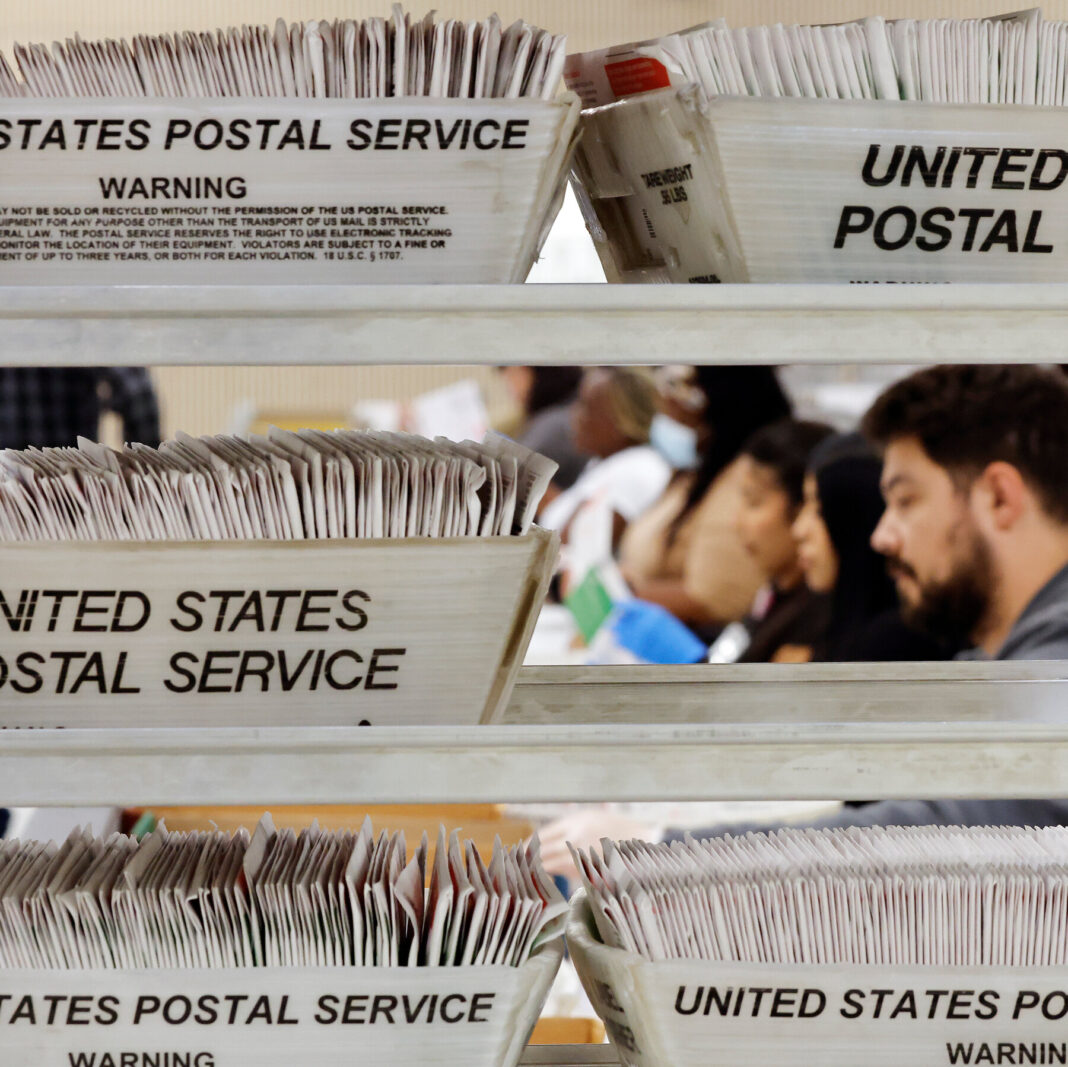
The case has drawn renewed attention to a broader push to gain control over the U.S. Postal Service. This effort, pursued quietly over recent months, aims to alter how ballots are cast and counted nationwide.
Proponents of the changes argue that stricter mail voting rules are necessary to prevent fraud and ensure election integrity. Critics, however, contend that the measures could suppress voter turnout, particularly among groups that rely heavily on absentee ballots.
The Supreme Court’s decision allows lower courts to continue reviewing the underlying legal questions. It also permits election officials to begin implementing new procedures ahead of upcoming contests.
Legal experts note that the ruling is procedural rather than substantive. It does not endorse the restrictions themselves, but it enables their rollout while challenges proceed.
The focus on the Postal Service signals a strategic shift in election policy debates. Control over mail delivery and ballot processing has become a central point of contention.
Supporters of the current approach emphasize efficiency and security. They point to operational changes as a way to modernize the voting system and address longstanding concerns.
Opponents warn that such changes could create logistical hurdles. They point to potential delays in ballot delivery and processing, which might disenfranchise voters in rural or remote areas.
The developments come amid broader national discussions about the future of voting access. State and federal officials are closely monitoring the situation, preparing for legal and administrative responses.
Observers say the coming weeks will be critical in determining how these rules take shape. The Supreme Court’s non-final decision leaves room for further judicial scrutiny.
For now, election administrators are moving forward with preparations. They must balance legal requirements with practical implementation timelines.
The outcome of this case could have lasting implications for how Americans vote. Both sides are bracing for a prolonged legal battle as the issue advances through the courts.