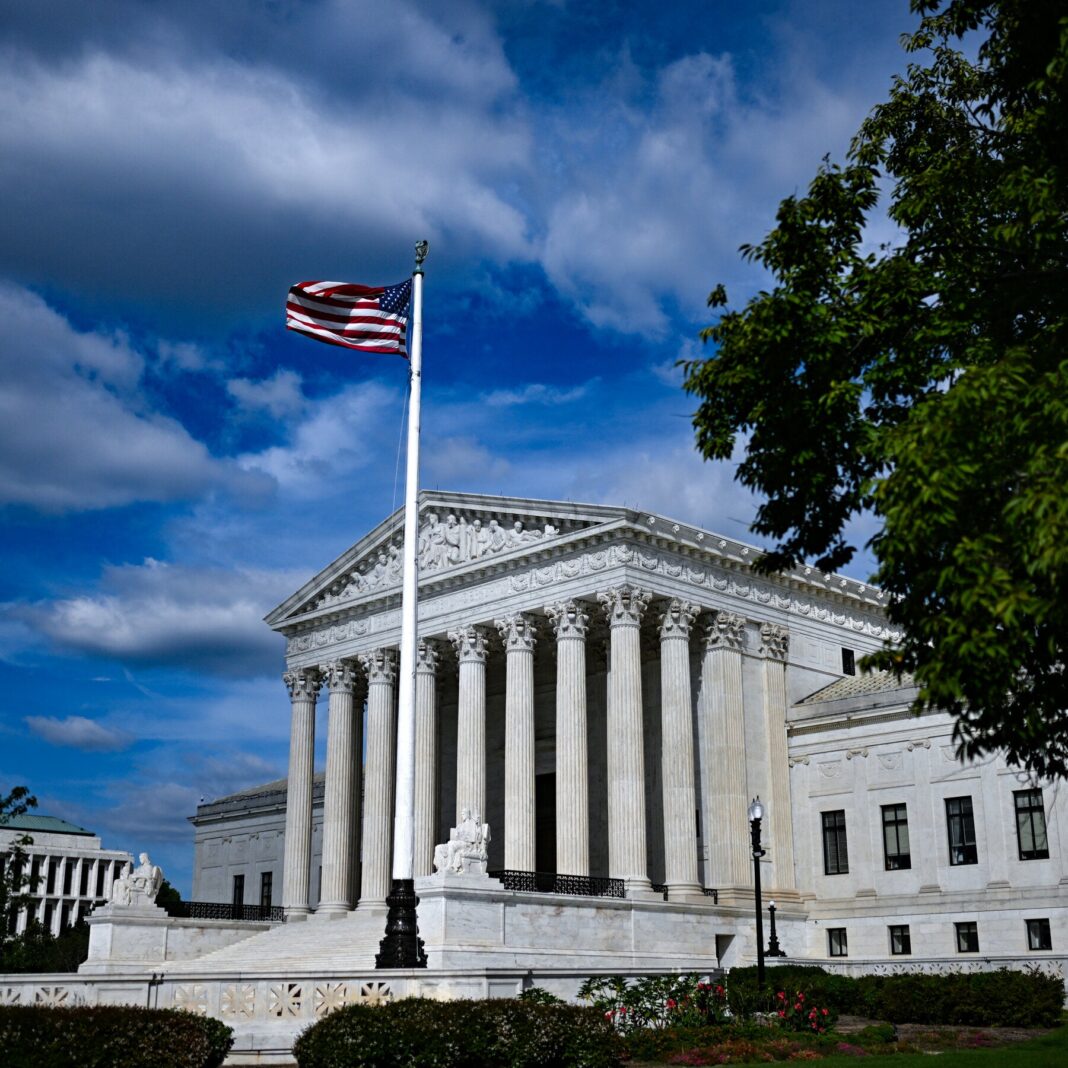
A Supreme Court decision allowing a citizenship database to screen voter rolls will face a federal deadline. A 90-day quiet period before elections limits how quickly the ruling can take effect. That timing likely restricts its reach in the upcoming midterms.
Federal law bars major voting changes within 90 days of an election. The restriction aims to prevent confusion and last-minute disputes at the polls. It applies to the citizenship database decision issued this week.
The ruling permits officials to use the database when checking voter eligibility. States have pushed for broader access to verify citizenship status. Critics warn the data may contain errors and prompt wrongful removals.
Election officials now weigh the ruling against the quiet period deadline. Some states may delay new screening measures until after the midterms. Others could face legal challenges if they act too soon.
Courts have consistently upheld the 90-day rule in past election cycles. The provision blocks changes that could disrupt voter registration or turnout. Legal experts expect similar enforcement this year.
The database itself has drawn scrutiny over accuracy and completeness. It was not designed for large-scale voter verification, according to researchers. Errors could affect eligible citizens, especially naturalized voters.
Practical effects may stay modest until the quiet period ends. Any large-scale screening would likely begin after the election. For now, the ruling’s immediate impact remains limited by the calendar.