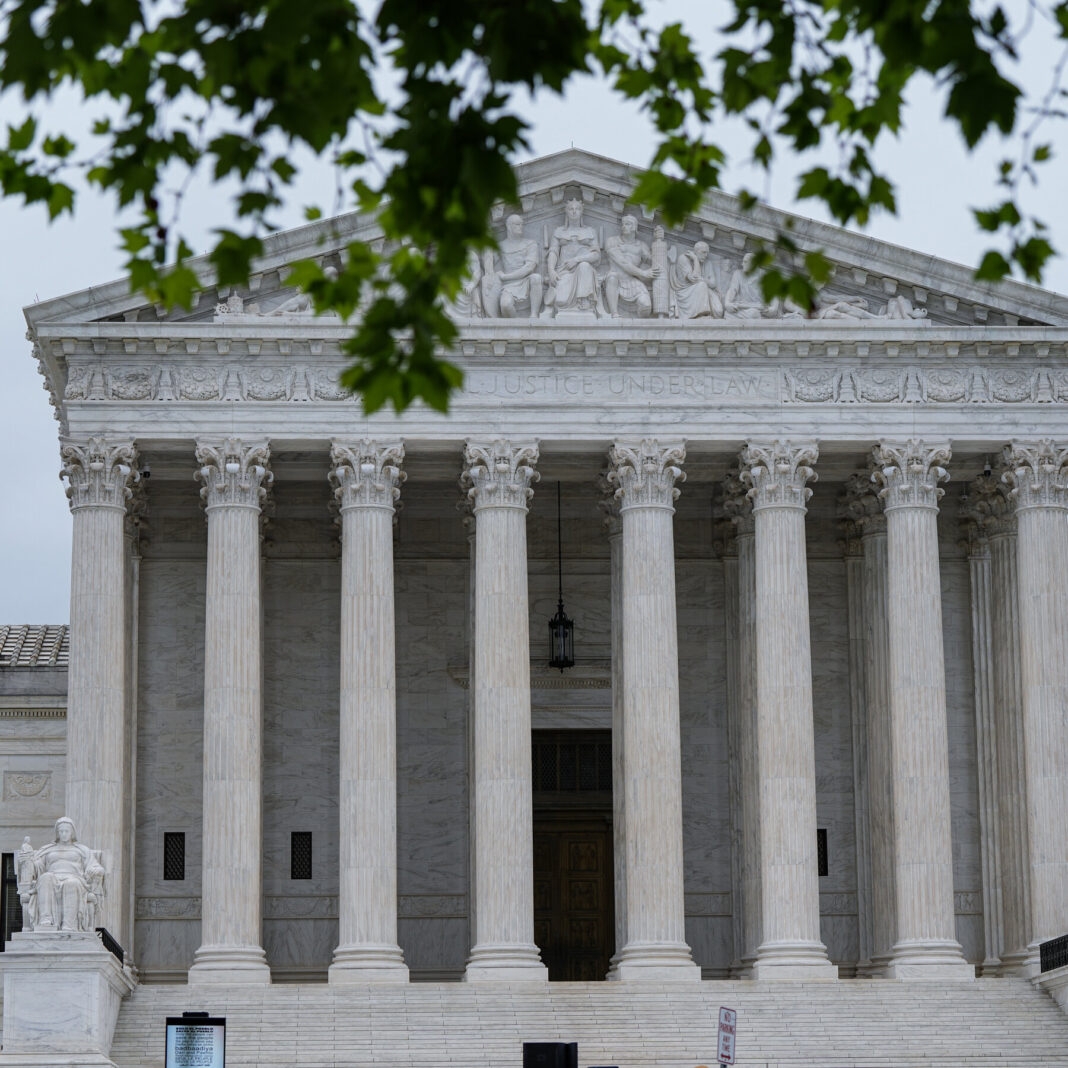
The Supreme Court has ruled that President Trump can end deportation protections for hundreds of thousands of Haitians and Syrians. The decision allows the administration to terminate Temporary Protected Status (TPS) for these groups.
TPS grants legal status to immigrants from countries facing humanitarian crises. The program covers people unable to return safely due to natural disasters, war, or other emergencies. President Trump has consistently pushed to rescind these protections for several nations.
The administration argues that conditions in Haiti and Syria have improved enough to no longer justify TPS designations. Lower courts had previously blocked the termination orders, citing potential harm to recipients and their families. The Supreme Court’s ruling overturns those injunctions.
An estimated 300,000 Haitians and Syrians currently hold TPS status. Many have lived in the United States for years, built careers, and started families. Losing protections could lead to deportation proceedings for these individuals.
Immigration advocates criticized the decision, warning of destabilizing effects on communities. They argue that conditions in both countries remain dangerous and unstable. The ruling marks a significant shift in how the government handles temporary humanitarian protections.
The Trump administration views the decision as a policy victory. Officials maintain that the program was intended as a short-term solution, not a permanent residency pathway. The ruling reinforces executive authority over immigration designations.
Recipients now face an uncertain future. Some may seek alternative legal status, while others could be forced to leave. The decision highlights ongoing debates over immigration policy and humanitarian obligations.