Taiwan is pushing for a major U.S. arms deal, highlighting its strategic importance amid shifting geopolitical talks. Officials on the island stress the need for continued American military support.
The push follows President Trump’s recent suggestion that weapons sales to Taiwan could factor into negotiations with China. Taiwan’s government is now working to reinforce its value as a key U.S. ally in the region.
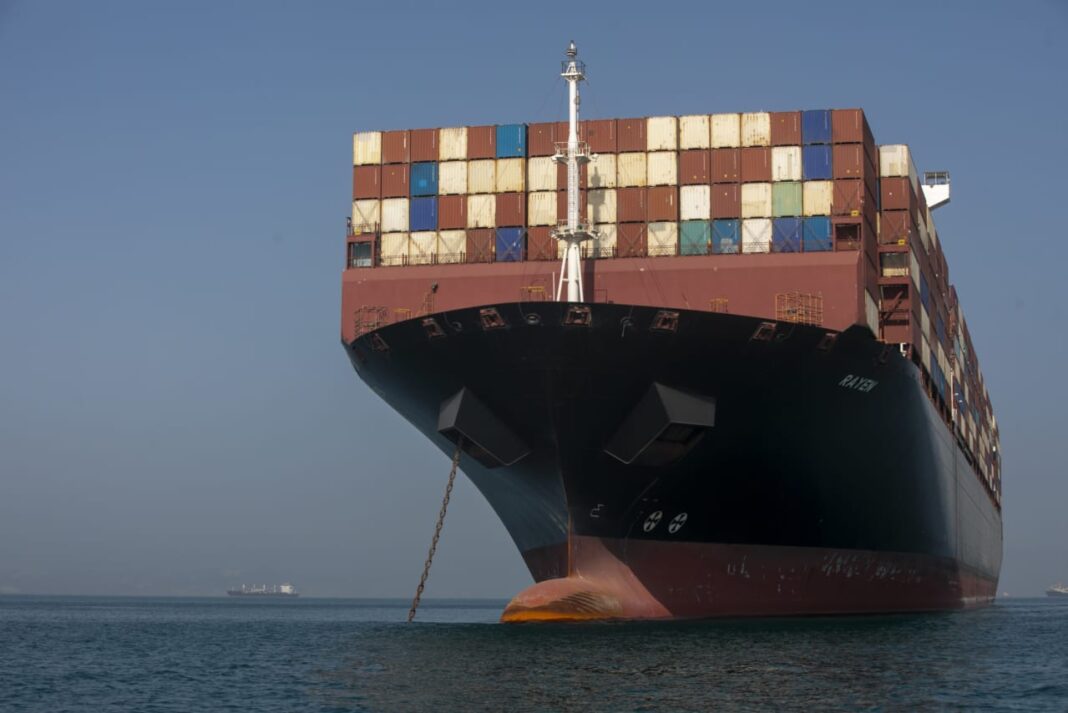
Taiwanese officials argue that a strong defense capability is essential to counter China’s growing military activities. They emphasize the island’s location along vital sea lanes and its role in regional stability.
The proposed arms deal includes advanced fighter jets, missile systems, and naval equipment. Taiwan’s government describes these as necessary to maintain a credible deterrent against potential aggression.
China has repeatedly opposed any U.S. arms sales to Taiwan, viewing them as a violation of its sovereignty. Beijing warns such deals could escalate tensions and undermine cross-strait relations.
The Trump administration has not confirmed whether the arms deal will proceed. Discussions are reportedly ongoing as part of broader trade and security talks with China.
For Taiwan, securing U.S. support is not just a military need but a political signal. Officials believe a strong defense partnership discourages Chinese coercion and reassures other regional allies.
Critics caution that arms sales alone are not a solution. They argue Taiwan must also invest in diplomatic outreach and economic resilience to strengthen its overall security posture.
The outcome of these negotiations remains uncertain. Taiwan’s leaders continue to lobby Washington, urging a commitment that matches the island’s strategic importance in the Indo-Pacific.