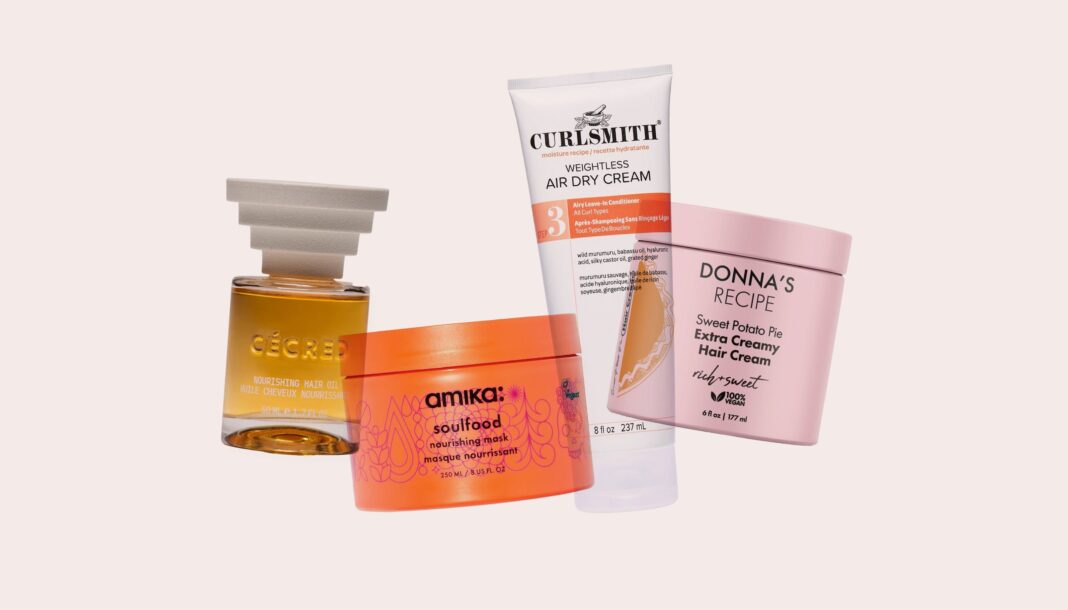
Achieving proper moisture balance for low-porosity hair requires a specific approach, as strands with tightly bound cuticles resist water absorption. Products that are too heavy can sit on the hair shaft, leading to buildup and a greasy appearance. The key is selecting lightweight, water-based formulas that penetrate effectively without leaving residue.
Experts note that low-porosity hair benefits from humectants like glycerin and aloe vera rather than heavy oils and butters. These ingredients draw moisture into the hair without coating it. Additionally, heat activation often helps open the cuticle, allowing conditioners and treatments to work more efficiently.
The recommended products span cleansers, conditioners, and styling aids designed to hydrate while maintaining movement. Each selection prioritizes water-soluble ingredients and avoids heavy waxes or silicones that can accumulate over time. Shoppers should look for terms like “clarifying” or “curl refresher” to keep the hair clean and light.
Sulfate-free shampoos are essential for this hair type, as they remove buildup without stripping natural lipids. A gentle cleansing cream can lift residue from styling products while preserving the hair’s moisture barrier. For deep conditioning, steam-based treatments or heat caps are often suggested to aid absorption but are not required with the right product formulations.
Leave-in conditioners in spray or milk form work well, as they distribute evenly and absorb quickly. They should feature ingredients like aloe leaf juice or hydrolyzed proteins, which support strength without weight. Styling gels and creams should be applied to soaking wet hair to lock in hydration as the hair dries.
Product developers emphasize that low-porosity hair does not need heavy sealing oils, as the cuticle naturally prevents moisture loss. Instead, refreshing between washes with water-based mists helps maintain hydration. A lightweight oil, such as jojoba or grapeseed, can be used sparingly on ends, but only after water-based products are applied.
Consistent use of these targeted products can reduce breakage and improve elasticity over time. Users should also incorporate weekly clarifying washes to prevent mineral or product buildup from hard water. Pay attention to ingredient labels, avoiding any formula that lists heavy oils or waxes in the top five components.
With the right regimen, low-porosity hair can feel soft, shiny, and full of movement. The market now offers many options that meet these needs without compromising on performance or sensory experience. These products offer all the moisture without the unwanted buildup.