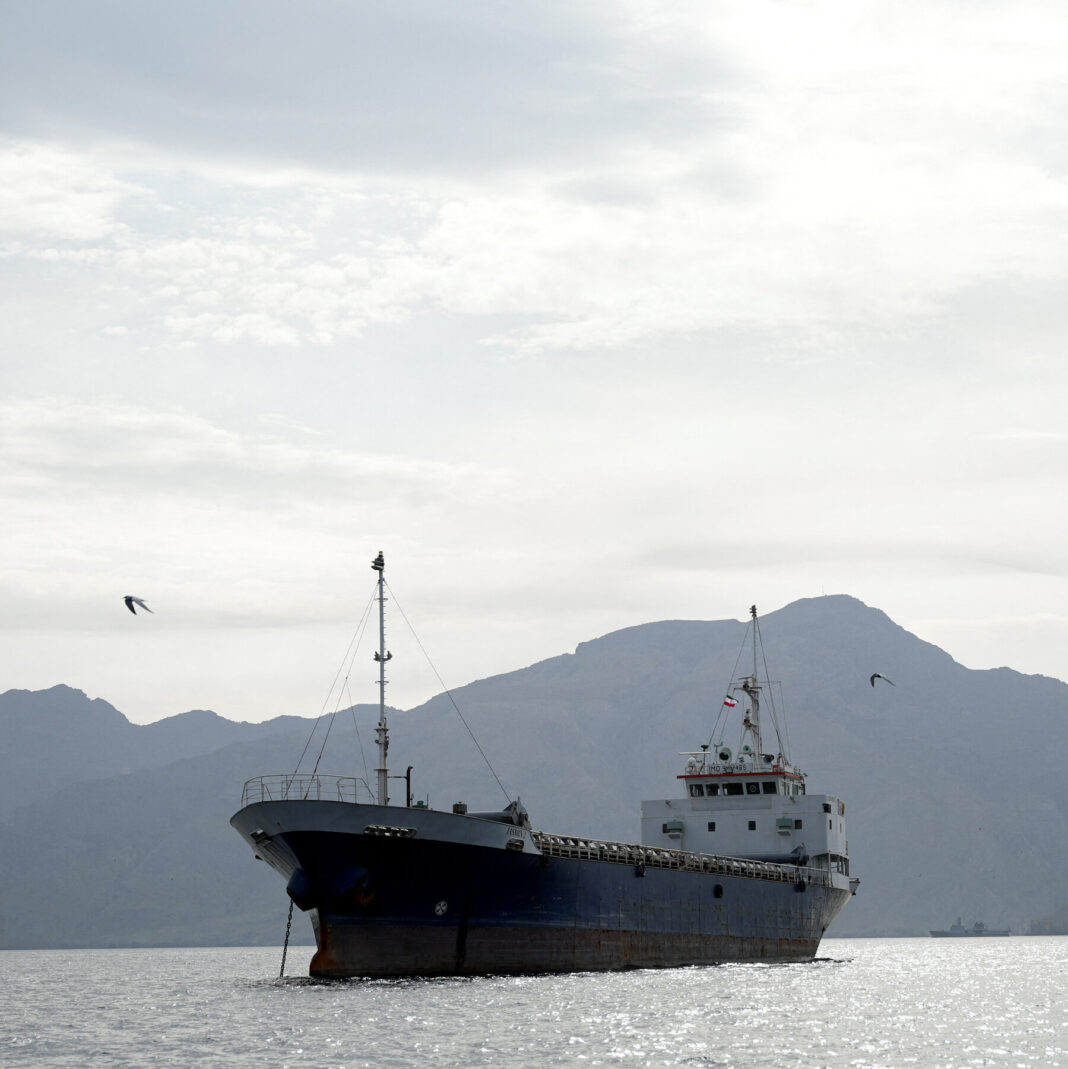
A potential U.S. blockade of Iran and the Strait of Hormuz remains largely undefined by military officials. The strategy is part of broader efforts to pressure Tehran into a new peace agreement. Specific operational plans have not been publicly disclosed.
Historical precedents and standard naval doctrine provide insight into possible actions. Such a blockade would likely involve a significant deployment of warships and aircraft. Their mission would be to monitor and restrict the flow of maritime traffic.
The Strait of Hormuz is a critical global chokepoint for oil shipments. Any disruption there could immediately impact global energy markets and prices. Securing this waterway would be a primary military objective.
Enforcement could range from boarding and inspecting vessels to more forceful measures. The legal authorities for such an action would be complex and contested. International reaction would be swift and likely negative from many allies.
The economic ramifications would extend far beyond the region. Insurance costs for shipping would skyrocket. Oil-dependent nations would face severe supply chain challenges.
A prolonged blockade could escalate into a broader military confrontation. Iranian forces have repeatedly demonstrated capability to harass shipping. The risk of miscalculation by either side would be high.
Ultimately, the specifics of any blockade depend on political decisions yet to be made. The operational blueprint remains classified. The world watches as strategic posturing continues.