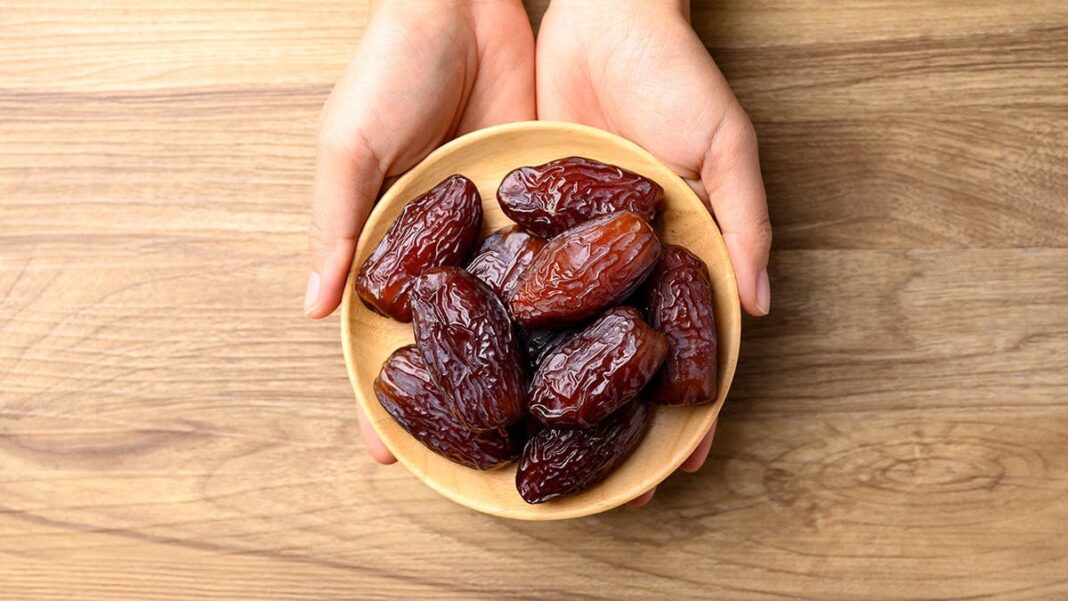
A dried fruit once cherished by ancient civilizations has reemerged as America’s go-to snack. Dates, cultivated for thousands of years in the Middle East, are now flying off grocery shelves across the United States. Their natural sweetness and chewy texture make them a versatile alternative to processed sugar-laden treats.
Consumer demand for whole, unprocessed foods has driven this resurgence. Dates require no additives—they are harvested, dried, and packed without preservatives. This simplicity appeals to health-conscious shoppers seeking clean labels and minimal ingredients.
Modern marketing has also played a role. Major brands now package date-based products like energy balls, snack bars, and syrups. Retailers report sales increases of over 20 percent in the past two years, according to industry data.
The fruit’s nutritional profile supports the trend. Dates are rich in fiber, potassium, and antioxidants. They provide quick energy without causing sharp blood sugar spikes seen in other sweet snacks.
Cooks and bakers have adopted dates as a sugar substitute. Pureed dates replace refined sugar in recipes for brownies, cookies, and smoothies. The fruit binds ingredients well, adding moisture and natural caramel flavor.
Supply chains have adapted to meet rising demand. Date farms in California’s Coachella Valley now produce nearly 90 million pounds annually, supplementing imports from Tunisia, Saudi Arabia, and Israel.
The shift reflects broader changes in American eating habits. Snack aisles are increasingly filled with foods that marry taste with traditional roots—and the ancient date has secured its place among them.