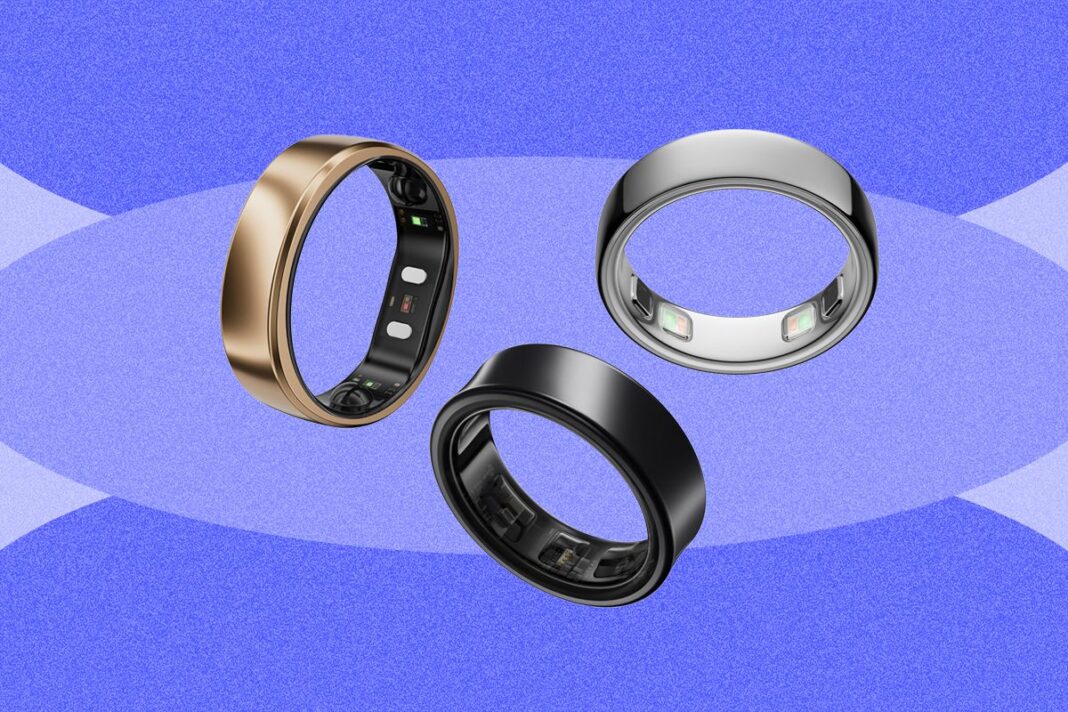
Smart rings have become a leading option for discreet fitness tracking in 2026. Their small size lets users monitor health data without a visible screen.
These devices sit on the finger and collect continuous readings. Heart rate, sleep quality, and activity levels are tracked throughout the day.
Wearable makers now compete to deliver accurate sensors in compact designs. The result is a growing market of rings built for everyday use.
Battery life remains a key factor for buyers. Most models last several days per charge, though usage patterns affect performance.
Comfort and fit matter as much as the technology. A well-sized ring stays secure during exercise and sleep without causing irritation.
Companion apps turn raw sensor data into readable insights. Users can review trends and adjust habits based on their results.
Smart rings suit people who prefer minimal wearables over watches. They offer a practical path to continuous health monitoring without extra bulk.