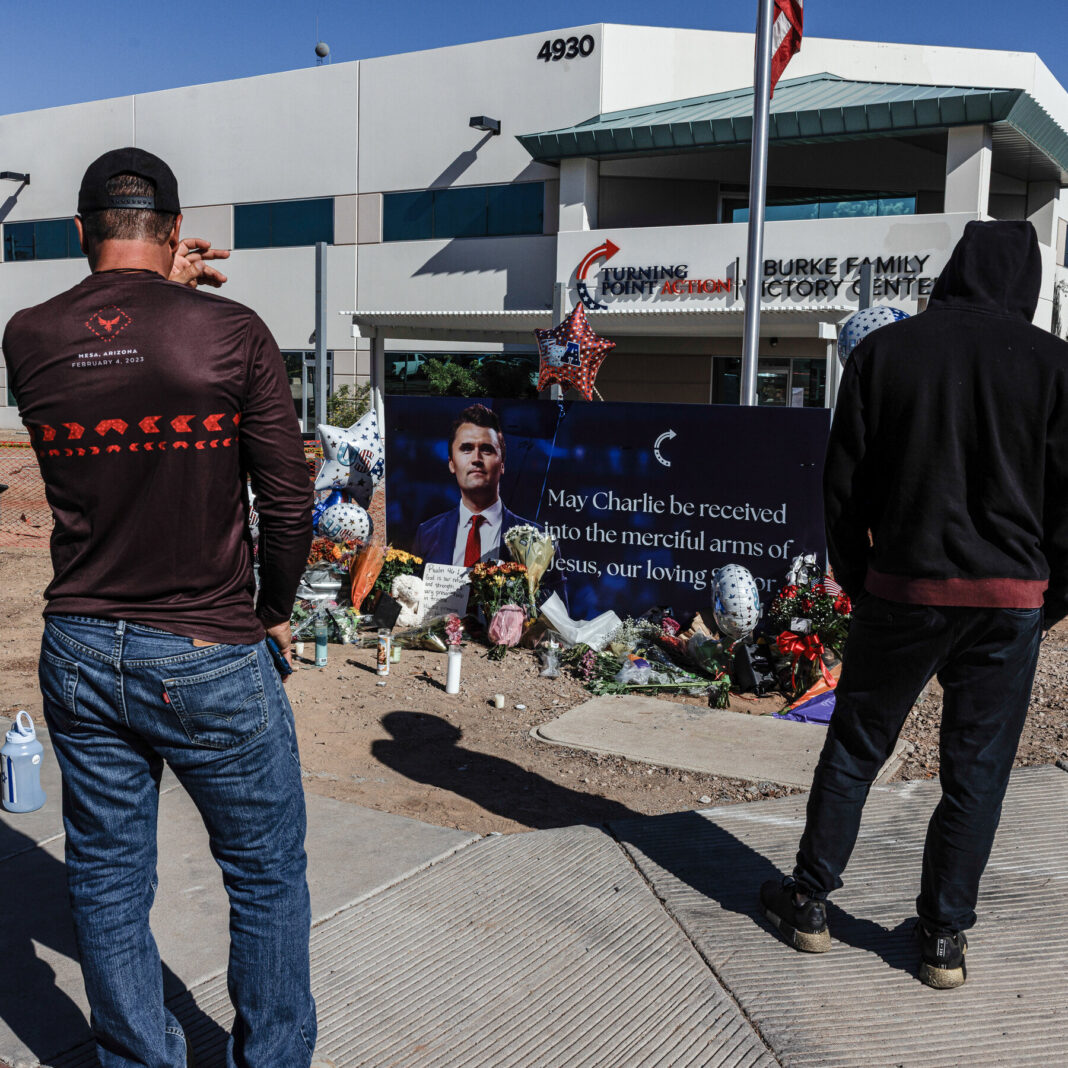
A year has passed since the killing of Charlie Kirk, the 31-year-old conservative youth leader. His death left a void in the movement he built. That movement has since splintered into competing factions.
Kirk founded Turning Point USA in 2012 to mobilize young conservatives on college campuses. He turned it into a national force with millions of followers and close ties to Republican politics. His personal brand drove much of that growth.
After his death, no single figure emerged to fill his role. Several former deputies now lead separate groups with different strategies. Some focus on grassroots organizing, while others prioritize media presence.
The fracture reflects deeper tensions within the conservative youth movement. Disagreements over tactics, funding, and messaging have widened since Kirk’s absence. Allies who once worked together now compete for influence.
Kirk’s widow, Erika, has taken a public role in preserving his legacy. She oversees some of his former ventures but does not command the same following. Her efforts have not unified the scattered factions.
Donors who funded Kirk’s operations have redirected money to new projects. Some back emerging influencers who mimic his style but lack his reach. This fragmentation has slowed coordinated campaigns on key issues.
Observers debate whether Kirk could have prevented the split if he were alive. His charisma and central authority held the coalition together. Without him, personal ambitions and ideological rifts have surfaced.
The movement’s future remains uncertain as it approaches the 2026 midterms. A divided youth vote could weaken conservative turnout. No clear successor has yet proven able to reunite Kirk’s base.