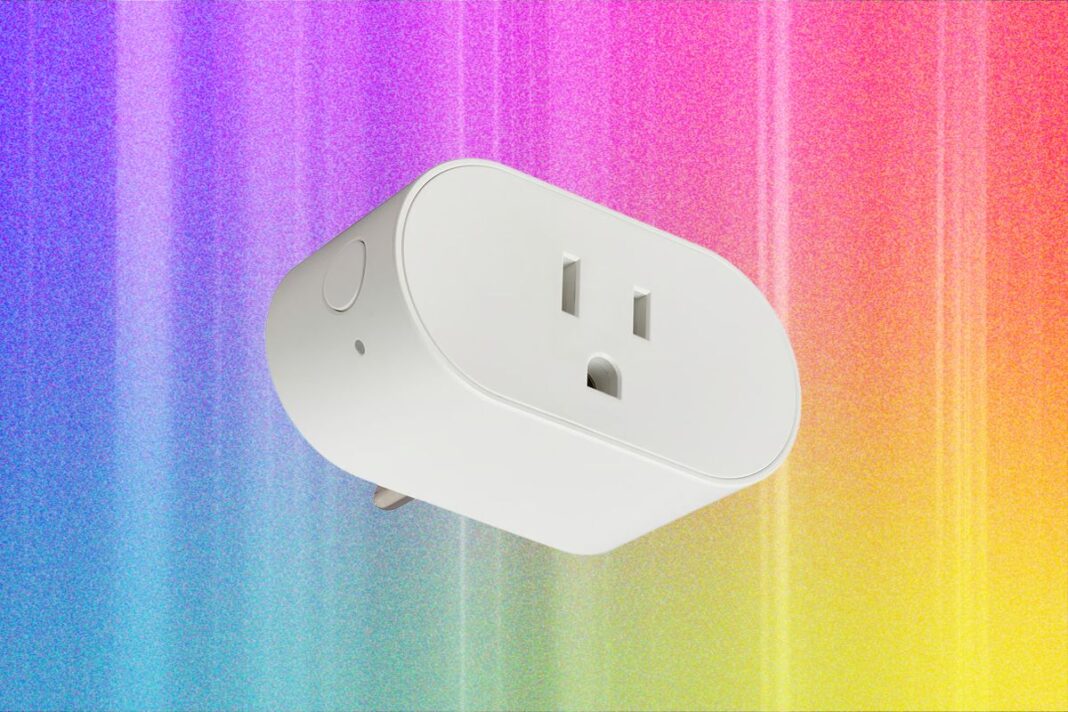
Smart plugs offer a simple way to add remote control to standard electrical outlets. These devices plug into an existing socket, allowing users to turn connected appliances on or off via a smartphone app or voice command. They are a popular entry point into home automation.
They excel at managing energy consumption for devices that often sit idle. A smart plug can automatically cut power to a coffee maker, television, or gaming console when not in use. This can lead to noticeable savings on electricity bills over time.
These devices are also ideal for scheduling lamps or fans. Users can program lights to turn on at sunset or a fan to run during the hottest part of the day. This adds both convenience and a layer of security for homes.
However, smart plugs are not suitable for every appliance. High-wattage devices like space heaters, air conditioners, or hair dryers can overload them. Always check the plug’s maximum power rating before use.
They also provide little benefit for appliances with their own internal clocks or complex cycles. A smart plug cannot control individual settings on a dishwasher or washing machine. It can only cut power entirely, which may interrupt a program.
For safety, avoid using smart plugs with medical equipment or any critical device where an accidental power loss could be dangerous. Reliability can vary with Wi-Fi stability, making them a poor choice for essential functions.
When selecting a smart plug, consider compatibility with your existing smart home ecosystem. Look for models that support common platforms like Amazon Alexa, Google Assistant, or Apple HomeKit. Energy monitoring features provide additional utility for tracking usage.