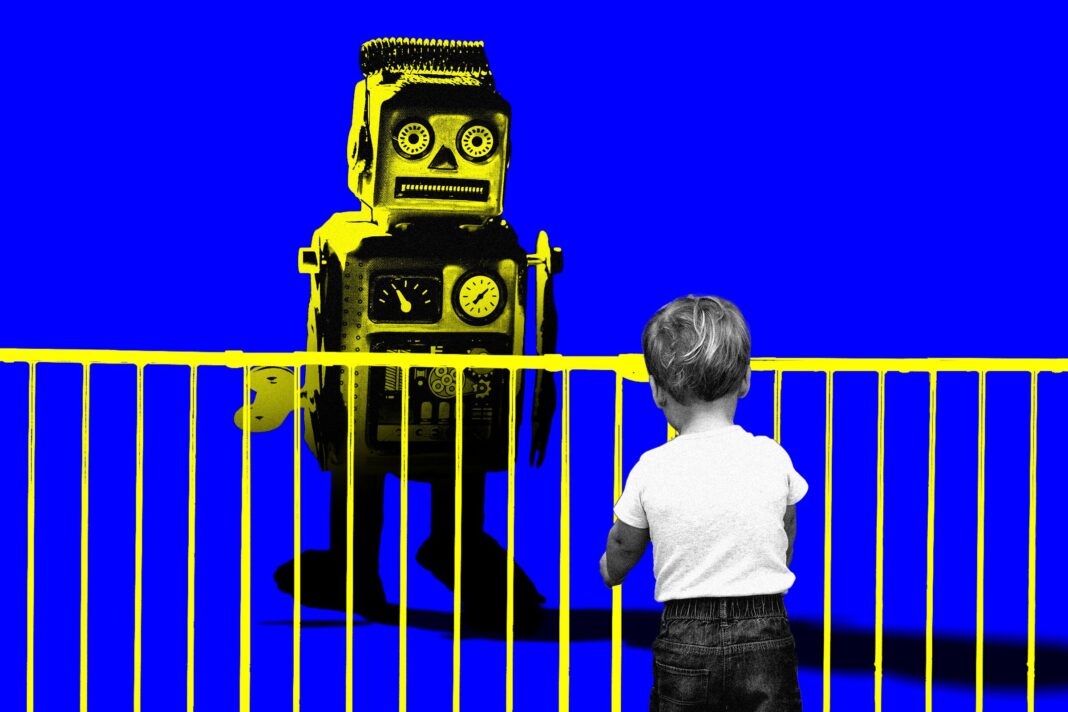
The European Union is advancing new rules to limit how minors interact with artificial intelligence chatbots. The proposal, known as the AI Kids Act, targets popular platforms including ChatGPT, Character.ai, and Snapchat’s My AI. Its goal is to remove features that make these chatbots engaging for young users.
The draft regulation reflects growing concern over how conversational AI affects children. Lawmakers point to emotional attachment, persuasive design, and data collection as primary risks. Platforms would face strict requirements before offering chatbot services to anyone under eighteen.
Under the proposed framework, minor-facing chatbots would lose features such as personalized responses and human-like personalities. Developers would need to disable memory functions that let bots recall past conversations. These changes aim to reduce the emotional bonds children form with AI companions.
Character.ai has drawn particular scrutiny for its roleplay-focused characters. Many of its users are teenagers who spend hours in fictional dialogues with bots. Snapchat’s My AI, embedded in a widely used messaging app, has raised similar concerns among regulators.
ChatGPT’s broad accessibility makes it another likely target. While OpenAI markets the tool for general use, minors can easily access it without parental consent. The AI Kids Act would require age verification and stricter default settings for younger users.
Industry groups argue the rules could limit educational benefits. Some developers say chatbots help children practice language skills and explore creative writing. Regulators counter that safety concerns outweigh these advantages without stronger safeguards.
The proposal still requires approval from EU member states and the European Parliament. If passed, companies would have a transition period to comply with the new standards. Enforcement would fall under existing digital safety regulations.
The AI Kids Act signals a broader shift in how governments view child-facing technology. Similar efforts are underway in the United States and United Kingdom. Tech firms now face mounting pressure to redesign chatbots with younger users in mind.