Warren Buffett has officially stepped down as chairman of Berkshire Hathaway. His exit follows his departure from the CEO role earlier this year. The move marks the end of an era for the conglomerate he built over decades.
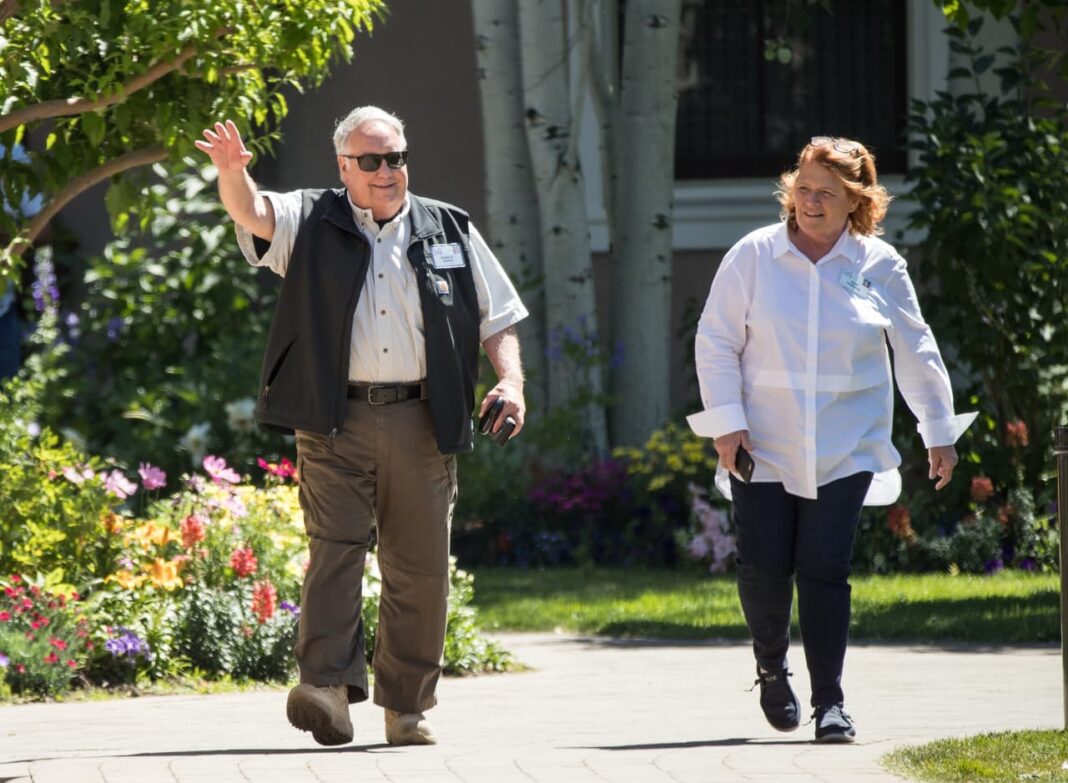
Buffett’s son, Howard Buffett, has been named the new chairman. The transition places a family member at the top of the company’s board. Howard has served on Berkshire’s board since 1993.
Warren Buffett remains Berkshire’s largest shareholder. He retains a significant stake in the company he transformed. His influence over major decisions is expected to continue behind the scenes.
Berkshire Hathaway grew from a struggling textile mill into a sprawling holding company. Buffett acquired control in 1965 and expanded into insurance, railroads, and energy. The company now owns dozens of subsidiaries, including GEICO and BNSF Railway.
The CEO position was handed to Greg Abel at the start of the year. Abel had long been seen as Buffett’s likely successor. His appointment signaled a planned leadership shift.
Howard Buffett’s new role focuses on preserving the company’s culture. He is not expected to manage day-to-day operations. That responsibility stays with Abel and the existing management team.
Investors have watched the succession closely for years. Berkshire’s stock has remained stable through the transition. Analysts say the company’s decentralized structure limits disruption from leadership changes.
Warren Buffett, now 94, has not announced plans to sell his shares. He has said his stake will eventually go to charitable causes. The company’s future will test whether his long-term strategy can outlast him.