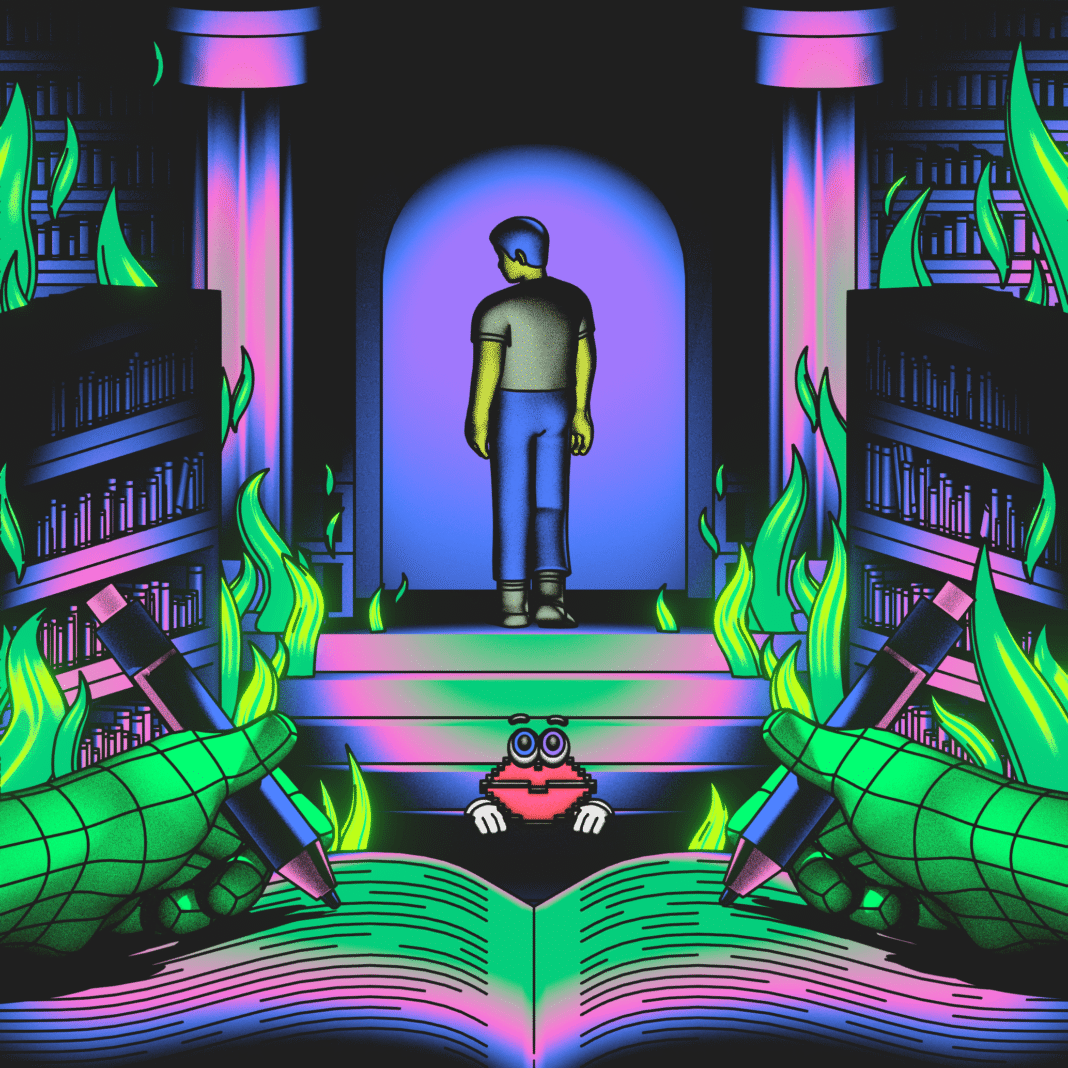
The article suggests that the era of traditional programming may be ending. It frames this as a final reflection on the craft of coding. The piece carries a somber, reflective tone about the future of software development.
Advances in artificial intelligence are reshaping how software gets built. Tools can now generate code with minimal human input. This shift raises questions about the role of programmers in the years ahead.
The author describes the article as a last word on coding as a craft. It reads as both a farewell and a warning. The message implies that change is arriving faster than many expect.
Automation has already taken over routine coding tasks. Machine learning models now write functional code from plain instructions. The barrier between idea and working software keeps getting lower.
This does not mean programming skills become worthless overnight. Understanding systems and solving problems still matters. But the daily work of writing code may look very different.
The article reflects a broader anxiety across the tech industry. Workers wonder which skills will remain valuable. The pace of change leaves little time for comfortable answers.
Readers are left to consider what comes next for the craft. The closing line treats the piece as a final statement on coding. It invites reflection on how quickly a profession can transform.