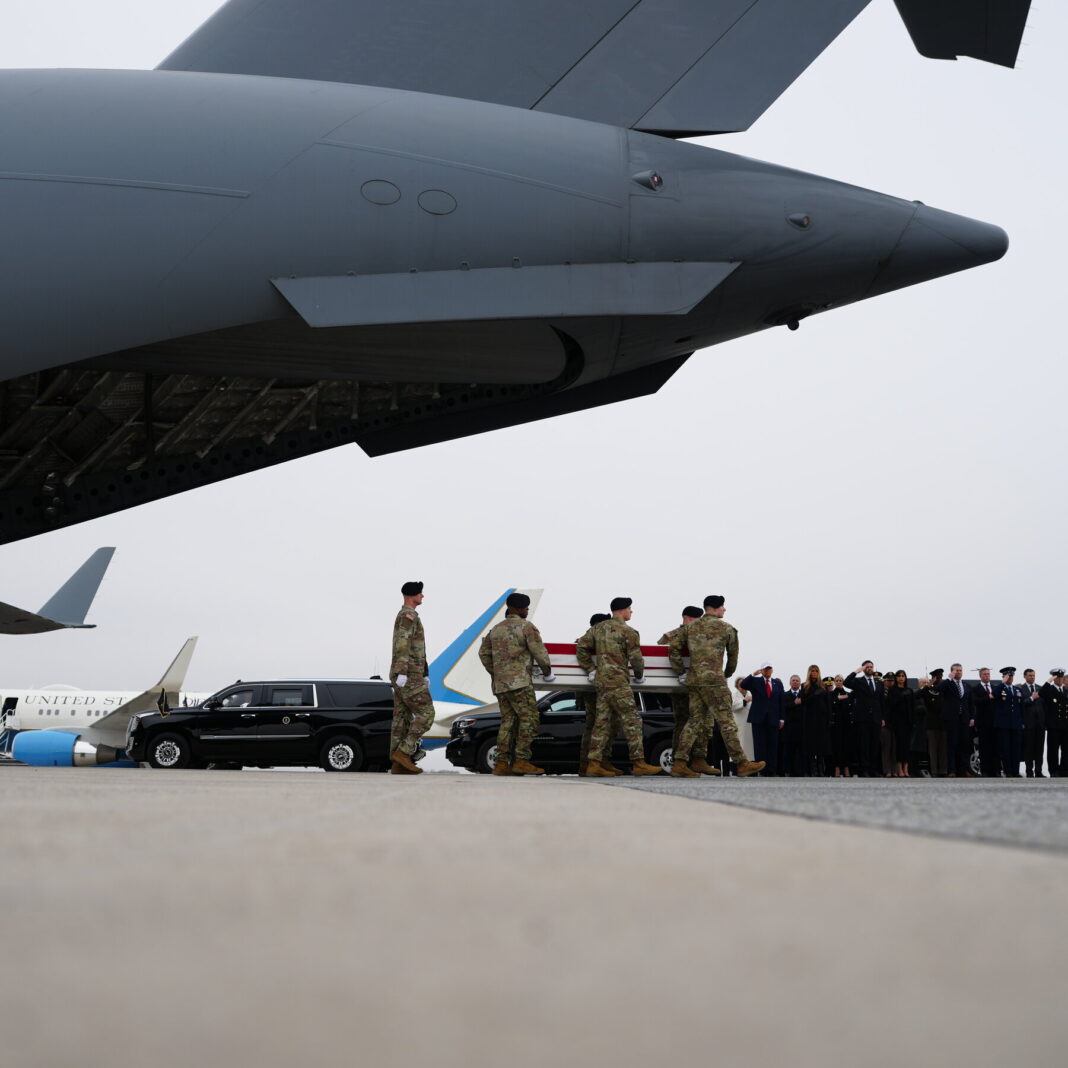
The human toll and economic costs of the war with Iran have escalated sharply since the United States and Israel launched attacks on Feb. 28.
Thousands of lives have been lost in the conflict, with casualties spanning military personnel and civilians across multiple nations. The fighting has displaced large populations, creating a humanitarian crisis that continues to worsen.
The financial burden of the war has reached hundreds of billions of dollars. Military operations, equipment, and logistics have driven up spending for the U.S. and its allies, straining national budgets.
Iran has suffered extensive damage to its infrastructure, including military sites, energy facilities, and transportation networks. Reconstruction costs are expected to run into the tens of billions, with no clear timeline for recovery.
The broader economic impact extends beyond direct war costs. Global oil prices have spiked, disrupting markets and contributing to inflation worldwide. Trade routes in the Persian Gulf have faced disruptions, further unsettling the global economy.
International sanctions and diplomatic fallout have added layers of complexity to the conflict. The war has deepened regional instability, with neighboring countries affected by spillover violence and refugee flows.
Efforts to negotiate a ceasefire or peace settlement have stalled repeatedly. The absence of a clear end to hostilities suggests the financial and human costs will continue to climb in the months ahead.