The Iran war is pushing countries to prioritize domestic energy in order to protect themselves from volatile oil and natural gas markets.
Nations that rely heavily on energy imports are now accelerating their shift toward self-sufficiency. Governments are investing in renewable energy, nuclear power, and local fossil fuel production to reduce exposure to global supply disruptions. The conflict has highlighted the risks of depending on foreign oil and gas.
Energy prices have surged since the outbreak of hostilities, straining economies worldwide. Import-dependent countries face higher costs for electricity, transportation, and manufacturing. This has spurred urgent policy changes aimed at securing alternative energy sources.
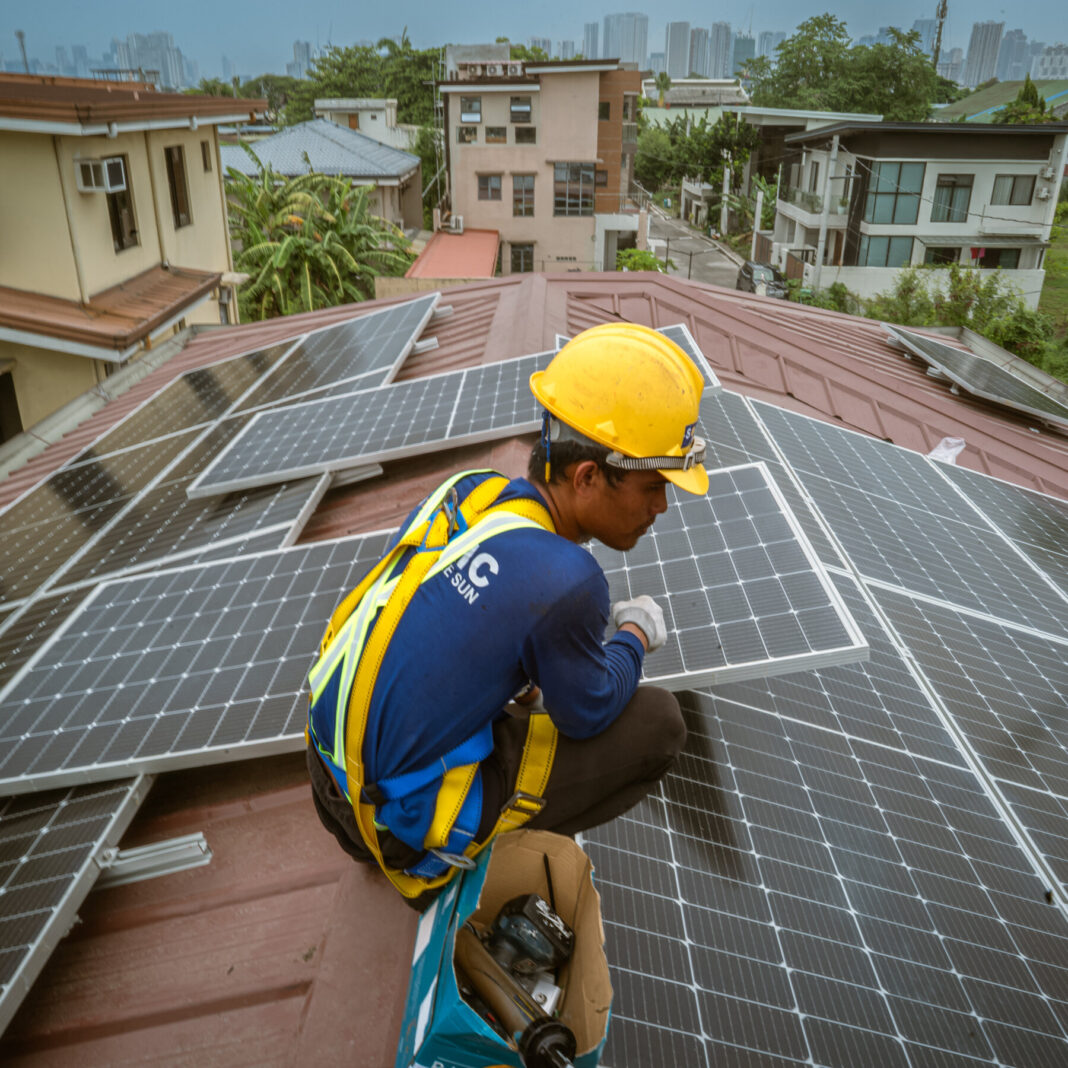
Solar and wind projects are receiving record levels of funding and regulatory support. Countries are also expanding battery storage and grid modernization efforts to handle intermittent renewable power. These moves aim to create more resilient energy systems.
Nuclear energy is seeing a revival in several nations as a stable, low-carbon alternative. Some governments are extending the life of existing plants or planning new reactors. This shift reflects a broader desire for reliable, domestically controlled power generation.
Domestic oil and gas drilling is also increasing in regions with untapped reserves. However, this approach faces environmental opposition and long lead times. The immediate focus remains on technologies that can be deployed quickly, such as solar panels and wind turbines.
Energy efficiency programs are gaining traction as a cost-effective way to reduce import dependence. Countries are offering incentives for upgraded insulation, efficient appliances, and electric vehicles. These measures cut overall energy demand while bolstering national security.
The long-term effects of this inward turn remain uncertain. Analysts warn that the transition may be uneven, with poorer nations struggling to finance new energy infrastructure. The war is reshaping global energy trade, forcing every importing country to rethink its strategy.