America’s most productive oil field, the Permian Basin in West Texas, is facing a growing challenge with natural gas. So much gas accumulates alongside oil that producers struggle to give it away.
The excess gas is a byproduct of oil drilling in the region. When operators extract crude, natural gas often rises to the surface and must be captured or disposed of.
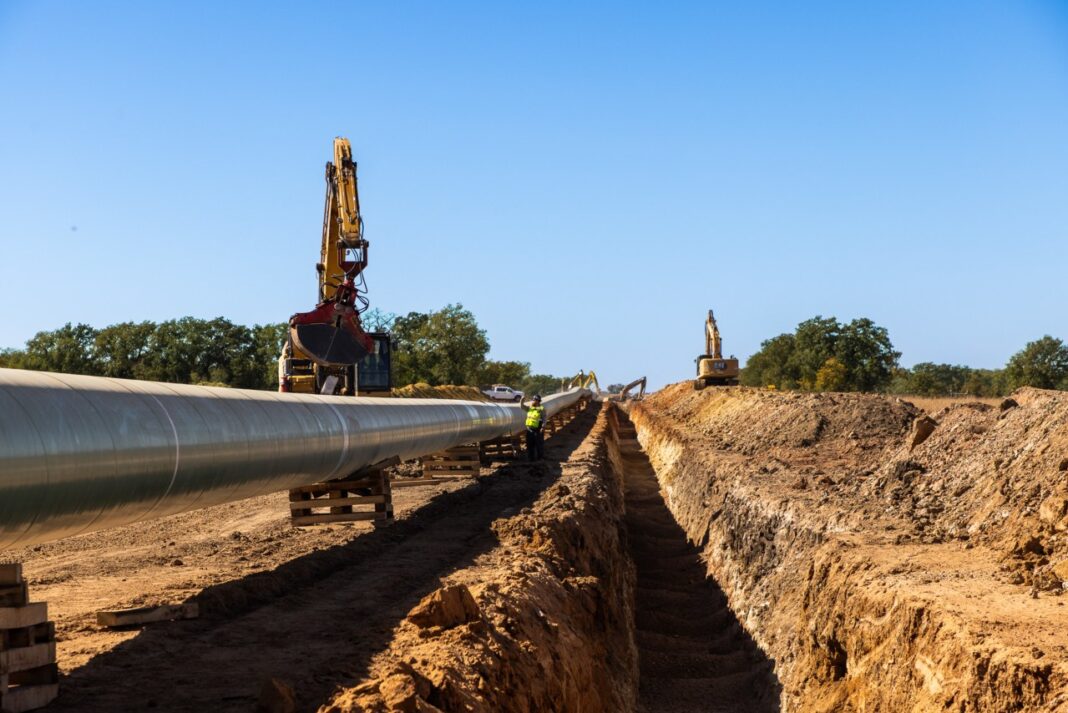
Infrastructure to transport, store, or process this gas remains limited. Pipelines and processing plants in the Permian have not kept pace with the surge in production.
As a result, some companies resort to flaring or venting the gas, a practice that wastes resources and raises environmental concerns. Regulatory pressure has increased to limit such emissions.
The state of Texas has implemented rules to reduce flaring, but enforcement remains a challenge. Producers face fines if they fail to capture a minimum percentage of gas.
The oversupply also pressures natural gas prices, which have stayed low for years. This financial strain discourages investment in new pipeline projects.
Meanwhile, demand for natural gas in other regions has not offset the Permian’s output. The disconnect between supply and infrastructure creates a persistent imbalance.
Operators are exploring solutions, such as building more pipelines or developing gas-to-liquids technology. But these efforts take time and substantial capital.
Until the infrastructure catches up, the Permian’s natural gas problem will continue. The field’s oil bounty comes with an unwanted and challenging side effect.