Progressives are facing significant financial disadvantages and receiving minimal backing from the Democratic Party establishment. Their recent strategies demonstrate an alternative path to electoral success that relies on grassroots organization rather than major funding.
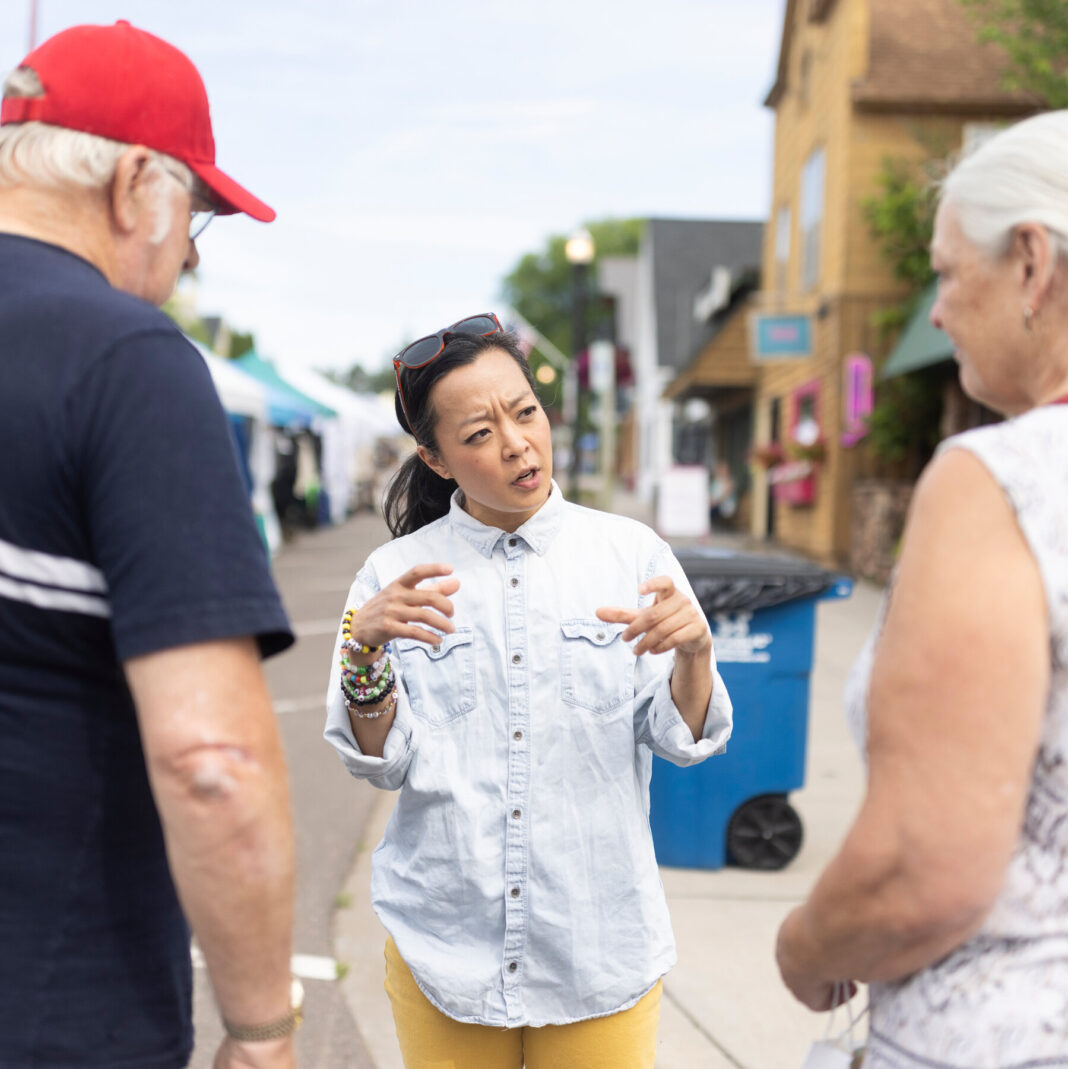
The approach centers on intensive local engagement, prioritizing door-to-door canvassing and direct community outreach over expensive advertising campaigns. Organizers report that personal conversations with voters build trust more effectively than television spots or digital ads.
This ground game focuses on identifying specific neighborhood concerns and tailoring messages to address those issues directly. Candidates are trained to listen actively during interactions, using feedback to refine their policy positions and communication styles.
Volunteer networks serve as the backbone of this operation, with supporters committing to repeated visits and follow-up calls. The model emphasizes consistency and relationship-building, tracking interactions meticulously to ensure no potential voter is overlooked.
Despite limited resources, the strategy has shown measurable results in recent races. Progressive candidates have outperformed expectations in areas where organizers established sustained presence months ahead of Election Day.
The lack of institutional support has forced a leaner operation, free from top-down directives. This autonomy allows for rapid adjustments based on real-time voter response, a flexibility that larger campaigns often lack.
Comparisons to traditional Democratic efforts highlight a stark contrast. Well-funded campaigns rely on data analytics, while this playbook depends on human judgment and organic community ties.
Fundraising remains a challenge, but small-dollar donations and in-kind contributions from supporters offset some costs. Local unions and advocacy groups provide additional logistical assistance without compromising the message.
The success suggests that financial might does not solely determine political outcomes. In an era of declining trust in institutions, personal connection may carry more weight than dollars spent.
Critics question whether the model can scale beyond progressive strongholds. Organizers counter that the principles of listening and persistence apply universally, regardless of district demographics.
The long-term implications for the broader left are substantial. If these methods continue to yield results, the reliance on national party machinery could diminish, shifting power to local chapters.
For now, the playbook remains a work in progress, refined through trial and error. Its practitioners view each race as a learning opportunity, adapting the framework to meet evolving challenges.
The contrast with conventional politics is clear: one side bets on visibility, the other on presence. The outcomes may ultimately reshape how progressive movements approach elections nationwide.