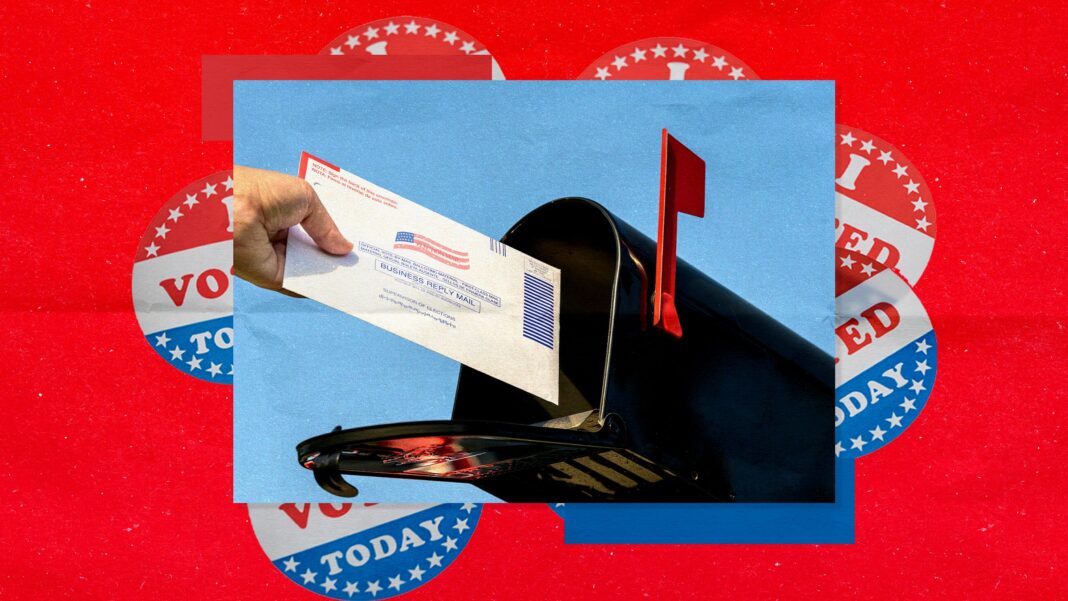
The Supreme Court has cleared a major obstacle for the Trump administration’s efforts to tighten voting restrictions. The ruling removes a prior legal barrier that had blocked certain measures. This decision directly impacts how mail-in ballots will be handled in the upcoming midterm elections. Election officials now face a complex and uncertain path forward. The ruling shifts the balance of power in ongoing legal disputes over election procedures.
The case centered on a challenge to restrictive voting rules in a key state. Lower courts had previously blocked the changes, citing concerns about voter access and potential disenfranchisement. The Supreme Court’s intervention reverses that stance, allowing the restrictions to take effect immediately. This action comes without a full hearing on the merits of the case. Legal experts note that such emergency rulings often signal the court’s likely final position.
The practical consequences for voters are significant. Mail-in ballots that were previously accepted may now be rejected under stricter signature and deadline requirements. Election administrators have little time to update their systems and train staff. Confusion is likely among voters who have already requested or submitted ballots. The ruling creates a patchwork of rules that vary sharply from state to state.
Proponents of the restrictions argue they are necessary to prevent voter fraud. They point to the need for consistent standards across all voting methods. However, evidence of widespread fraud in mail-in voting remains scarce. Studies have shown that such fraud is exceedingly rare in practice. The administration has repeatedly cited unproven allegations to justify its actions.
Critics warn that the ruling could lead to long lines and disqualified ballots. They argue that the timing of the decision, so close to Election Day, is deliberate. The changes introduce uncertainty that could suppress turnout among certain demographics. Minority and low-income voters are often more reliant on mail-in options. These groups may bear the brunt of the new restrictions.
The decision also raises questions about the Supreme Court’s role in election matters. Justices have previously emphasized the importance of avoiding last-minute changes to voting rules. This ruling appears to contradict that principle. Dissenting justices called the move reckless and dangerous. They noted that the court provided no detailed reasoning for its decision.
Several states are already preparing legal responses to the ruling. Some are seeking clarification from lower courts on how to apply the new standards. Others are considering emergency appeals to limit the impact. The situation remains fluid, with new filings expected in the coming days. Election officials are urging voters to double-check their ballots before submitting them.
The midterm elections will serve as a real-world test of these new rules. The outcome could influence how future elections are conducted nationwide. Legal challenges are likely to continue even after the votes are counted. The ruling marks a significant shift in the legal landscape around voting rights. Its full consequences will not be known until after the polls close.