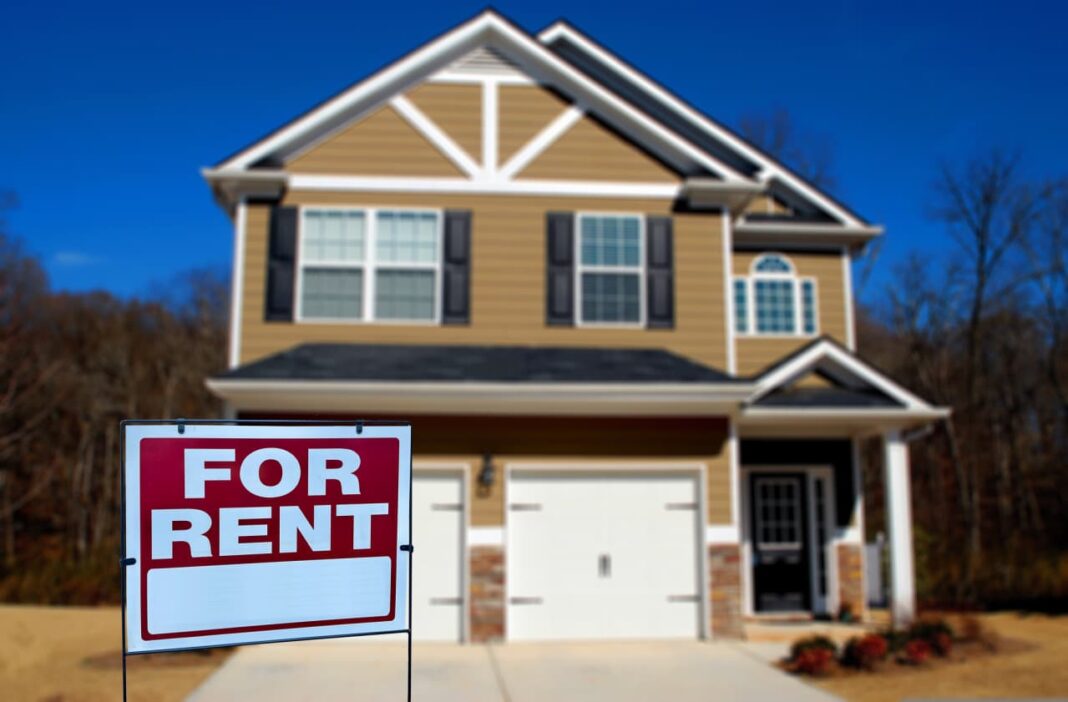
Rental property is often promoted as a reliable income source for retirees. The reality involves far more work than most people expect. Managing tenants requires time, money, and constant attention.
Many retirees view real estate as a passive investment. Property management rarely works that way in practice. Repairs, vacancies, and late rent payments demand immediate responses.
Owning rental property means running a small business. Landlords must handle leases, inspections, and legal compliance. These tasks can overwhelm those seeking a quiet retirement.
Unexpected expenses frequently cut into retirement budgets. A broken furnace or roof replacement can cost thousands of dollars. Retirees on fixed incomes feel these shocks more acutely.
Tenant turnover creates additional financial strain. Each vacancy brings lost rent and turnover costs. Finding reliable new tenants takes weeks or months of effort.
Some retirees hire property managers to reduce their workload. Management fees typically range from eight to twelve percent of rent. This reduces profits and still leaves owners responsible for major decisions.
Rental income can supplement retirement savings when managed carefully. Success requires realistic expectations and sufficient cash reserves. Prospective landlords should assess their health, skills, and patience first.
Real estate remains a viable option for some retirees. It is not a hands-off investment or a guaranteed path to easy income. Careful planning determines whether it helps or harms retirement security.