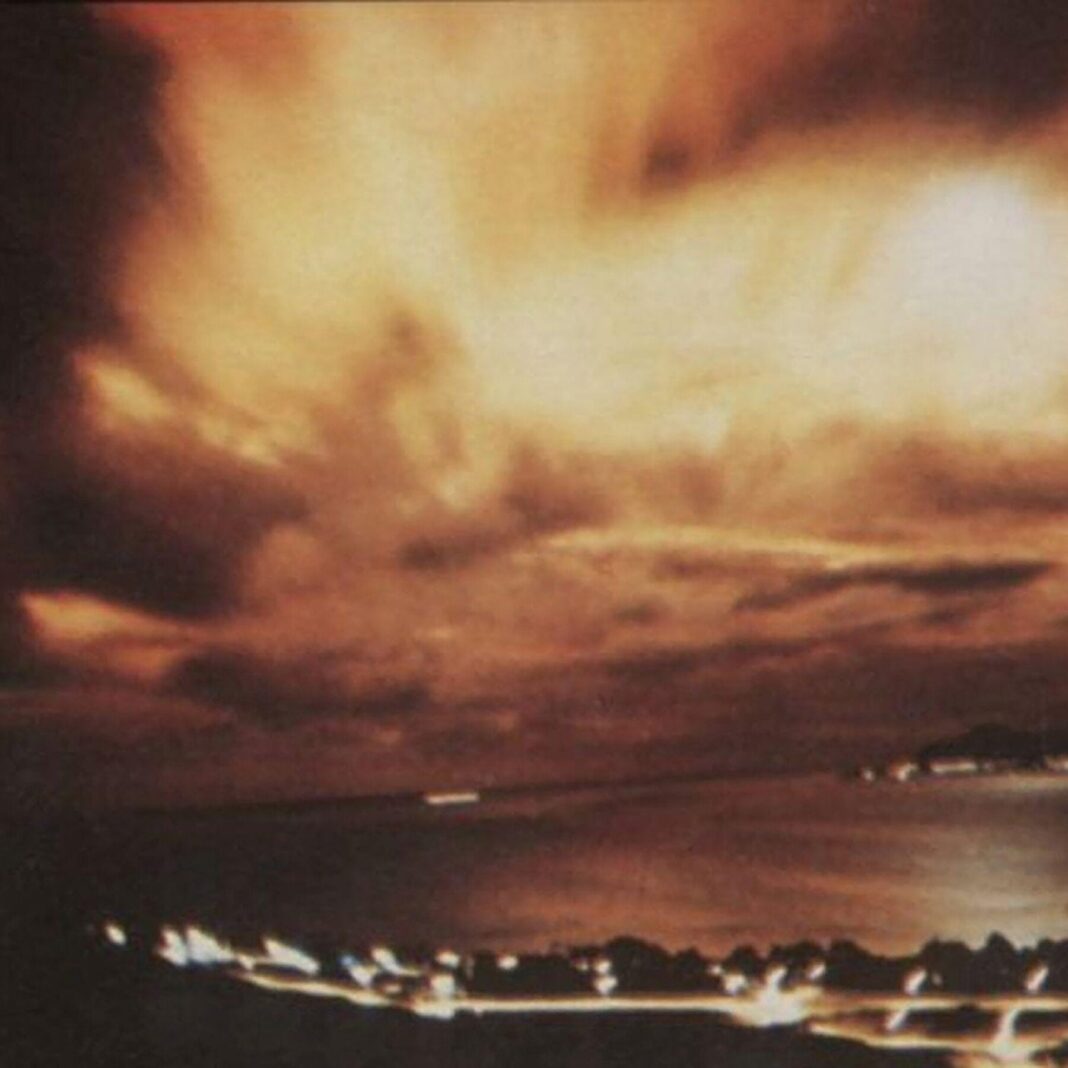
For years, conservative activists promoted a dramatic claim about nuclear weapons. They argued that one atomic bomb could cripple the United States without directly killing anyone. This idea centered on a high-altitude electromagnetic pulse, or EMP. The blast would destroy electronics and power grids across the country.
Top officials in the Trump administration amplified these fears. They warned that adversaries like Iran or North Korea could launch such an attack. The officials used the threat to justify aggressive foreign policy. Their statements stirred public anxiety about a hidden vulnerability.
An EMP occurs when a nuclear weapon detonates high in the atmosphere. The explosion releases bursts of electromagnetic energy. These pulses can overload transformers, communications systems, and computer networks. The result would be widespread blackouts and chaos.
Scientists and security experts have long debated the real risk. Some studies show that a single bomb could cause significant damage. Others argue the effects would be less severe than activists claim. The uncertainty has fueled political arguments for decades.
Conservative groups seized on the EMP scenario to build support for war with Iran. They framed the threat as an existential danger. This narrative helped push for tougher sanctions and military options. It became a rallying cry for hardline policies.
Trump administration officials echoed these warnings in public remarks. They cited EMP attacks as a reason to withdraw from nuclear deals. The rhetoric intensified tensions with Iran and other nations. Critics said the officials exaggerated the threat for political gain.
The EMP debate continues to shape national security discussions. Lawmakers have proposed bills to protect the power grid. Some measures focus on hardening infrastructure against pulses. Others call for more research on the actual risks.
Experts urge a balanced approach to the EMP threat. They caution against panic-driven policies that could lead to unnecessary conflict. At the same time, they acknowledge the need to safeguard critical systems. The challenge is to separate real dangers from inflated fears.