Washington and Tehran face a fundamental hurdle in nuclear talks: both sides insist on claiming victory from any agreement. Each government must sell a potential deal as a clear win for its domestic audience.
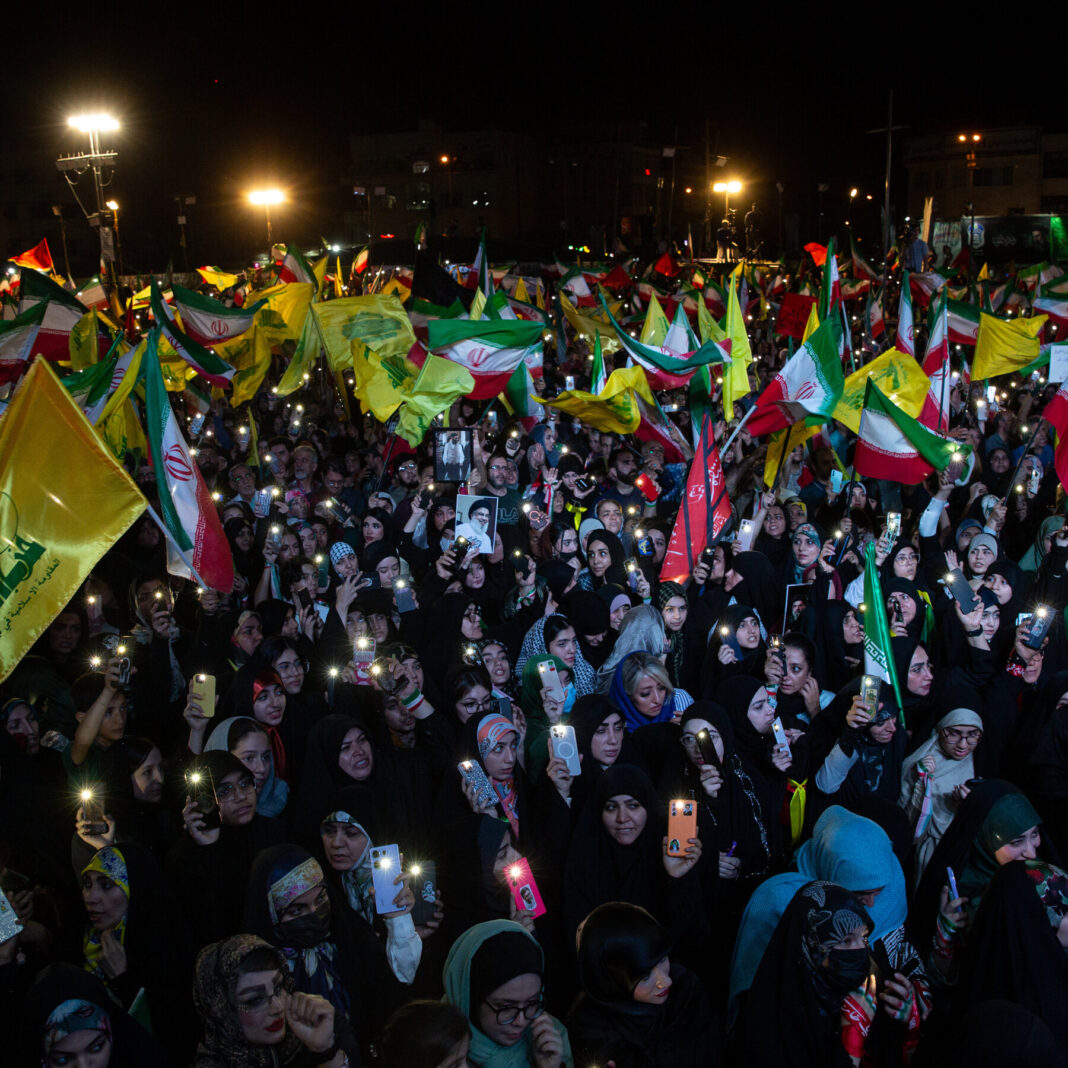
Iran’s leadership approaches negotiations with demands that often frustrate mediators. The Iranian supreme leader has taken a hard line, signaling that any compromise could weaken his position internally.
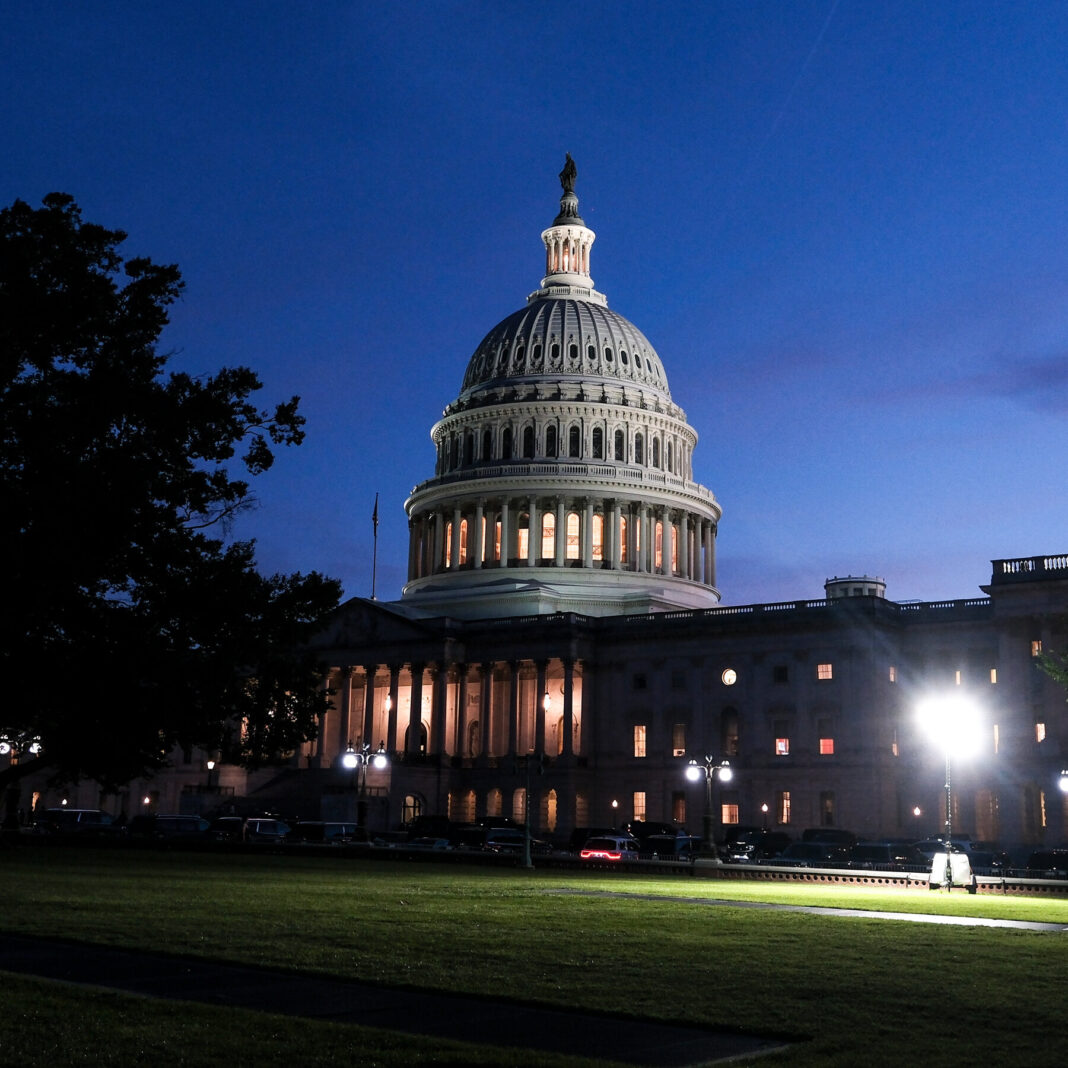
On the American side, the U.S. administration also needs to present a deal as a triumph against Iranian aggression. The U.S. president has emphasized strength in diplomacy, making it difficult to accept terms that appear conciliatory.
The conflicting narratives complicate the bargaining process. Mediators struggle to find language that allows both leaders to save face while making real concessions.
Both sides view the talks as a zero-sum game where one side’s gain is the other’s loss. This mindset prevents creative compromises that could break the deadlock.
Public statements from each capital reinforce the demand for victory. Hardliners on both sides amplify expectations, reducing room for flexibility.
The desire to win may ultimately stall the negotiations. Until both leaders can accept a shared outcome short of total victory, the talks risk collapsing.