European cities struggling with overtourism are simultaneously expanding their airports. Venice, Barcelona, and Mallorca are pushing ahead with terminal upgrades and runway extensions.
These projects conflict with local efforts to limit tourist numbers. New capacity typically translates into more flights, more arrivals, and added pressure on housing and infrastructure.
Venice has spent years trying to manage visitor flows through entry fees and cruise ship restrictions. Yet nearby airport expansion plans could bring in thousands of additional passengers each day.
Barcelona residents have protested rising rents and crowded neighborhoods. The city’s airport, however, is moving forward with a major expansion designed to handle more long-haul flights.
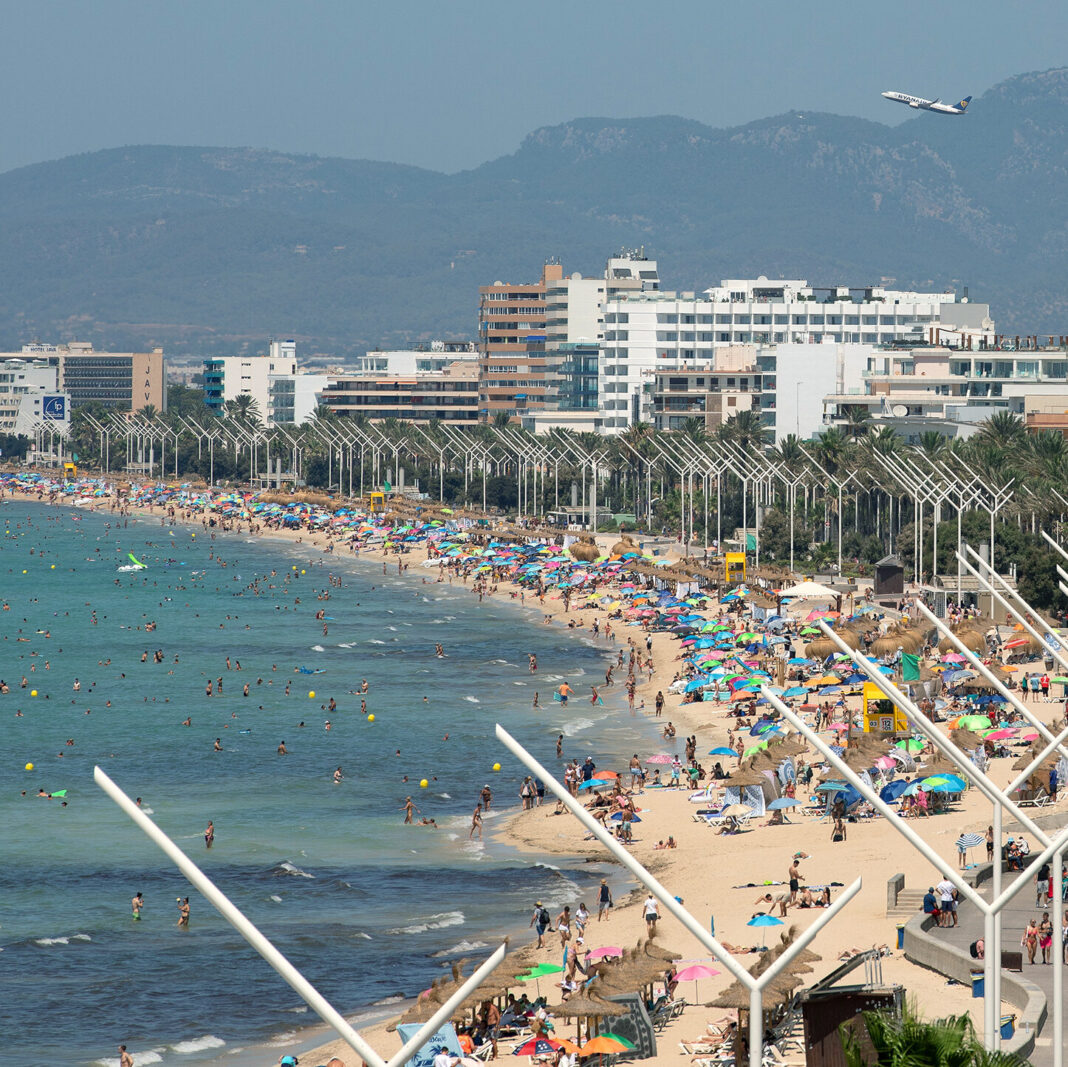
Mallorca has become a flashpoint for anti-tourism sentiment. Local groups argue that the island is already at capacity during peak months. Airport growth sends the opposite signal.
Airport operators often cite economic benefits, including jobs and regional connectivity. Critics say those gains come at a cost that residents increasingly refuse to accept.
The contradiction highlights a deeper problem. Tourism policy remains fragmented, with local governments limiting visitors while national and regional authorities approve infrastructure that increases them.