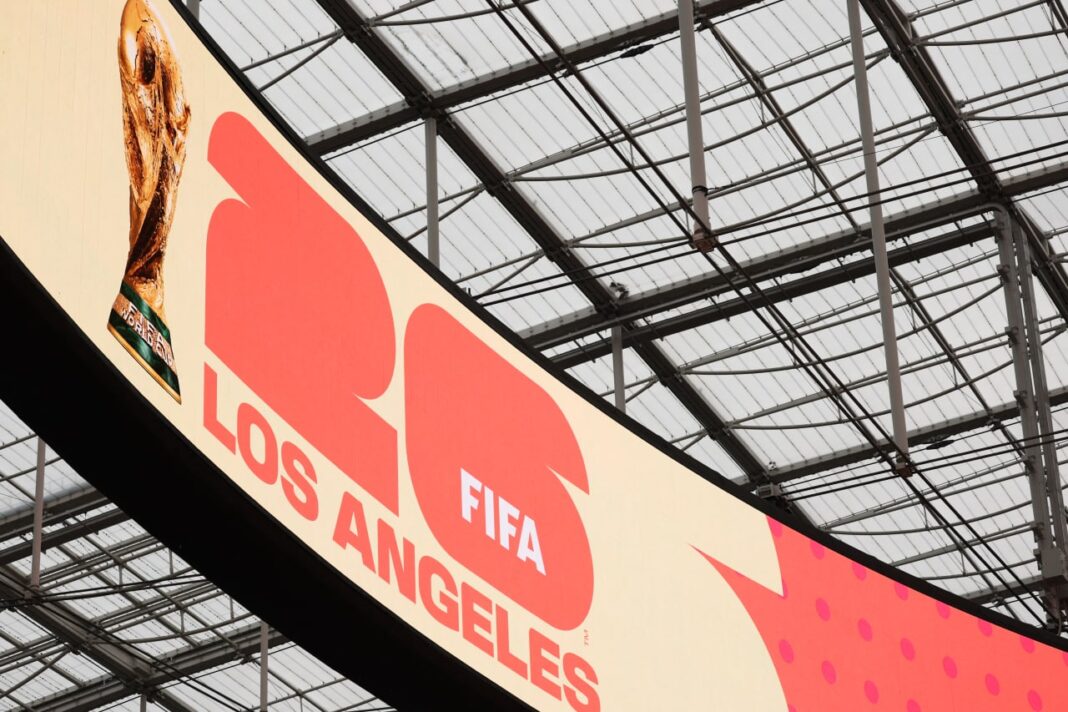
The World Cup will run from June 11 to July 19, with matches held in cities across the U.S., Canada, and Mexico. Tickets went on sale in October, with some already selling for as much as $10,000.
The cheapest options to see the U.S. team currently cost around $1,640. Despite these high prices, the tournament is not expected to match the economic impact of Taylor Swift’s recent concert tour.
Swift’s Eras Tour generated billions in consumer spending across multiple countries. Analysts note that her fan base shows a higher willingness to travel and spend on related expenses.
In contrast, World Cup ticket demand has been slower for some early-round games. Hospitality and travel sectors will still benefit, but not at the same scale.
Local economies in host cities will see a boost from tourism and hotel bookings. However, the overall spending per attendee is projected to be lower.
The World Cup remains a significant global event, attracting massive television audiences. But the live event spending landscape has shifted in favor of major music acts.
This trend highlights changing consumer priorities in entertainment. Fans increasingly value highly personal, experience-driven events over traditional sporting spectacles.