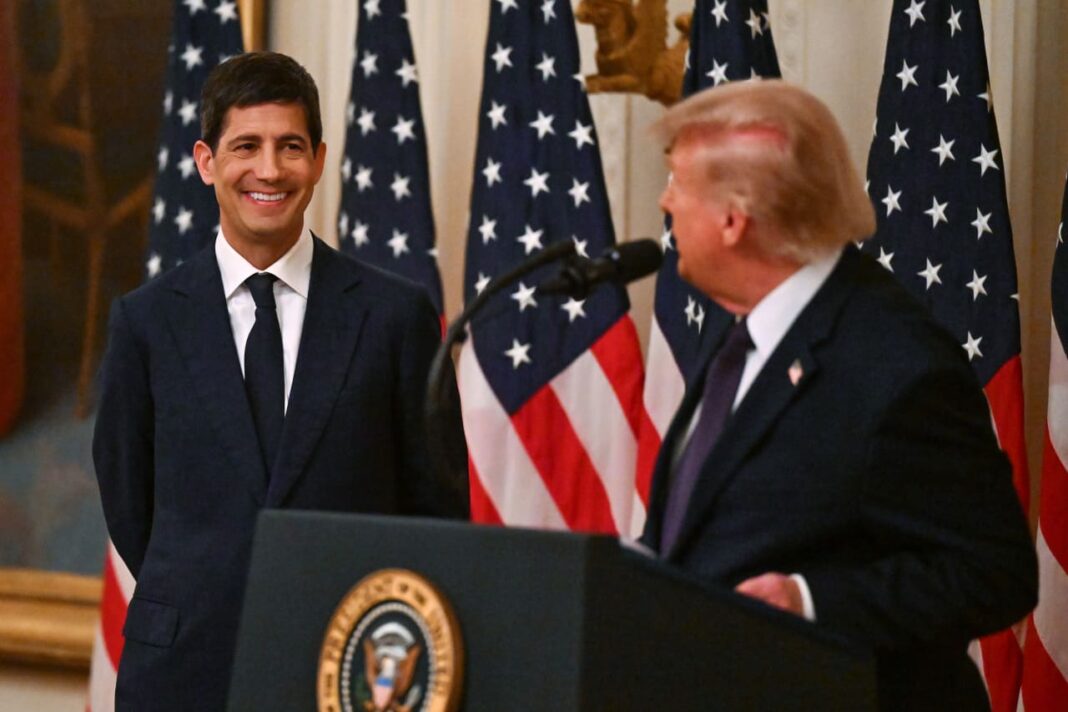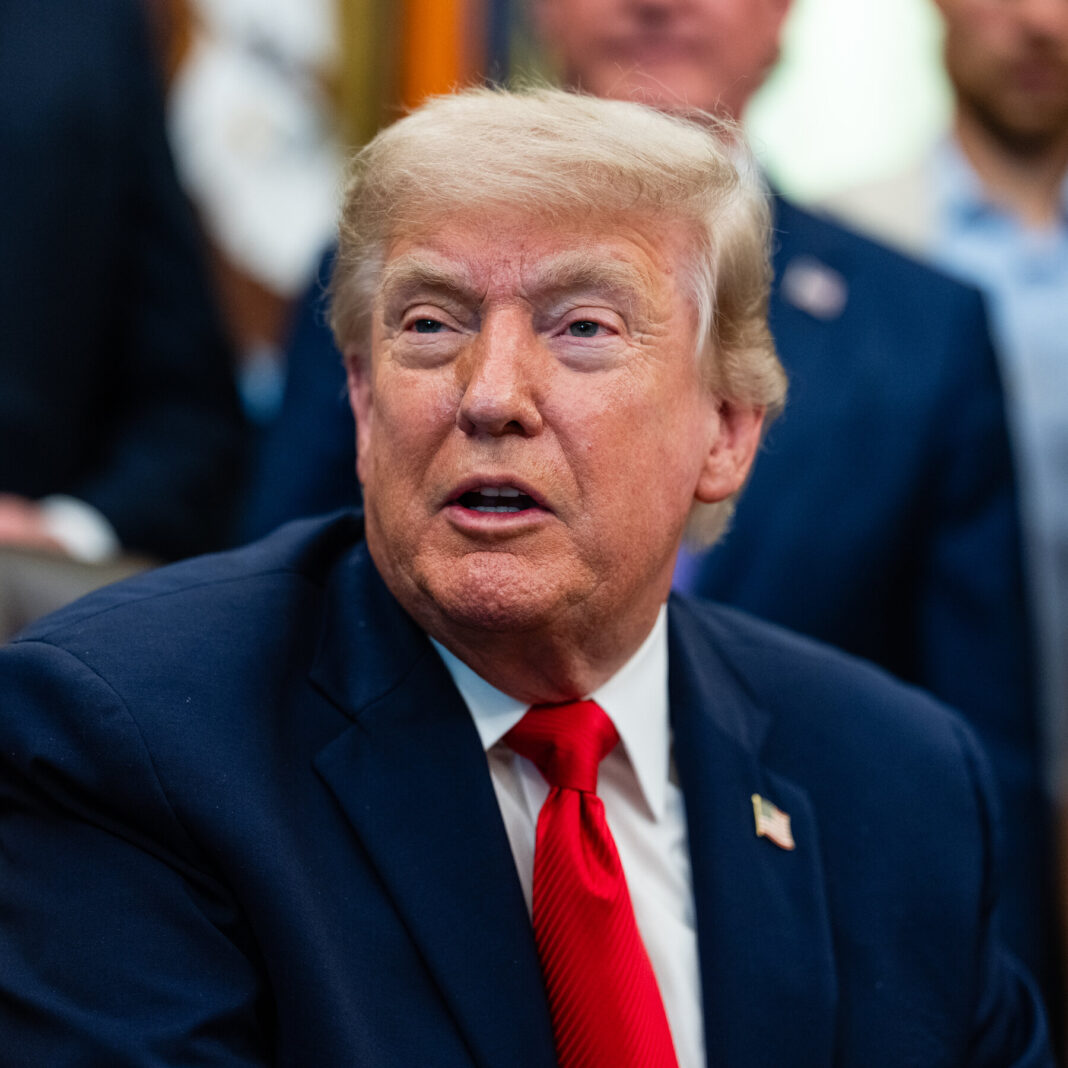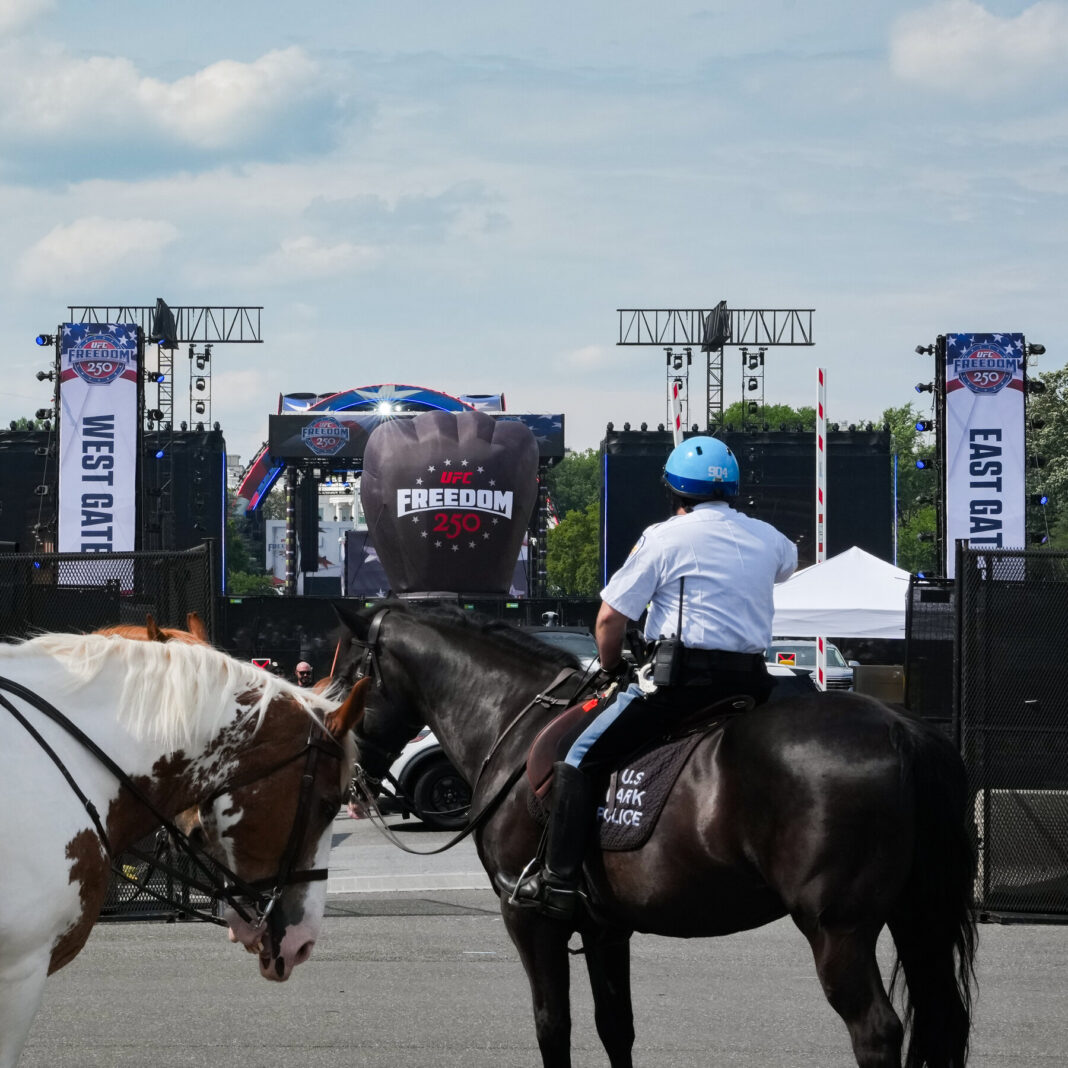
Former President Donald Trump attended a U.F.C. event over the weekend, an appearance that comes at a time when his support among young men—once a reliable base—shows signs of weakening. The gathering drew attention from both parties, with some Republicans viewing it as a strategic political opportunity ahead of the midterms.
The event, held on Sunday, featured high-profile fights and attracted a largely male, younger audience. Trump’s presence was intended to reinforce his connection with this demographic, which had been a cornerstone of his previous electoral success.
Some Republican strategists see the appearance as a way to re-engage voters who have drifted away. They argue that the U.F.C. crowd represents a key segment of the electorate that could be swayed by cultural alignment rather than policy specifics.
Democrats, however, dismissed the event as a distraction from more urgent issues. They pointed to pressing matters like the economy, healthcare, and infrastructure, suggesting that the focus on a sporting event was an attempt to avoid substantive debate.
Polling data from recent months indicates that Trump’s grip on young male voters has loosened slightly. Economic concerns and shifting cultural priorities have led some to explore alternative candidates or disengage from politics altogether.
The U.F.C. ties run deep for Trump, who has long associated with the organization’s leadership and events. This relationship has helped him maintain visibility among a demographic that values masculinity and confrontation.
Despite the perceived opportunity, critics note that relying on such events may not fully address the underlying reasons for declining support. Younger men, they argue, are looking for concrete solutions rather than symbolic gestures.
Sunday’s fights served as a reminder of Trump’s enduring appeal in certain circles. Yet the broader question remains whether this strategy can reverse the gradual erosion of his base among younger voters.