A proposed credit-card bill has gained support from former President Donald Trump, adding new momentum to a decades-old fight over transaction fees. The legislation targets the system that processes billions of dollars in swipe fees each year. Banks rely on those fees to fund popular rewards programs, while merchants argue the costs drive up prices.
The bill seeks to introduce more competition into the payment networks that handle credit-card transactions. Currently, two major companies dominate the market, setting fees that merchants must pay on every purchase. Supporters say the lack of competition allows those networks to charge inflated rates.
Merchants have long complained that swipe fees cut into their profit margins. These fees typically range from 1% to 3% of each transaction. For small businesses, the cumulative cost can be substantial over the course of a year.
Banks counter that the fees are essential to their business model. They use the revenue to offer cash back, travel points, and other rewards that attract customers. Reducing the fees could force banks to scale back those programs or introduce annual charges.
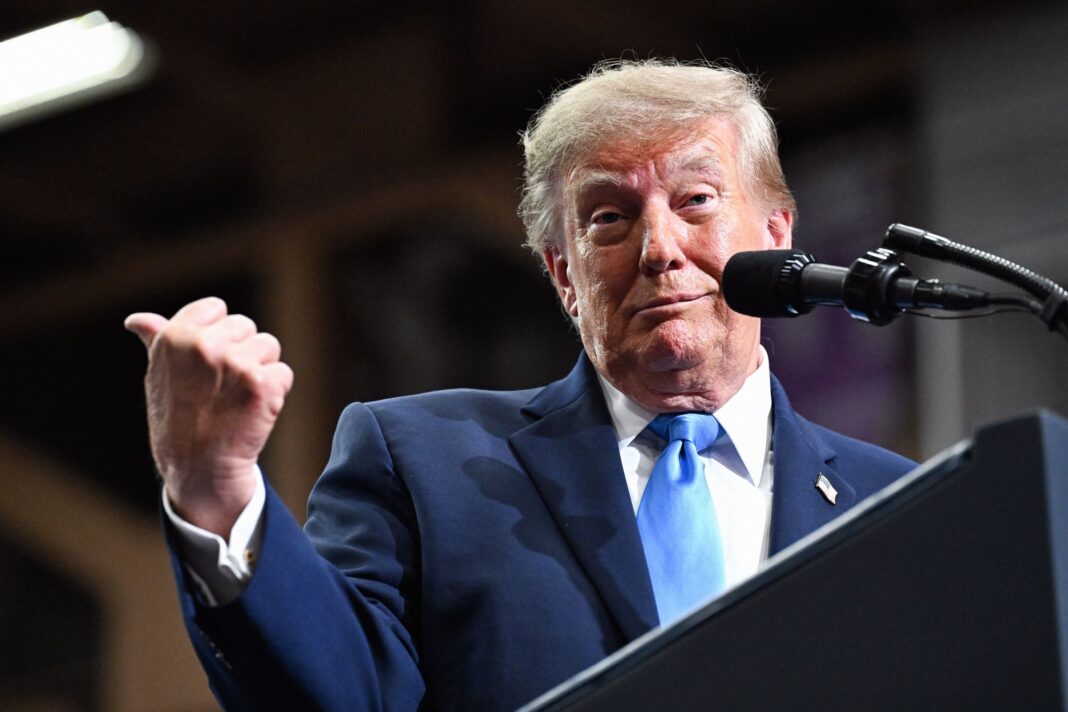
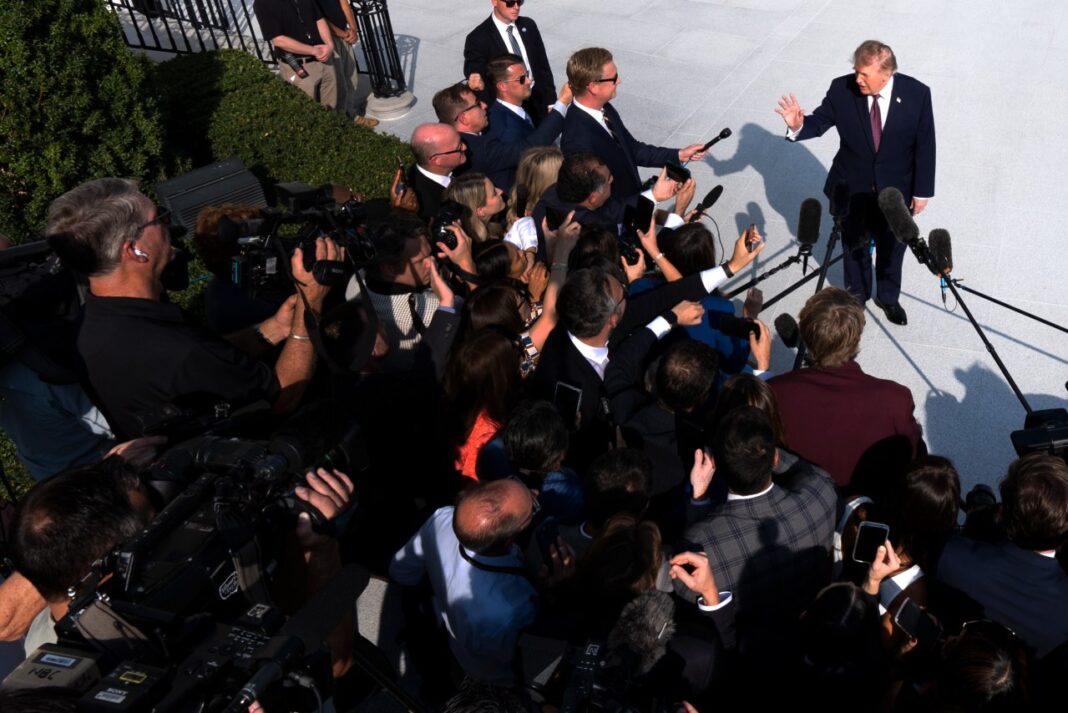
Trump’s involvement signals that the issue could become part of the broader political debate. His support may push Republican lawmakers to take a closer look at the bill. It also raises the stakes for banks that have lobbied heavily against similar proposals in the past.
The payment networks have spent millions on lobbying to block the legislation. They argue that government intervention could disrupt a system that works well for consumers. Critics of the bill say it could lead to unintended consequences for cardholders.
Consumer groups remain divided on the measure. Some support the bill as a way to lower prices at stores. Others worry that banks will offset lost revenue by cutting rewards or raising interest rates.
The bill’s path forward remains uncertain. It needs enough votes to clear committees and reach the floor. Even with Trump’s backing, passage is not guaranteed. The debate is likely to intensify as both sides ramp up their campaigns.