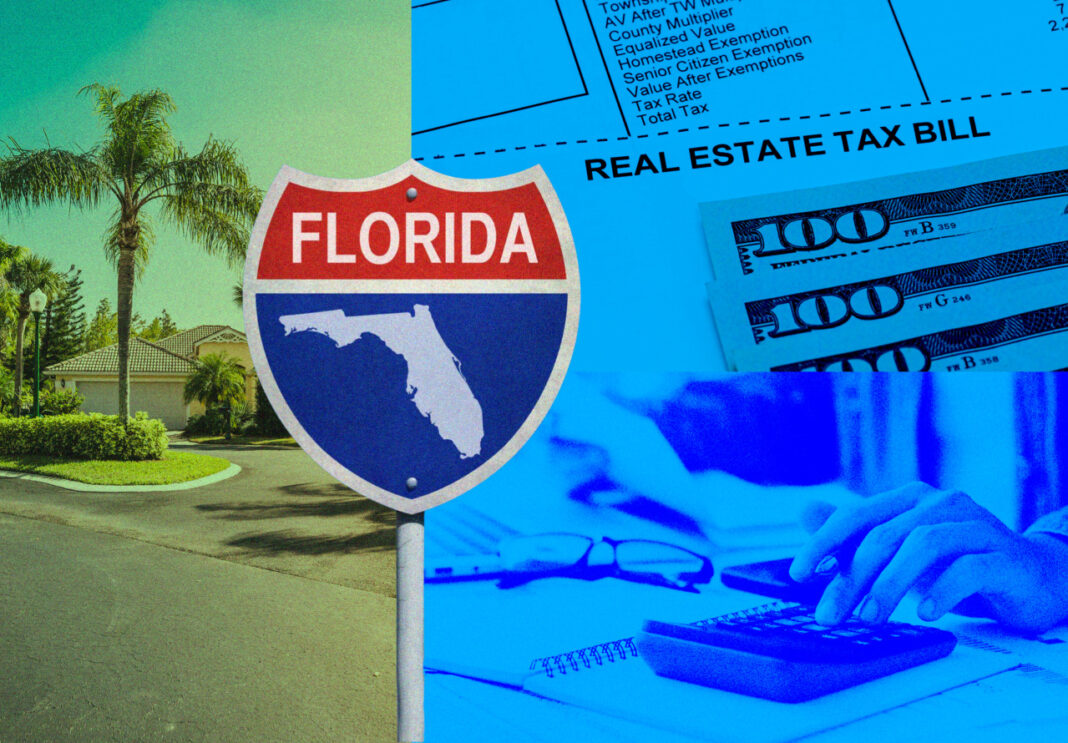
Florida voters are deciding on Amendment 3, a proposal to cut property taxes across the state. The measure could reshape how local governments fund essential services. Its outcome may influence tax debates in other states.
Amendment 3 would reduce the portion of property taxes that fund local services. Schools, police, and fire departments rely heavily on those revenues. A cut would force officials to find alternative funding or trim budgets.
Homeowners would see lower annual tax bills if the amendment passes. The relief would be most noticeable for long-term property owners. New buyers might benefit less due to rising assessments.
Renters would likely gain little from the measure. Landlords are not required to pass savings to tenants. In tight housing markets, rents could remain steady or even climb.
Local governments warn of significant revenue losses. Fewer dollars could mean fewer services or higher fees elsewhere. Some municipalities may postpone infrastructure projects.
Critics argue the plan shifts the tax burden to sales or income taxes. That change could hit lower-income residents harder. Supporters say it puts more money back into taxpayers’ pockets.
The vote comes amid rising housing costs and inflation concerns. Similar proposals are being watched in other states. If Amendment 3 passes, it could inspire copycat efforts nationwide.
Business groups are divided on the measure. Small landlords might benefit, but commercial property owners face uncertain impacts. The final economic effect depends on how local officials adapt.
Election results will determine whether Florida becomes a test case for deep property tax cuts. The decision could set a precedent for tax policy across the country. Observers say the outcome will resonate beyond state lines.