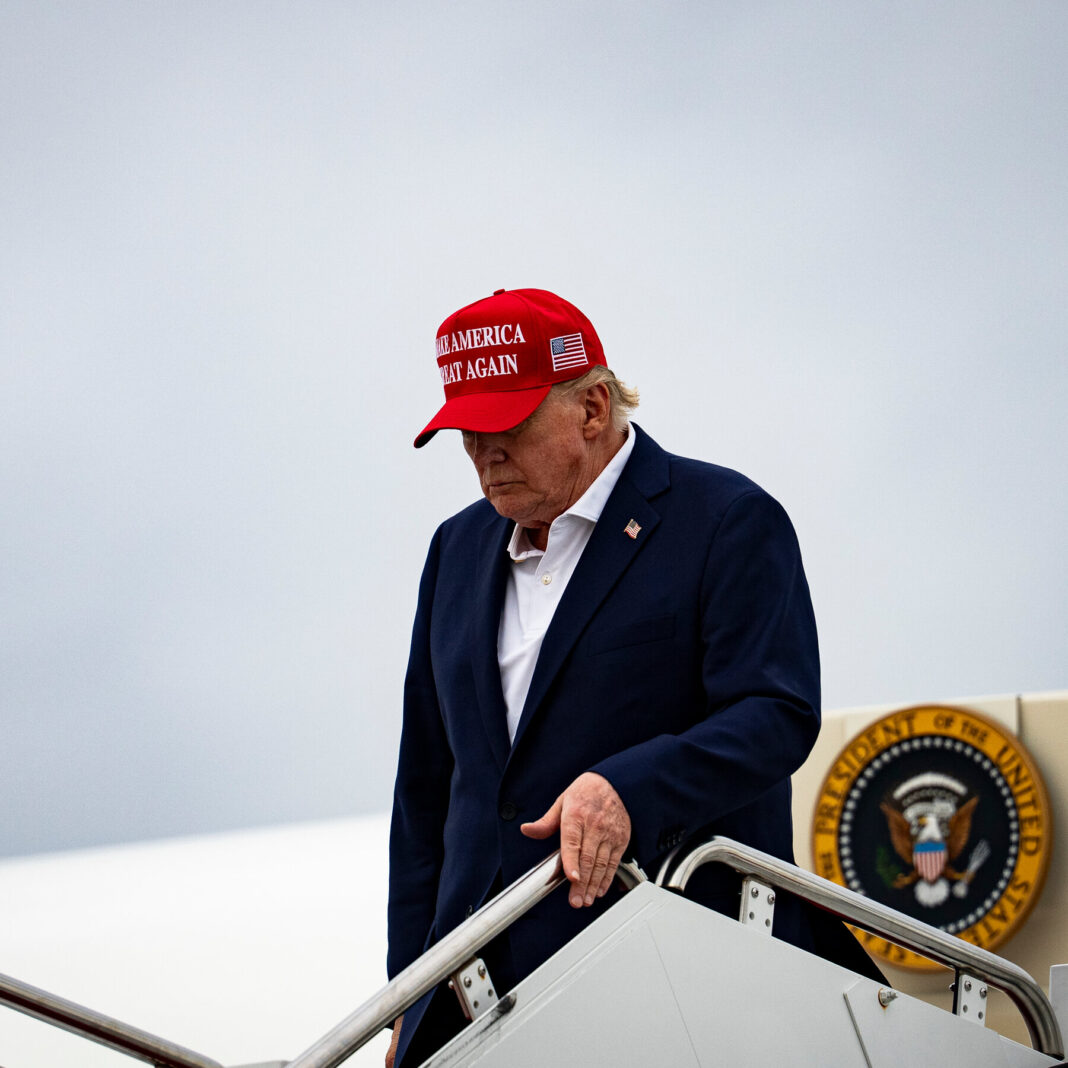
President Trump criticized Oman, a key U.S. ally and mediator in the negotiations, as efforts to end a conflict he initiated have stalled. The preliminary truce between the United States and Iran expired without a broader agreement, leaving both sides in a precarious position. The expiration marks a significant setback for diplomatic efforts that had shown early promise.
The president’s remarks targeted Oman’s role in facilitating the talks, suggesting frustration with the mediation process. Administration officials had hoped the initial framework would lead to a more permanent resolution, but key disagreements remained unresolved. Iran has reportedly insisted on guarantees that the United States has been unwilling to provide, particularly regarding sanctions relief and regional security commitments.
The collapsed truce reignites tensions in the region, raising concerns about a potential escalation. Military assets remain deployed, and both nations have signaled a willingness to continue defensive operations. Analysts note that the window for a negotiated settlement has narrowed considerably since the talks began earlier this year.
Oman’s government has not publicly responded to the president’s criticism, but its diplomats have emphasized the complexity of bridging the two nations’ demands. The mediation effort had been seen as a rare channel of communication between Washington and Tehran, which have not held direct bilateral talks in years. Regional observers warn that the failure of this preliminary deal could push Iran toward more aggressive nuclear activities.
The expiration also puts pressure on domestic politics, with critics accusing the administration of mismanaging the diplomatic process. Supporters argue that the initial truce provided a necessary pause in hostilities, even if it fell short of a lasting peace. The White House has not announced a clear next step, leaving allies and adversaries uncertain about the path forward.
Iranian officials have stated they remain open to resumed talks but will not accept new conditions. They point to the expired deal as evidence of American unreliability in honoring negotiated terms. Meanwhile, international stakeholders, including European and Gulf nations, are urging both sides to return to the table as soon as possible.
The situation remains fluid, with no immediate signs of a renewed diplomatic push. For now, the focus shifts to preventing accidental clashes in the region, where naval and air operations continue. The expired truce has left a diplomatic vacuum that neither side has shown urgency to fill.