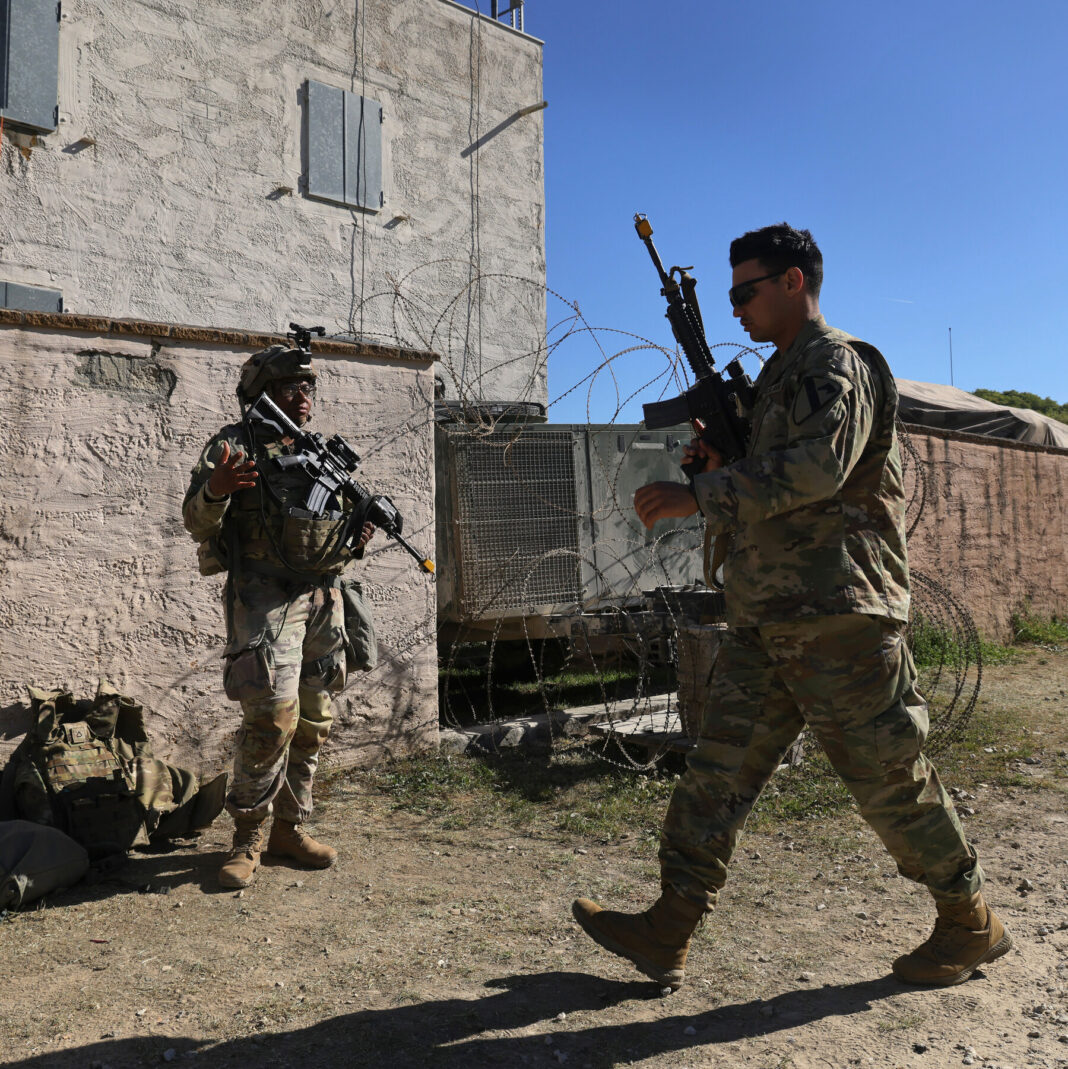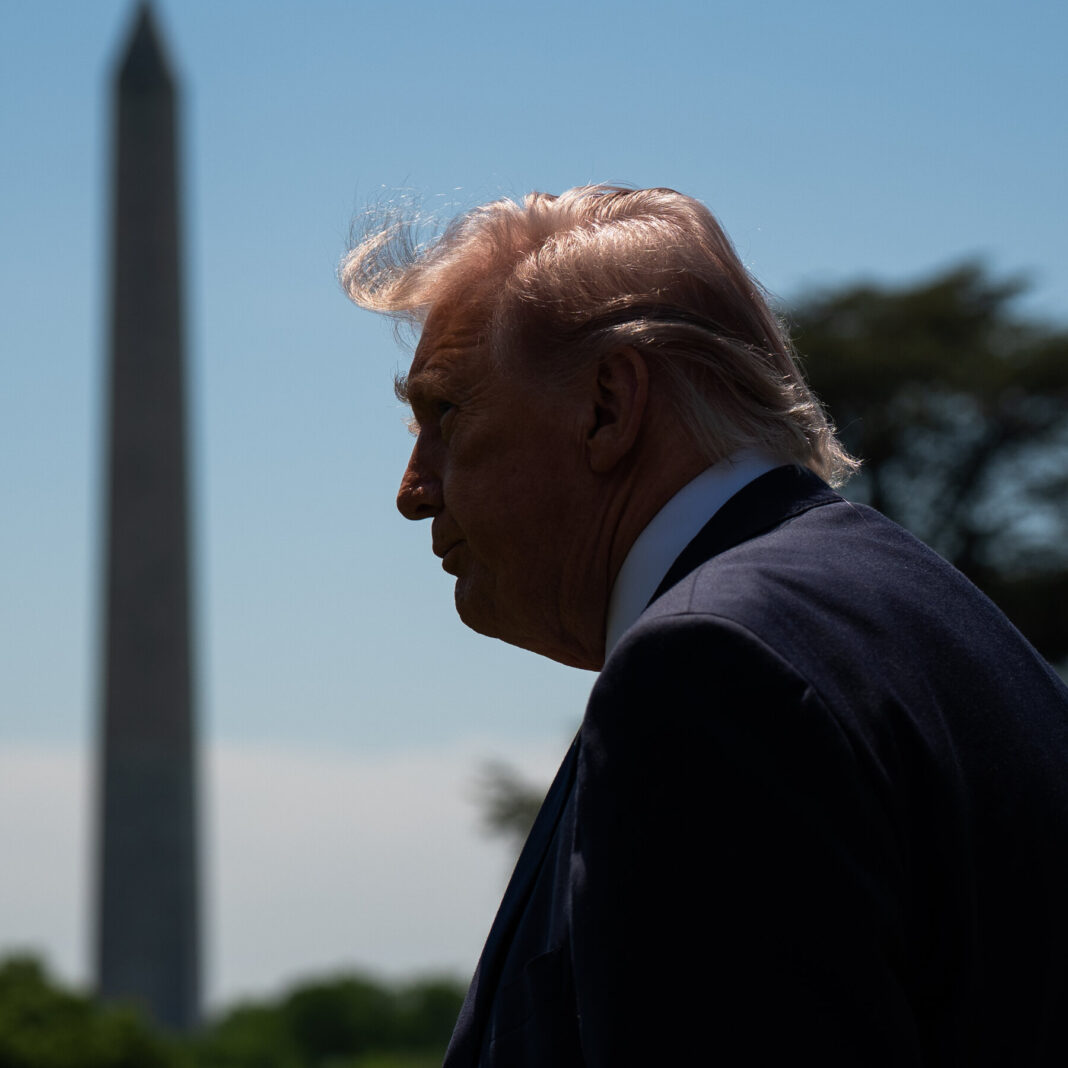
President Trump informed congressional leaders that the current hostilities with Iran have “terminated,” according to letters sent to the House and Senate. The move appears designed to avoid seeking formal congressional approval for military action. The letters argue that the president does not require new authorization from lawmakers under the War Powers Resolution.
The administration contends that the cessation of active combat operations ends any legal requirement to obtain consent from Congress. This interpretation draws on a technical reading of the 1973 law, which mandates presidential consultation before engaging in prolonged hostilities. Critics argue that ongoing strikes and troop deployments contradict the claim of termination.
Lawmakers from both parties expressed skepticism about the administration’s legal reasoning. Several members noted that the military campaign against Iran continues in other forms, including cyber operations and sanctions. The letters did not provide a detailed timeline or criteria for what constitutes ended hostilities.
Constitutional scholars remain divided on the president’s argument. Previous administrations have used similar language to sidestep congressional oversight, but rarely with such explicit framing. The dispute highlights ongoing tension between executive war powers and legislative authority.
The announcement comes amid renewed debate over the scope of presidential military authority. Congress has not formally declared war since World War II, yet presidents have initiated numerous military campaigns abroad. The Iran situation represents the latest test of that constitutional boundary.
Opponents of the administration warn that the precedent could weaken congressional checks on future conflicts. Supporters argue the president retains constitutional authority as commander in chief to protect national security. The legal challenge will likely face scrutiny in federal courts if challenged.
The letters did not specify whether remaining U.S. forces in the region would be considered part of a terminated conflict. Military officials have not confirmed a change in operational posture. The situation remains fluid as both branches navigate the legal and political implications.