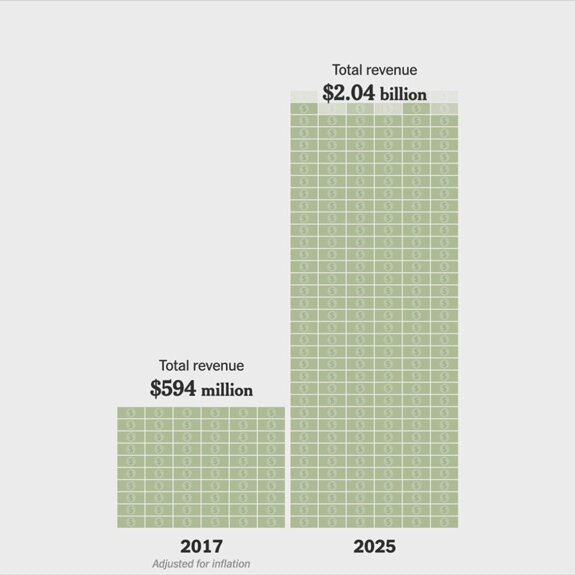
President Donald Trump earned $2.2 billion last year while in office, a staggering sum that has sparked debate about presidential ethics. The windfall came from his business empire, including hotels, golf courses, and licensing deals.
Democrats view this income as a potential campaign issue for the upcoming midterm elections. They argue the president’s financial gains raise questions about conflicts of interest and public trust.
Trump has not divested from his businesses, unlike recent predecessors. His company continues to accept payments from foreign governments, a practice critics say violates the Emoluments Clause.
The president maintains he is not required to separate from his holdings. Legal challenges against his business dealings have largely stalled in court.
Republican lawmakers have largely avoided commenting on the president’s personal earnings. Some worry the issue could energize Democratic voters and alienate moderate supporters.
Polls show mixed public reaction, with many voters more focused on economic stability than ethical concerns. The issue may gain traction if investigations uncover new evidence.
Trump’s wealth during office represents an unprecedented financial footprint for a sitting president. The long-term political impact remains uncertain as both parties prepare for election battles.